Crawl Space Encapsulation Done Right in Pensacola
Most homeowners never think about what's going on under their house. Out of sight, out of mind. But a neglected crawl space doesn't stay quiet forever - over time, all that damp air, debris, and exposed soil starts working against the home from the bottom up. Musty smells seeping into the living space, wood floors feeling soft, energy bills creeping higher. That's what an unprotected crawl space does.
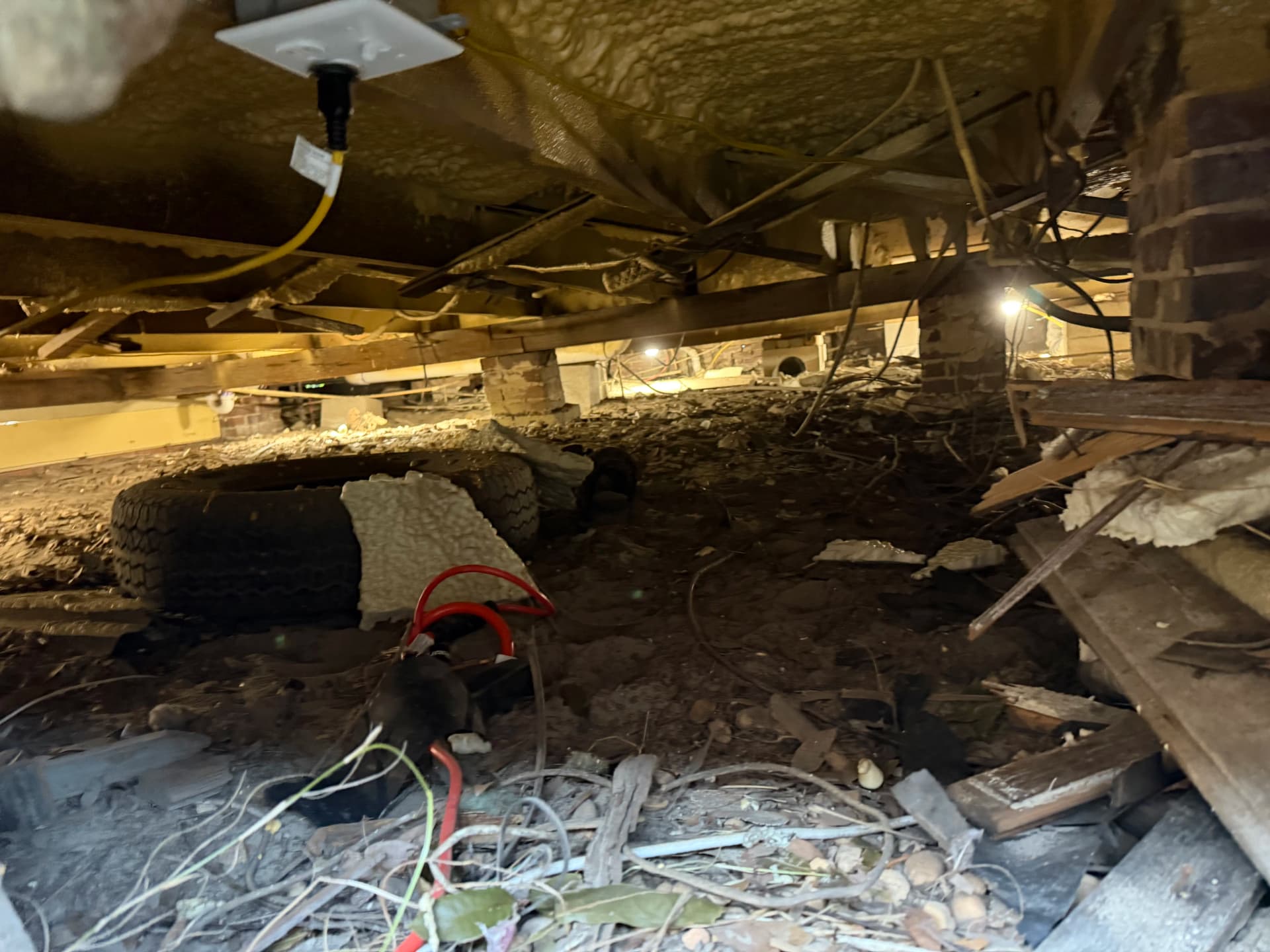
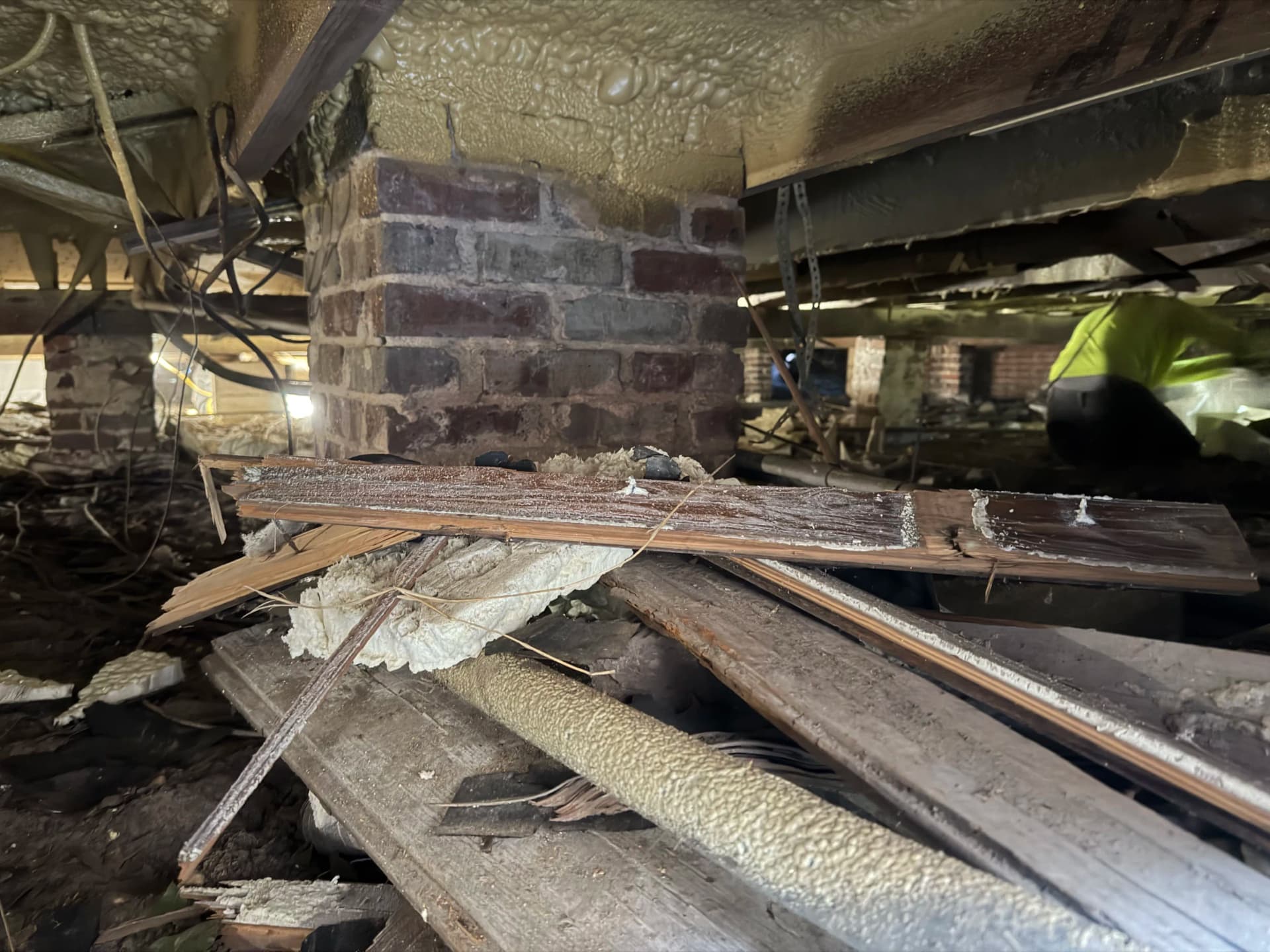
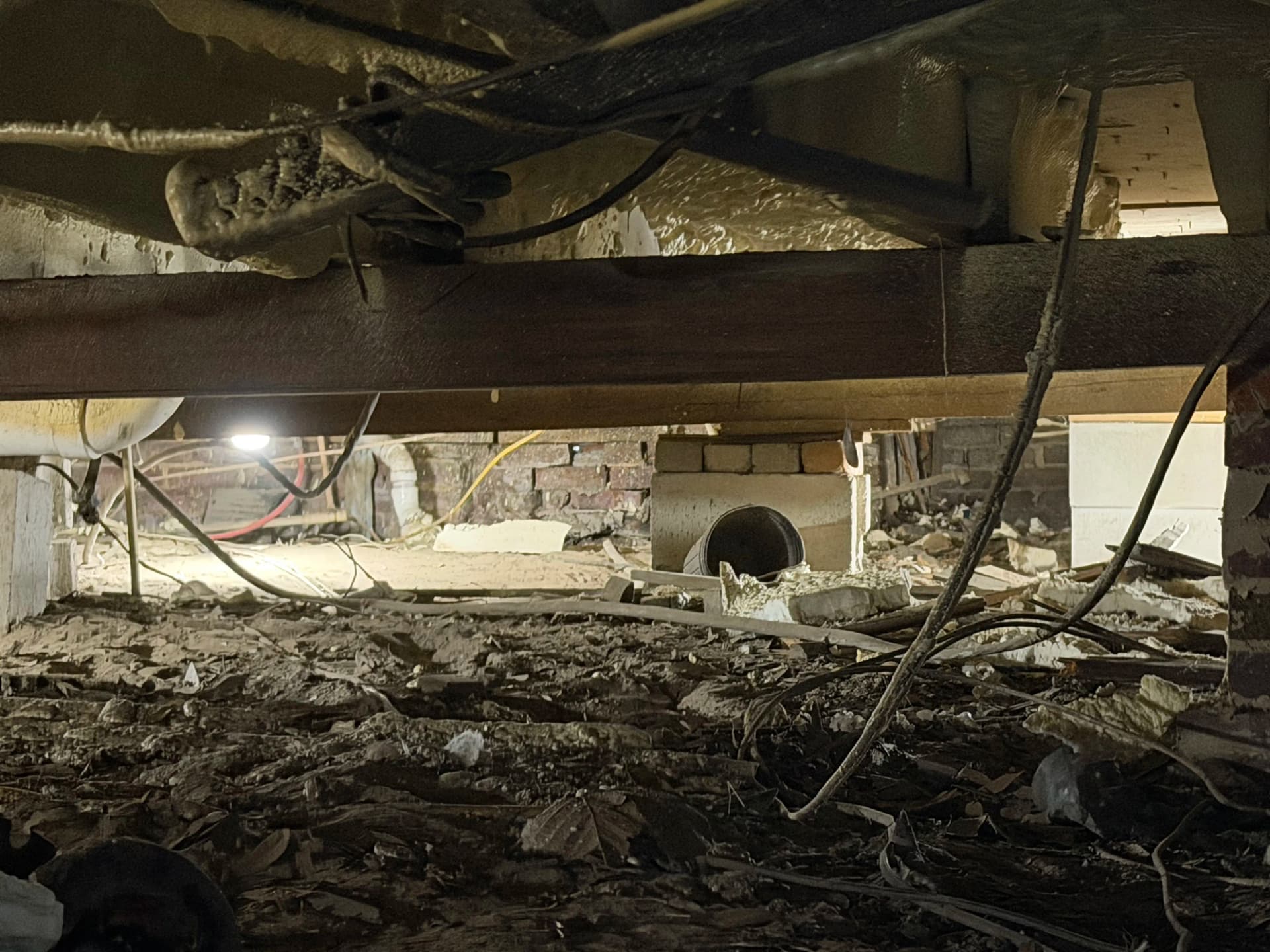
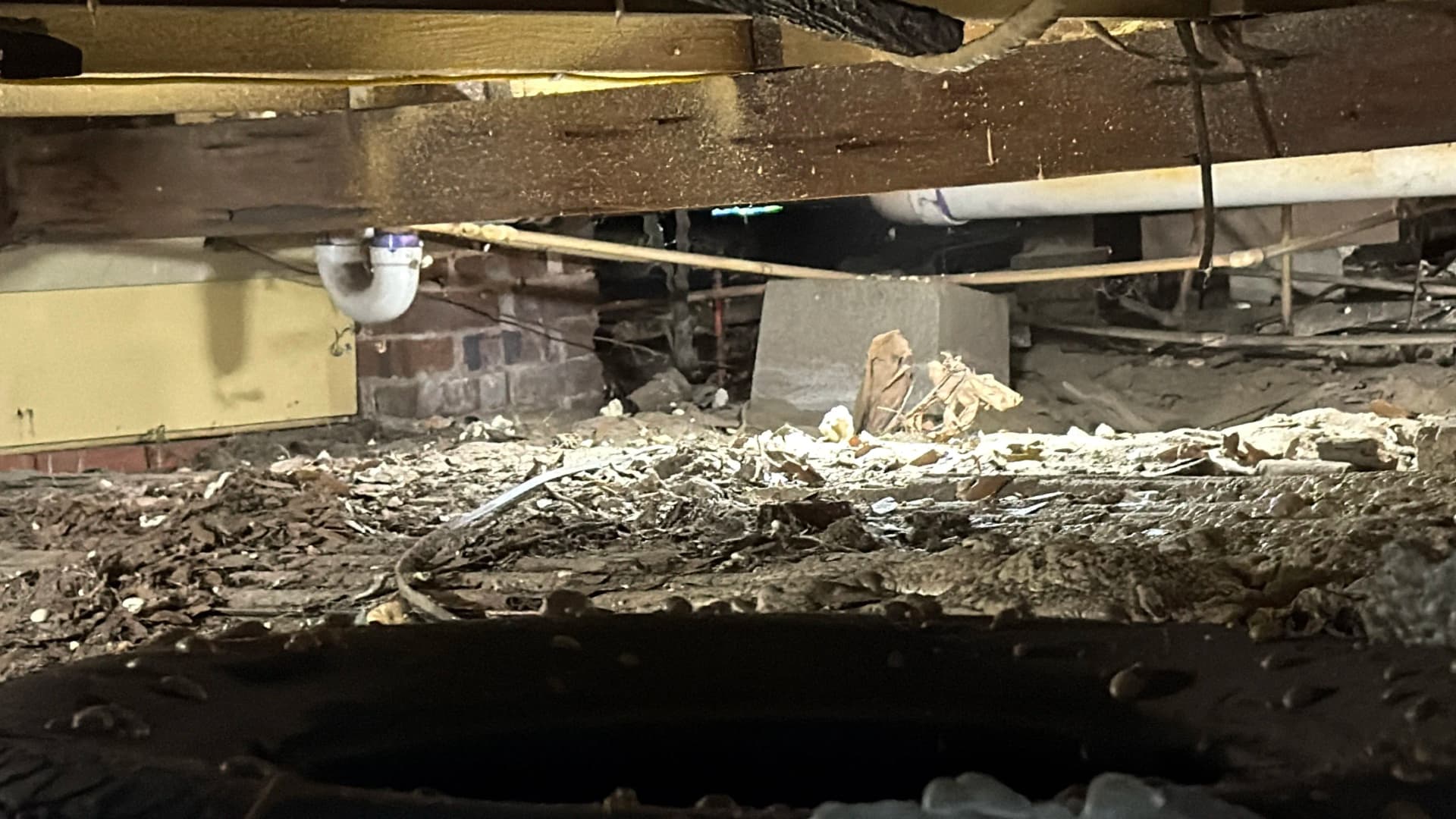
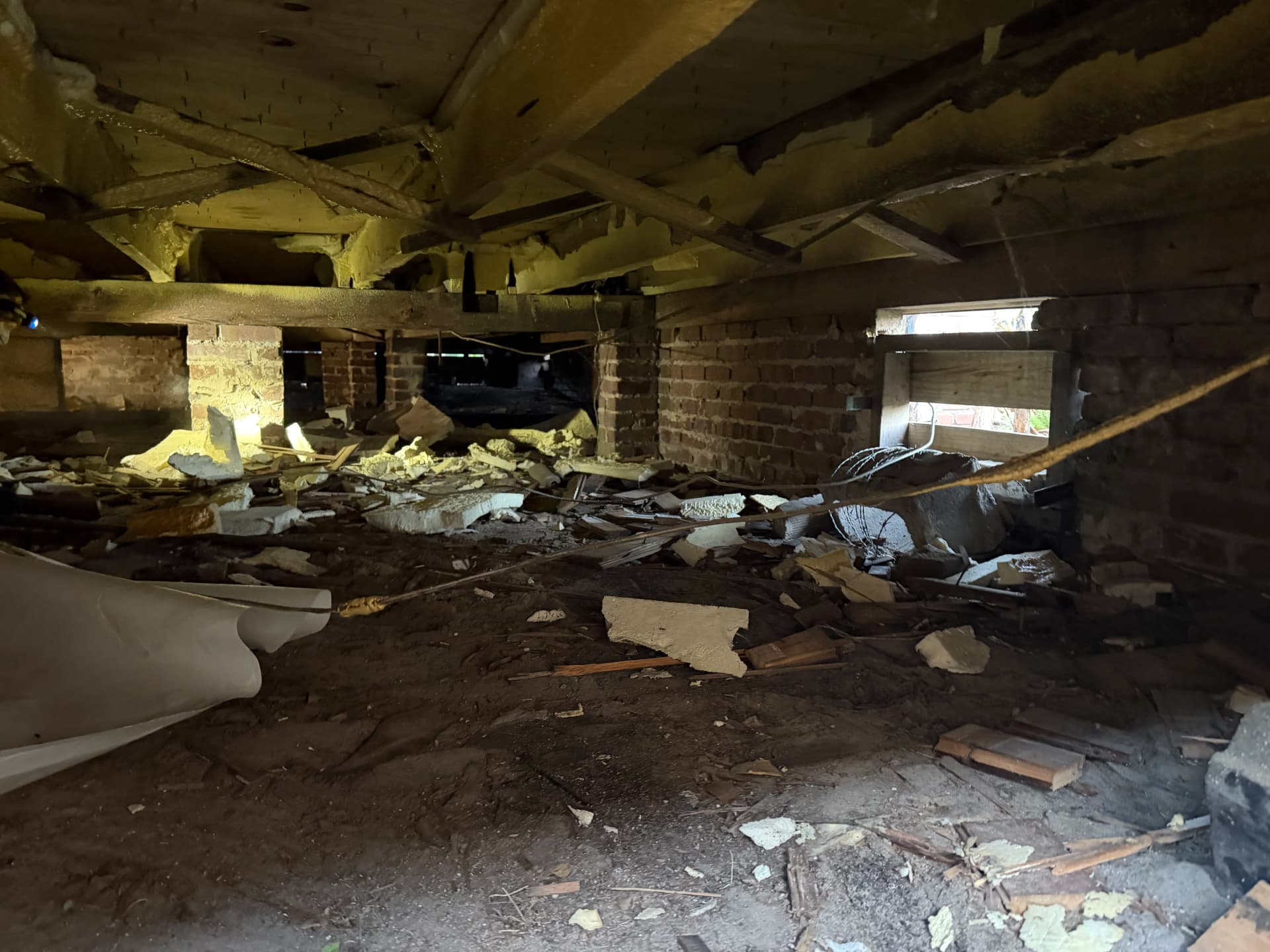
Here's what we were working with on this Pensacola job before we got started - a crawl space packed with years of accumulated debris, rotting wood scraps, exposed dirt, and absolutely no moisture protection. The kind of space where humidity just hangs in the air and does damage day after day. It had to be cleared out and cleaned up before anything else could happen.
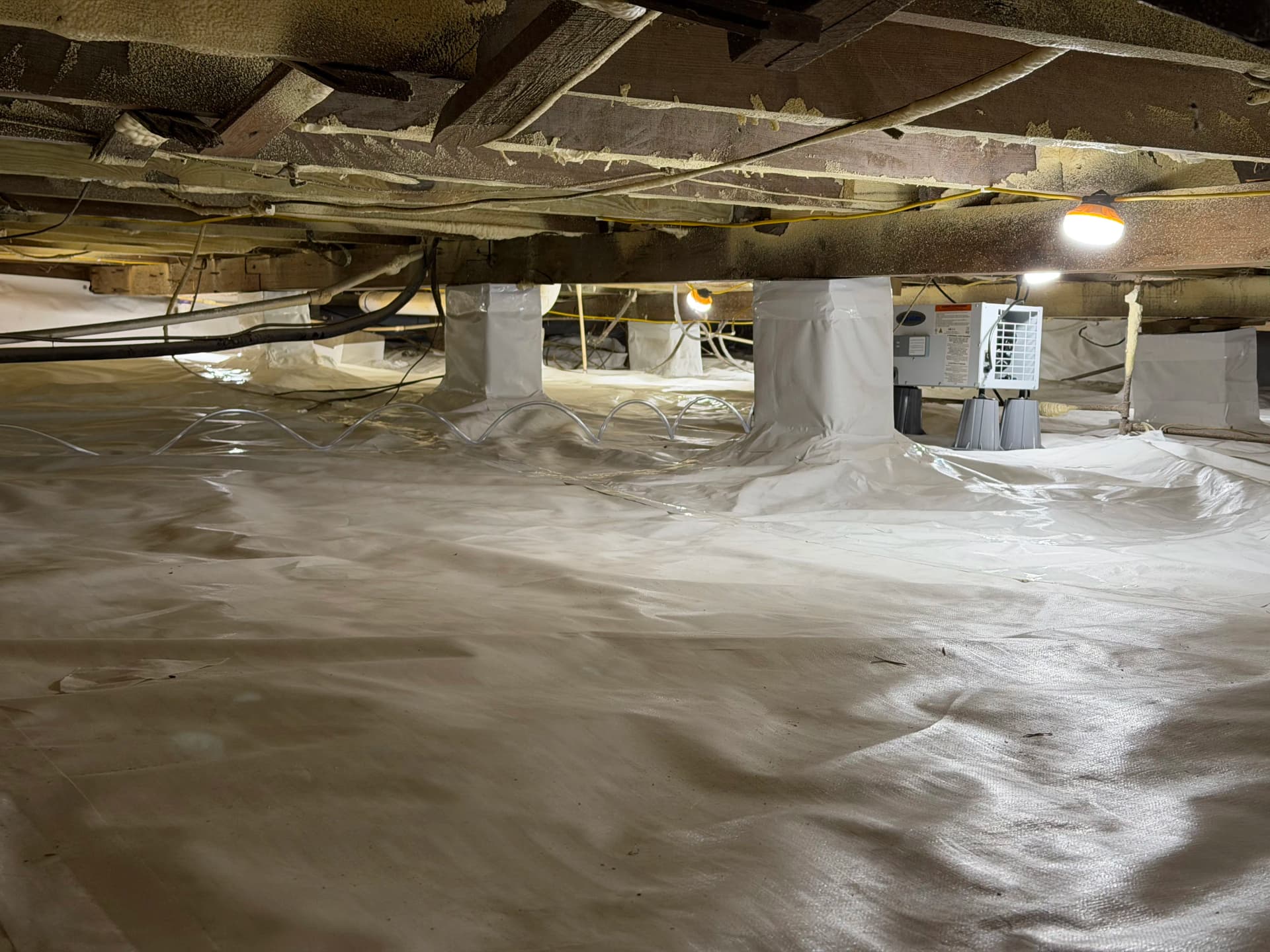
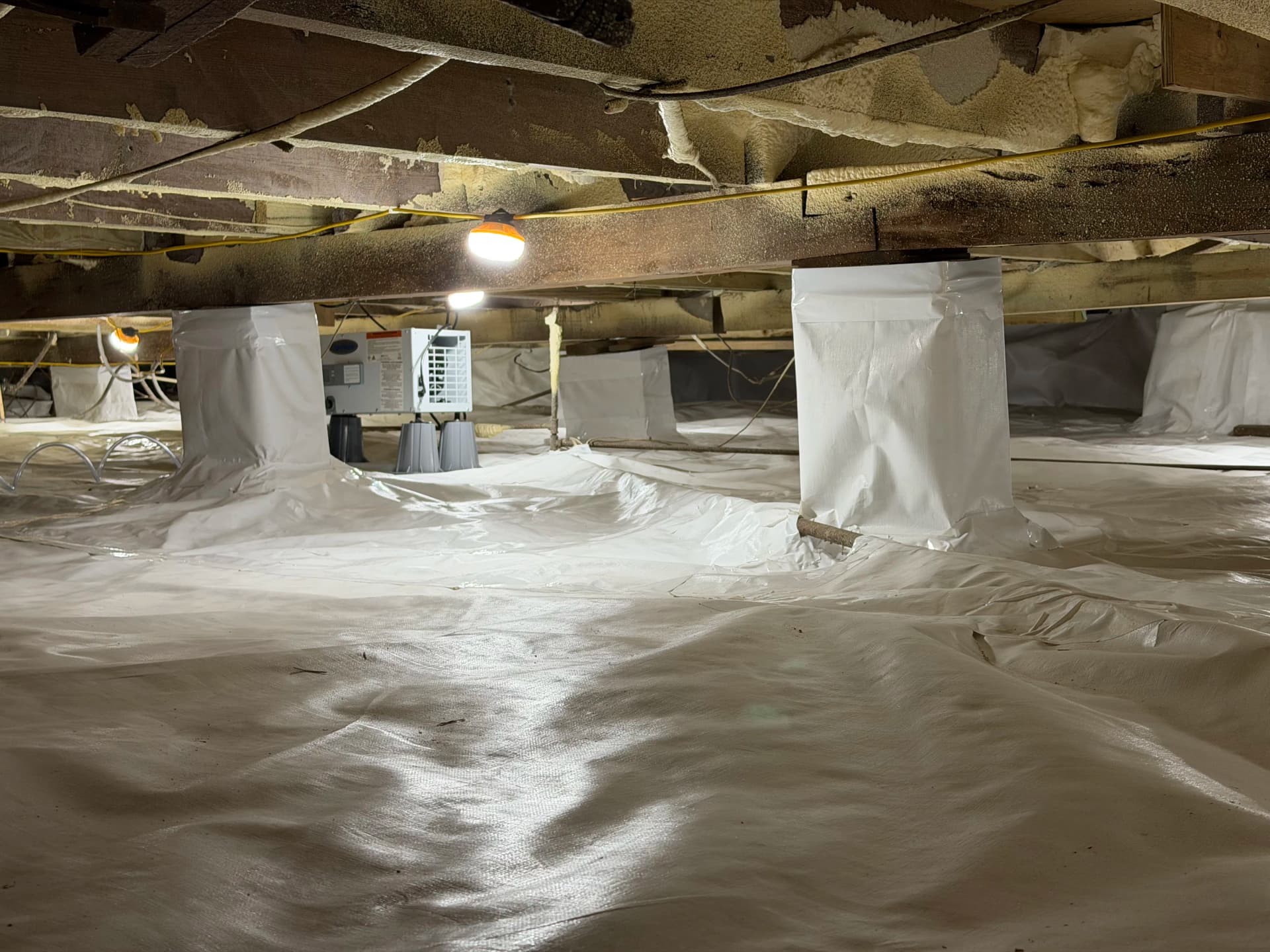
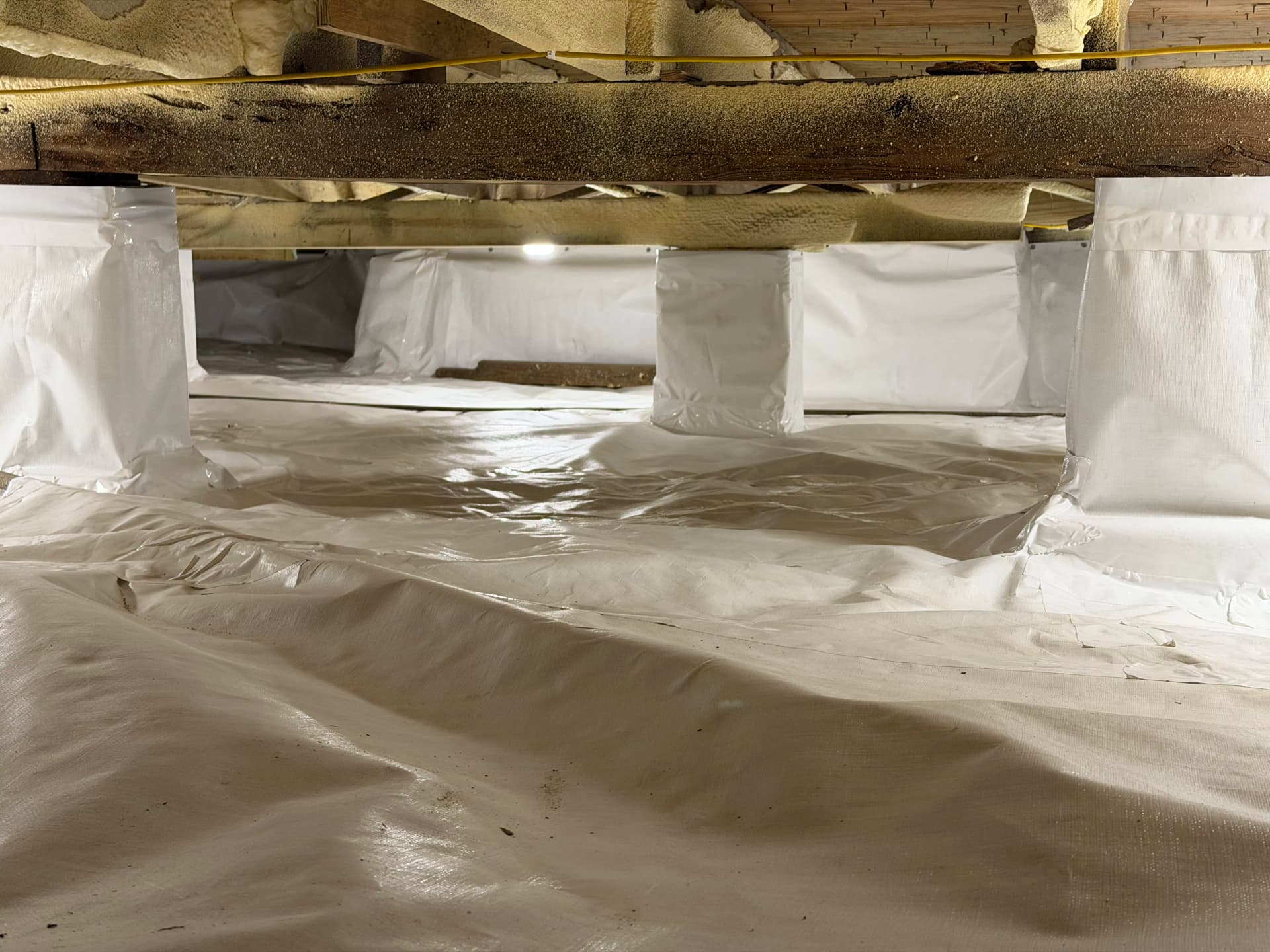
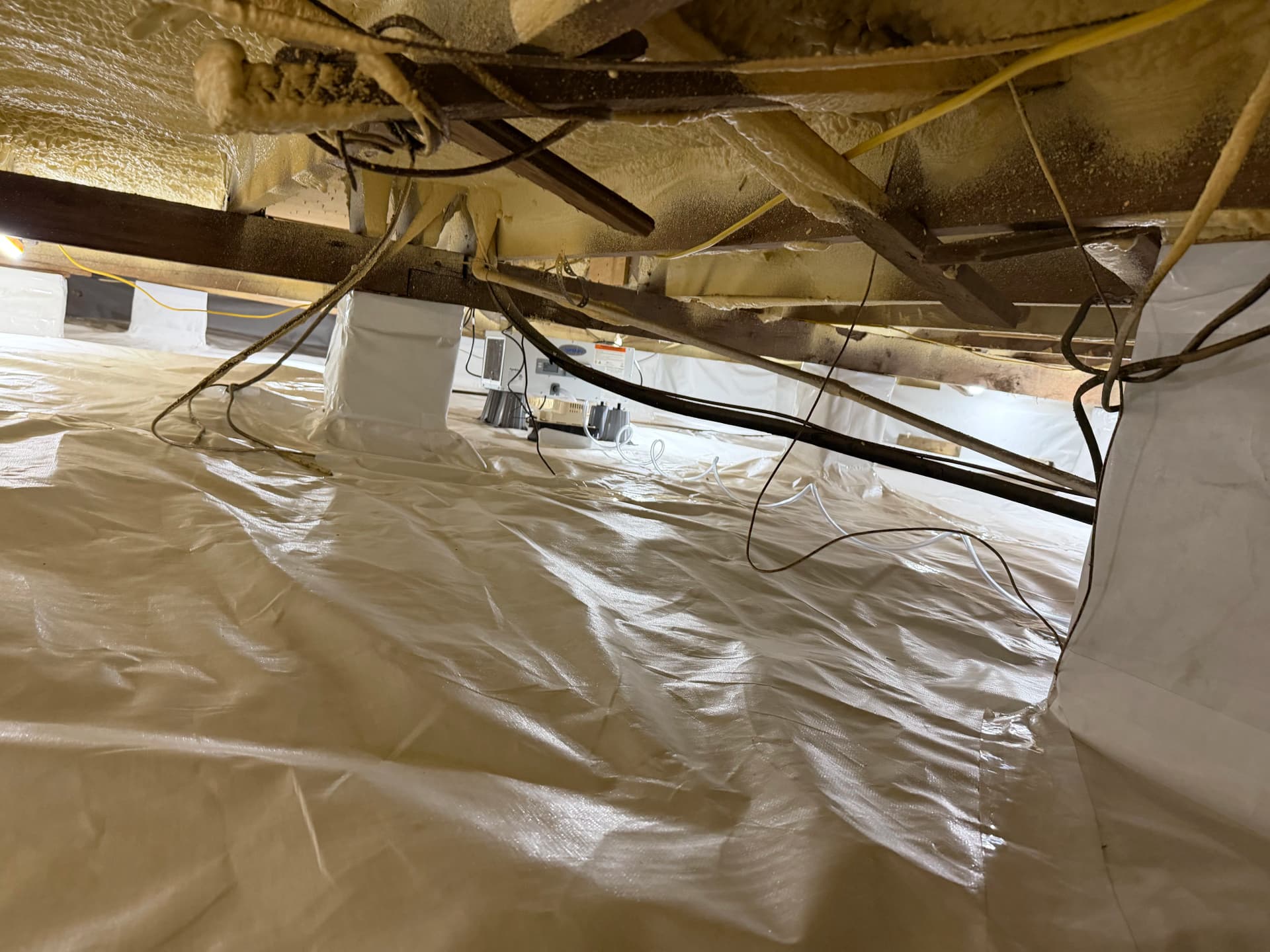
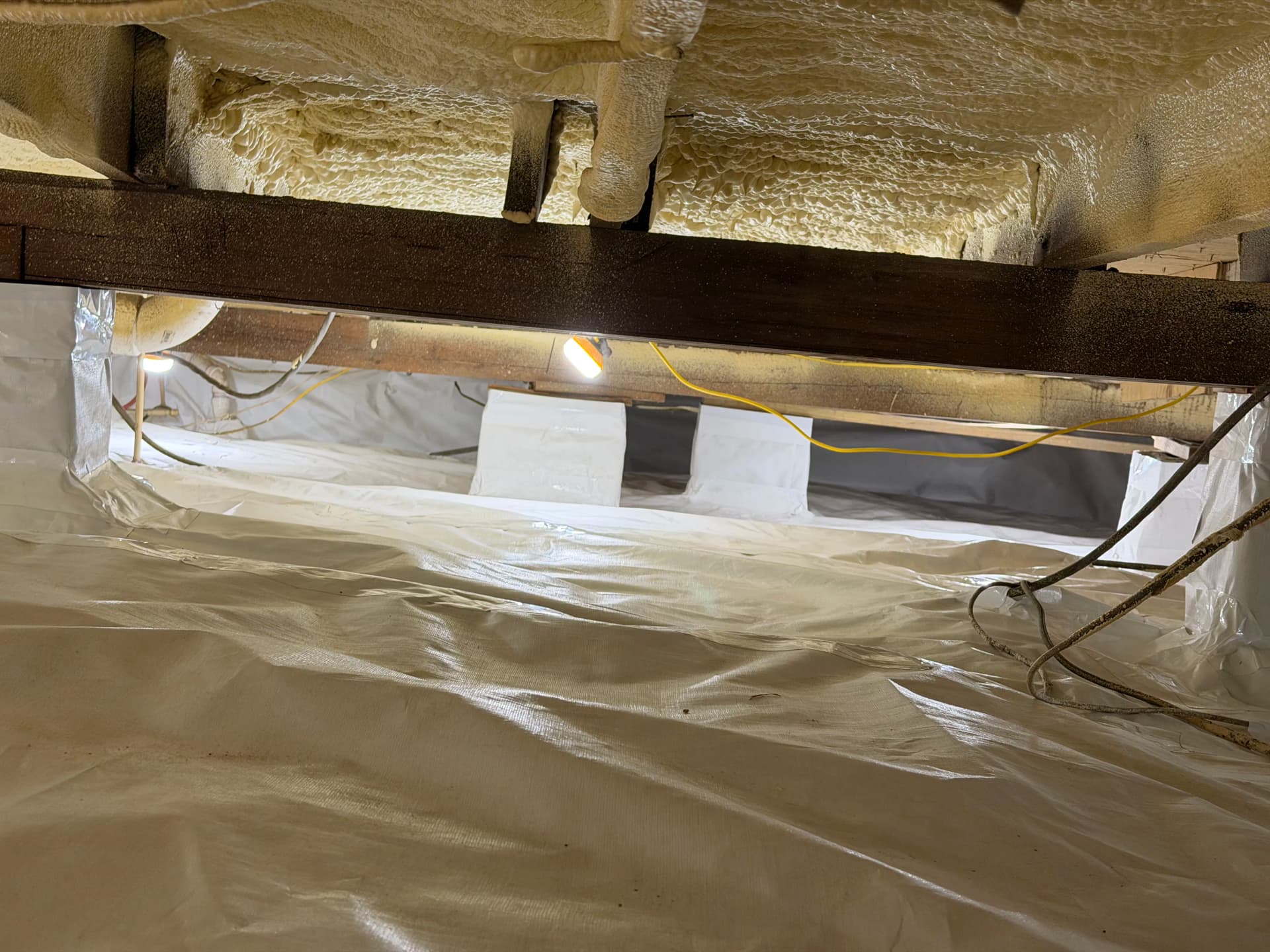
Once the space was prepped, we got to work on the encapsulation. A heavy-duty vapor barrier went down across the entire floor and up the walls, sealing off the ground moisture at the source. Every pier column got wrapped as part of the install too - no gaps, no shortcuts. That's how you actually stop moisture from getting into the air under the house.
To keep humidity levels controlled long-term, we also installed a crawl space dehumidifier. The liner alone does a lot of work, but pairing it with a dehumidifier is what keeps the space truly dry year-round - especially in a climate like the Gulf Coast where humidity doesn't take a season off. The combination of vapor barrier installation and active dehumidification is the standard we hold ourselves to on every job.
The difference between the before and after on this one is hard to overstate. What used to be a dark, debris-filled mess is now a clean, sealed, and protected space. That's what good crawl space encapsulation looks like when it's done the right way.