Crawl Space Encapsulation Done Right in Crestview
Most homeowners never think about what's going on under their house. Out of sight, out of mind. But a damp, unprotected crawl space is one of the sneakiest ways moisture finds its way into a home - rotting wood, feeding mold, and quietly driving up energy costs over time.
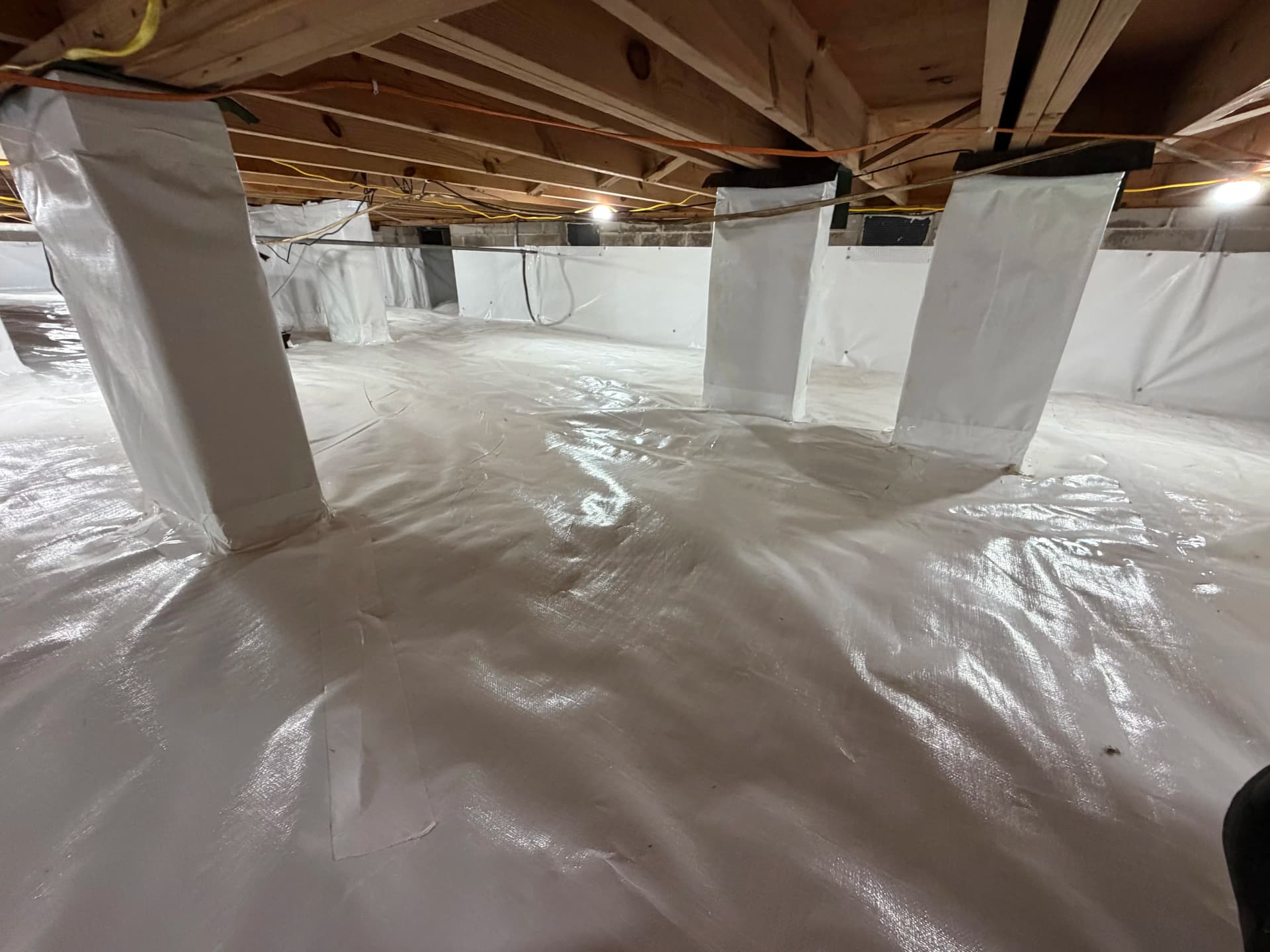
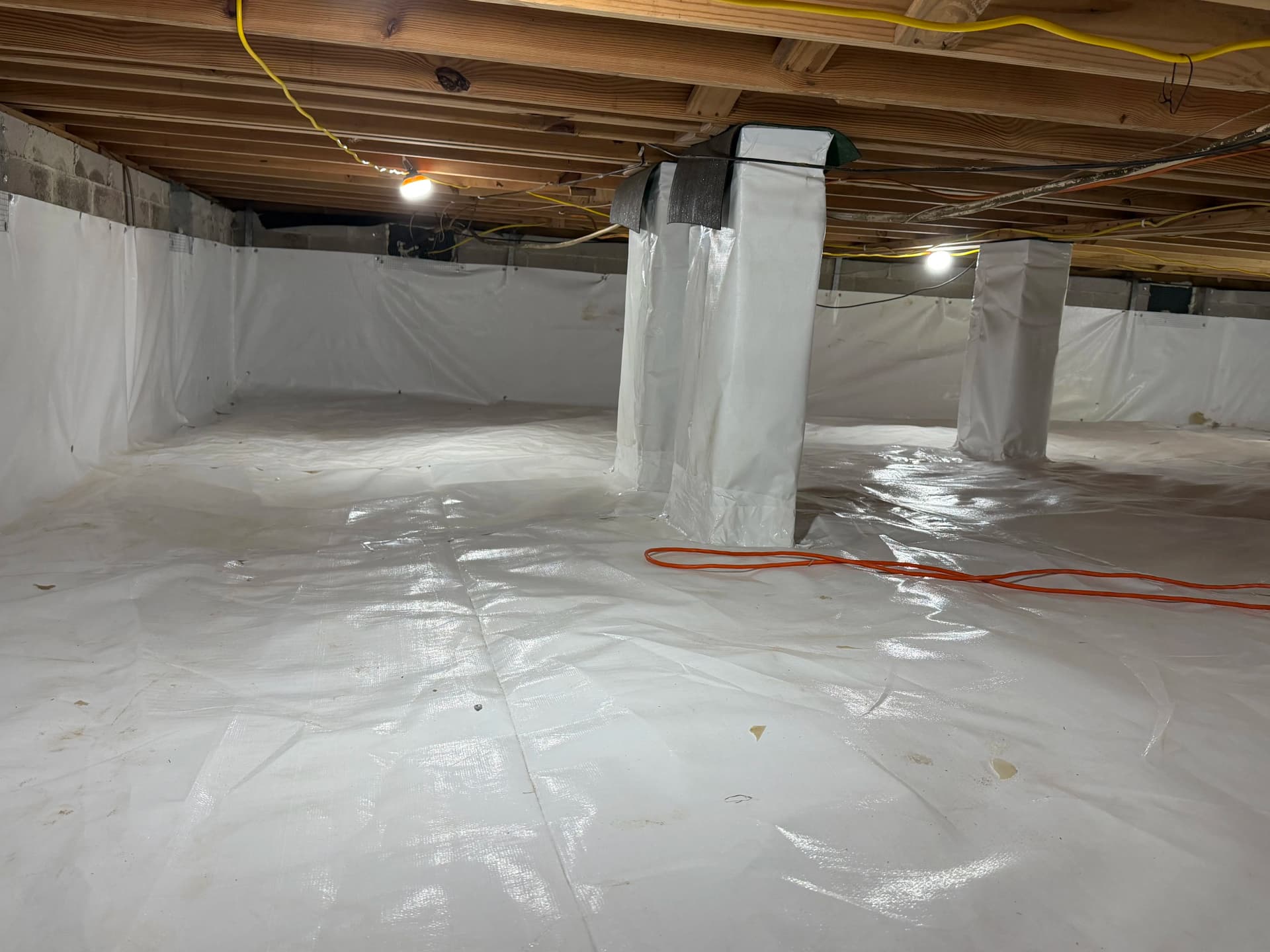
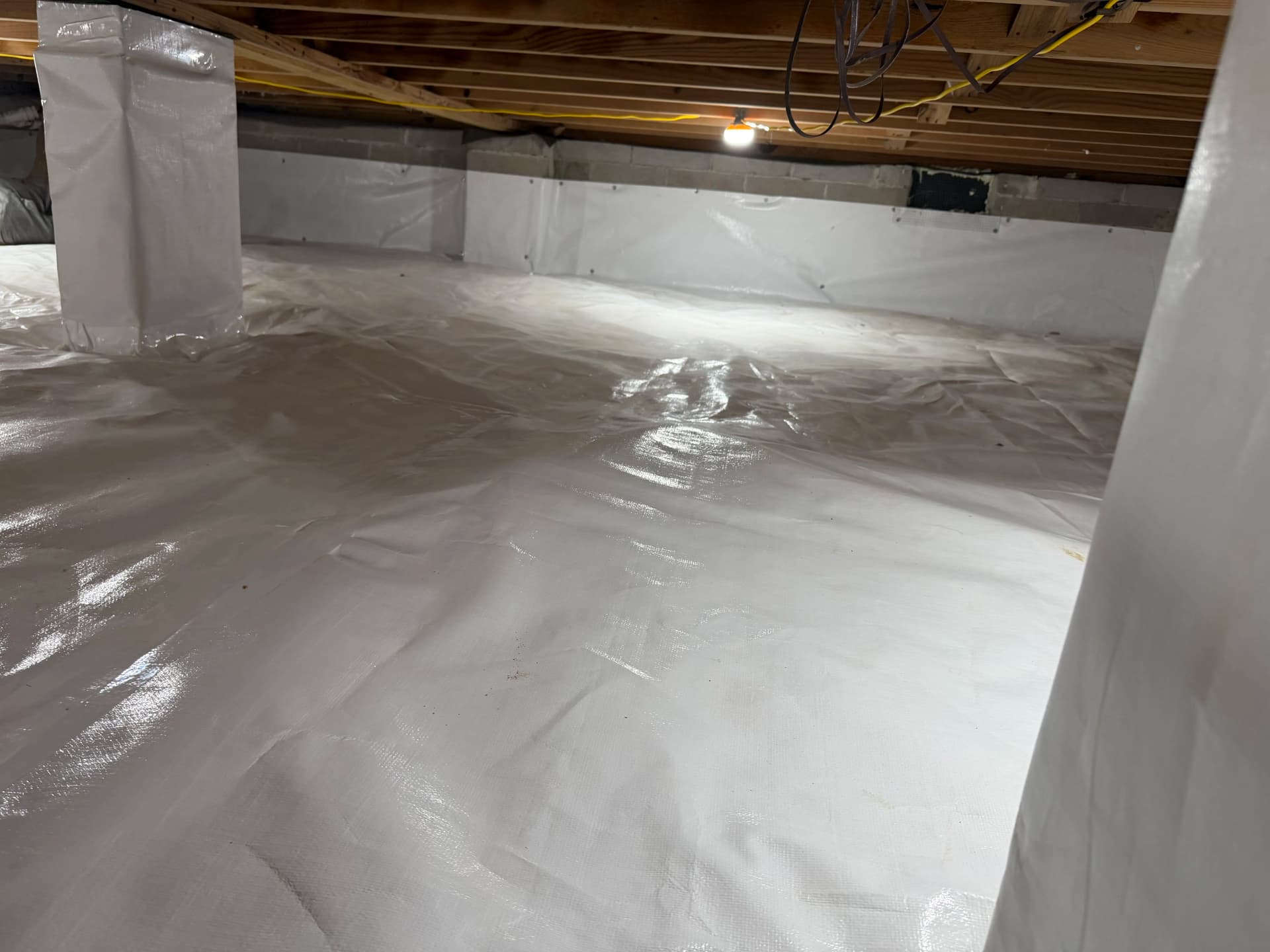
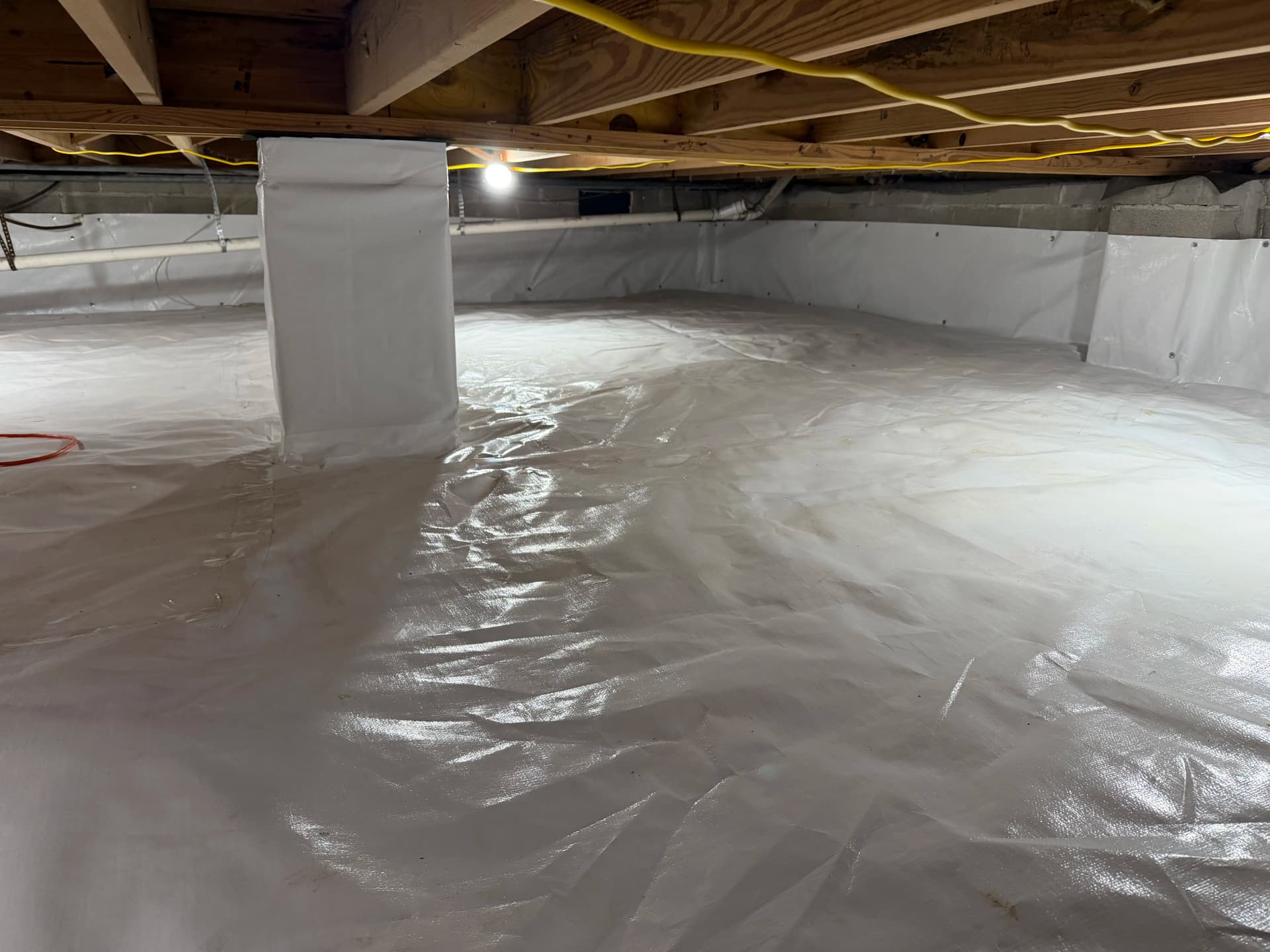
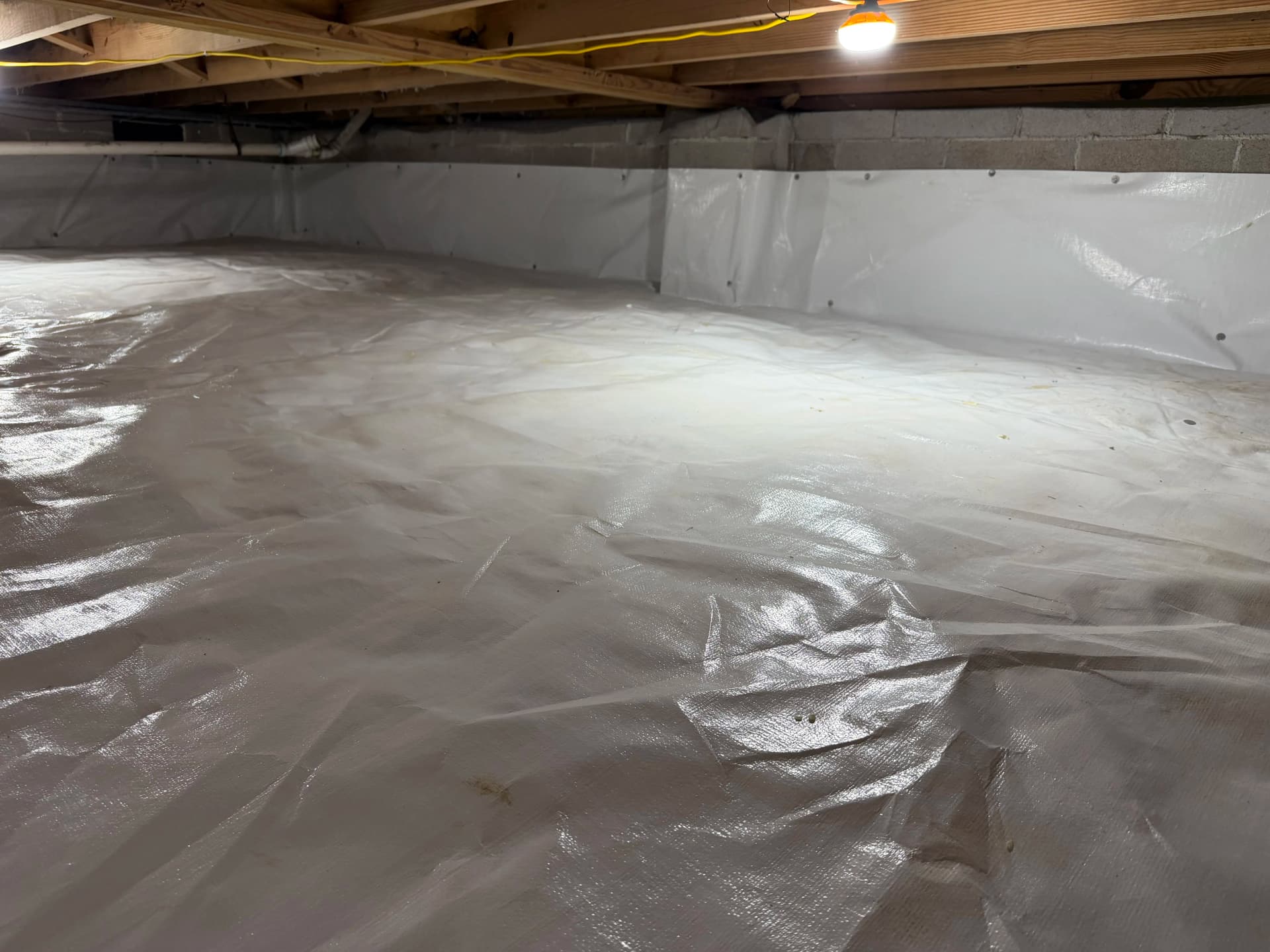
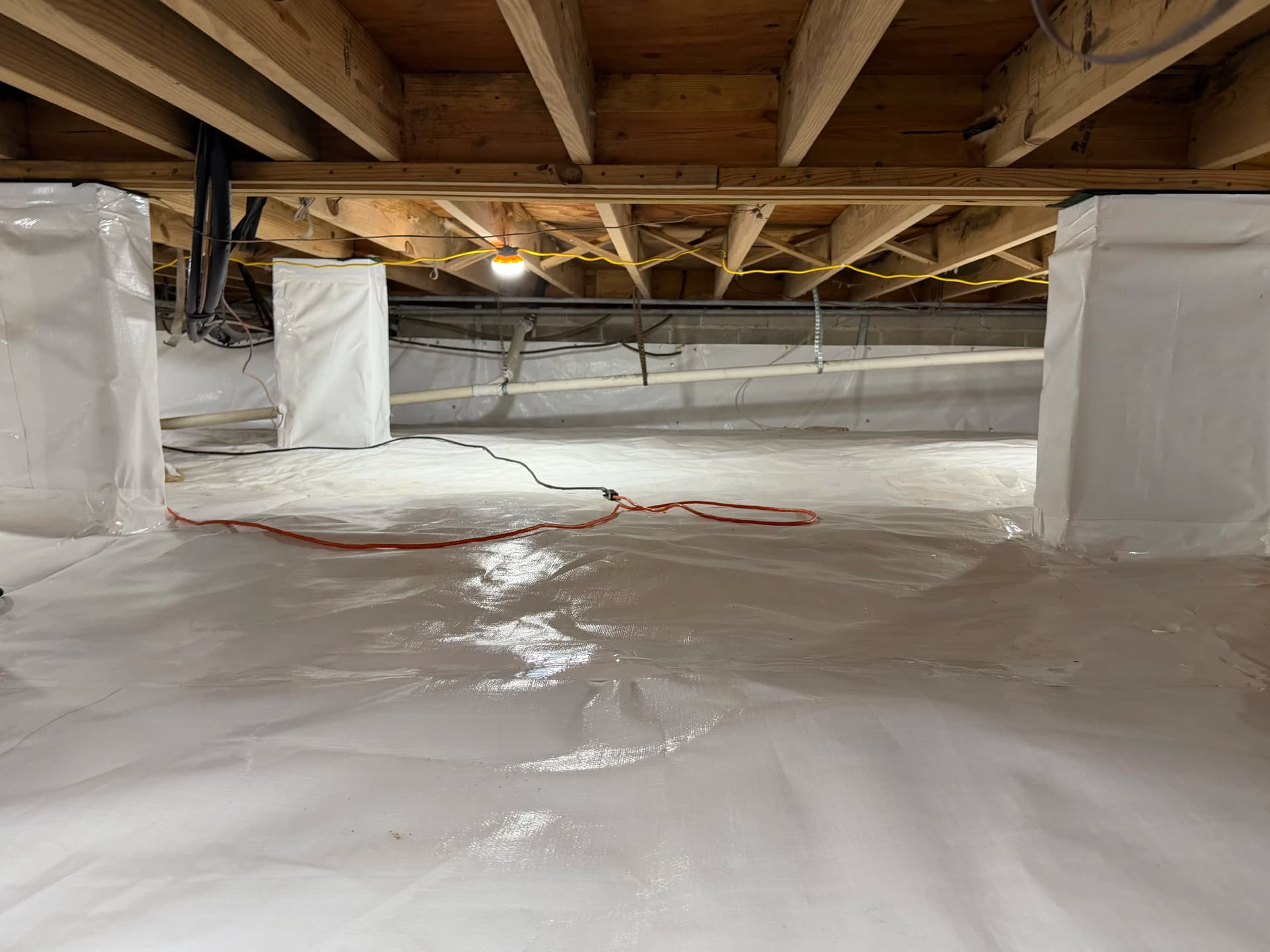
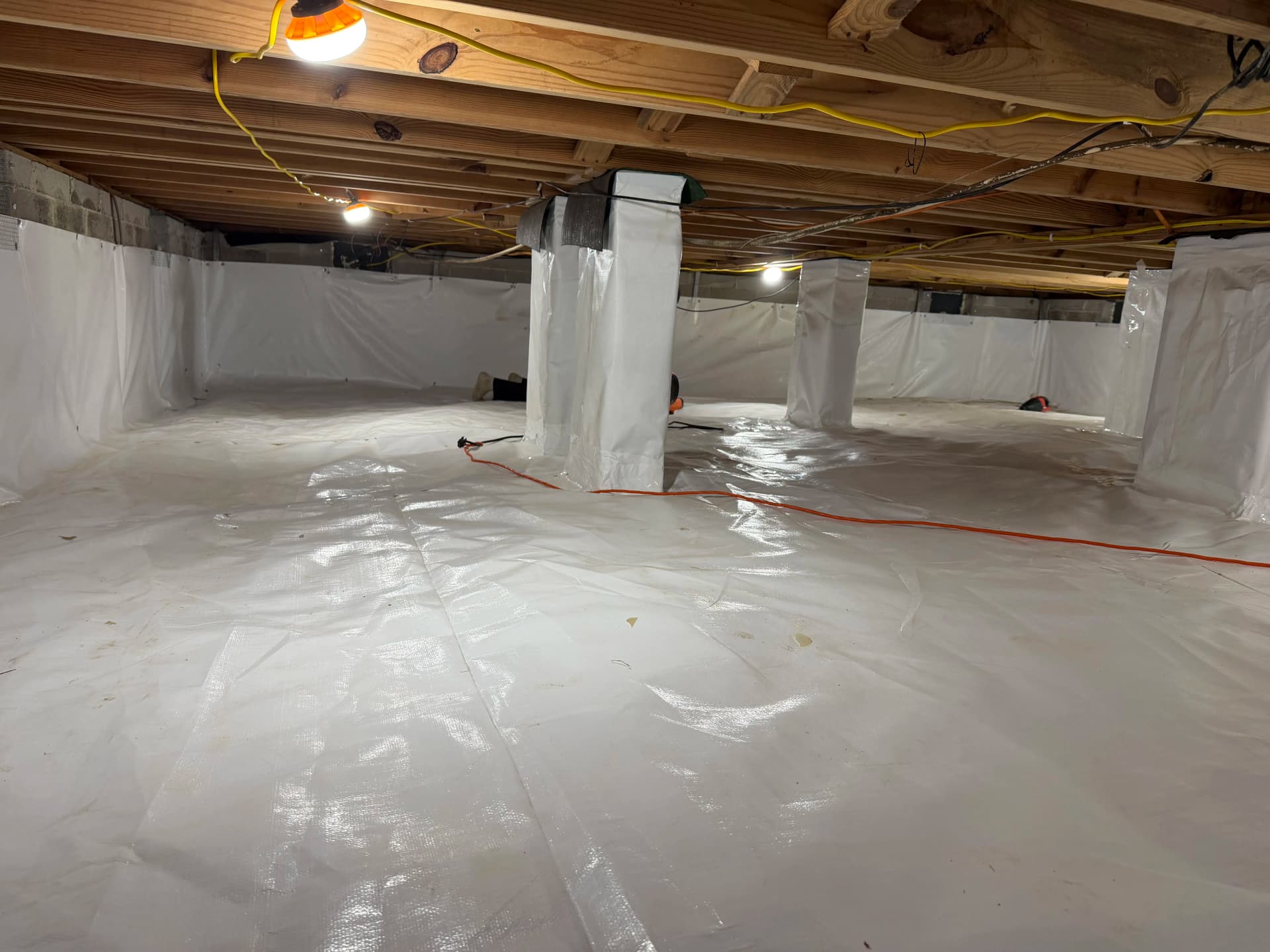
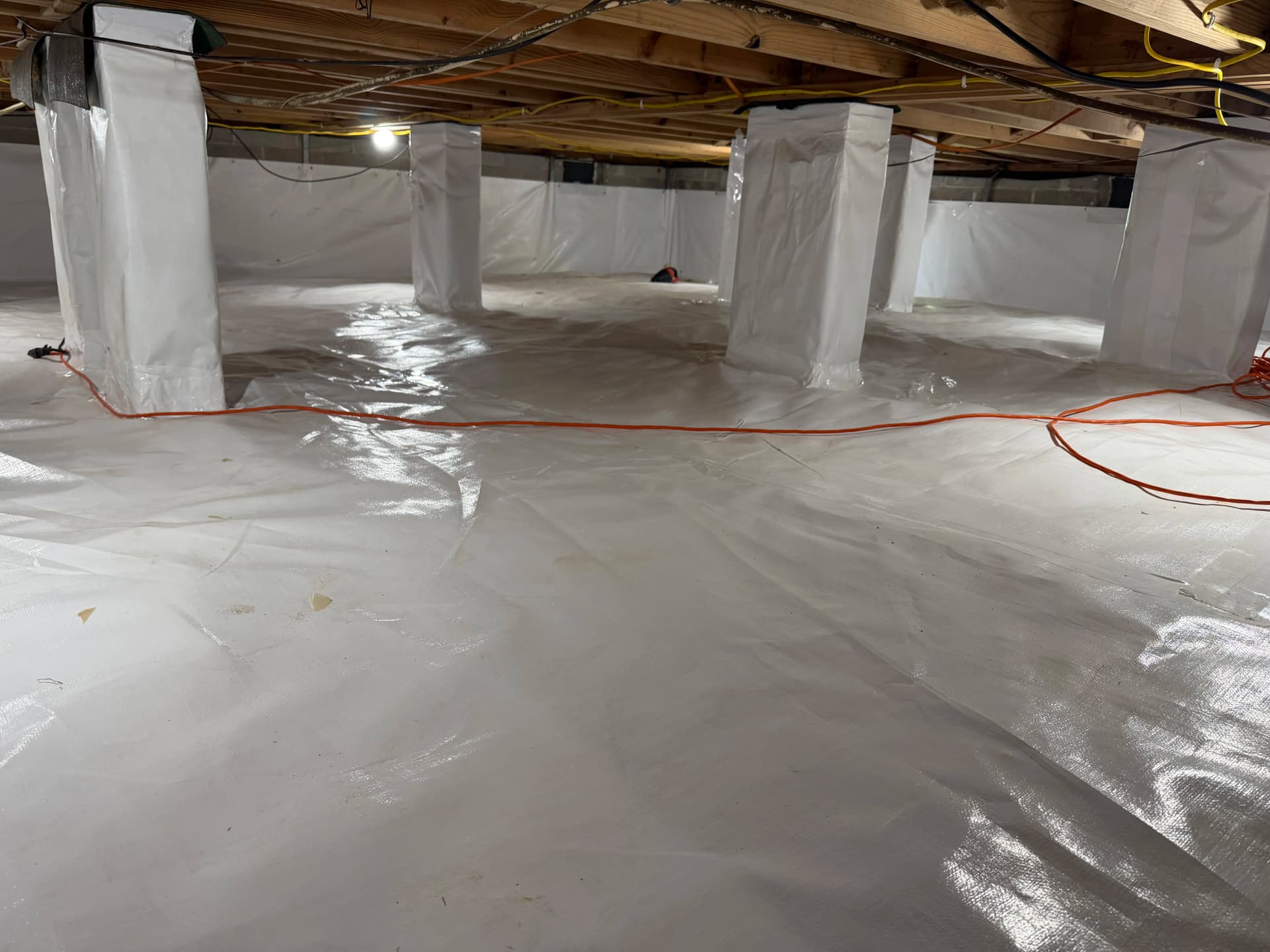
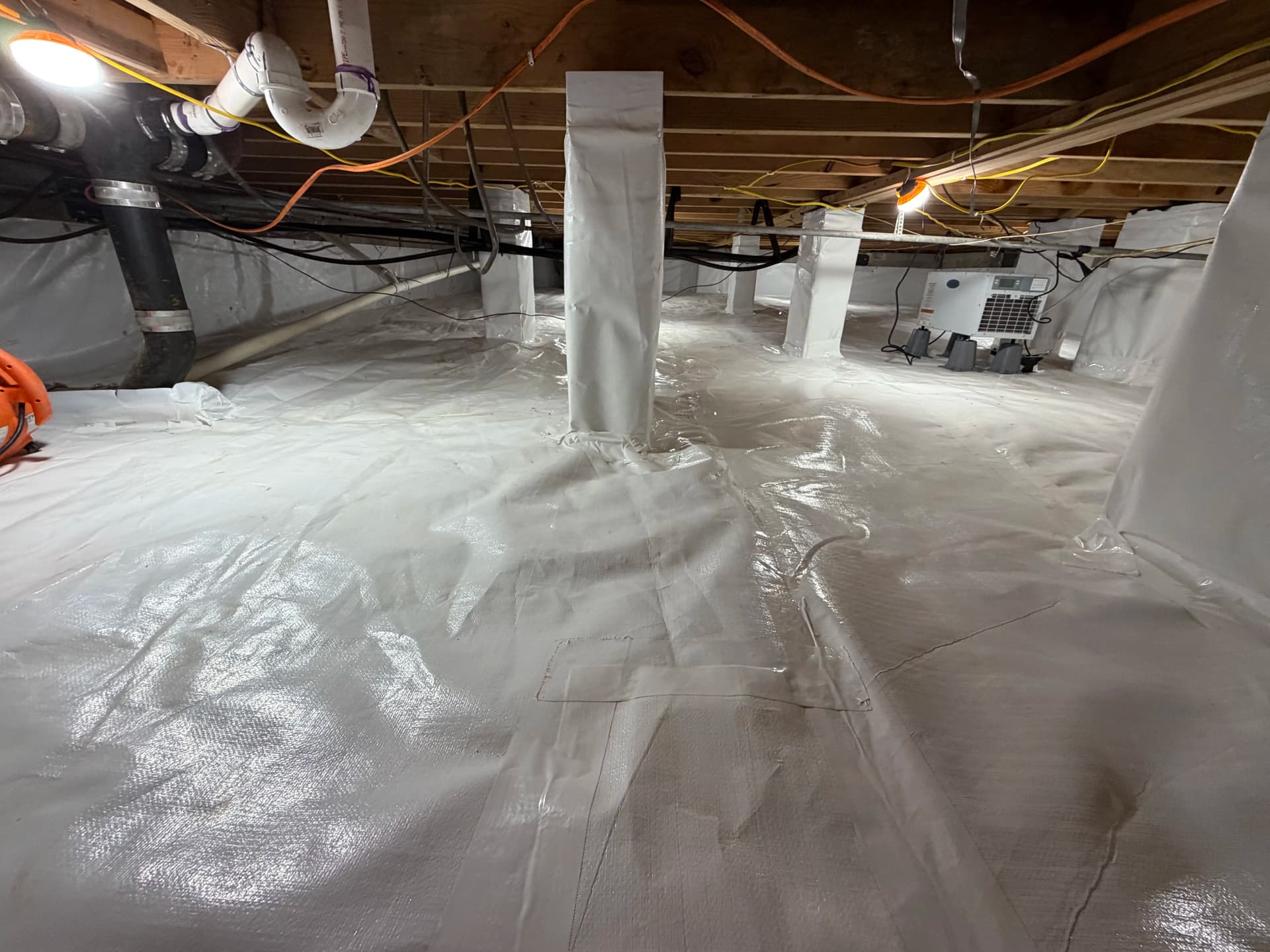
This Crestview home is a great example of what a full crawl space encapsulation looks like when it's done properly. We ran the vapor barrier wall-to-wall across the entire floor and wrapped it up each support column, sealing off every path moisture could use to creep in from the ground. The liner is fastened tight to the perimeter walls too, so there are no gaps where humid air can get behind it.
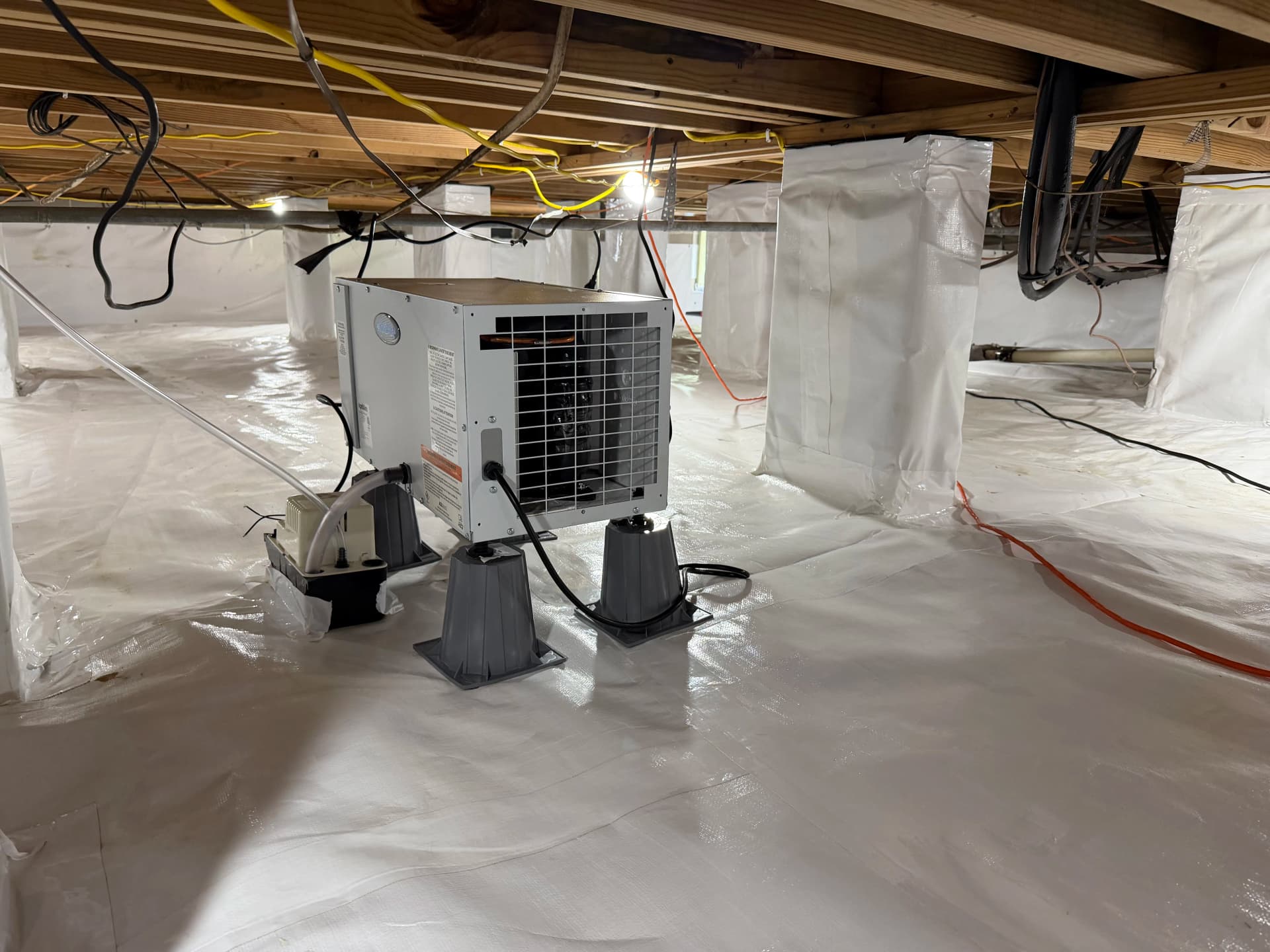
We also paired the encapsulation with a dedicated crawl space dehumidifier, mounted on its own raised stand and set up to run continuously as needed. That unit is the active side of moisture control - where the vapor barrier blocks ground moisture from rising, the dehumidifier handles whatever humidity remains in the air inside the sealed space. Together, they work as a system rather than a single fix.
A crawl space that stays damp or musty isn't just uncomfortable - it's a slow drain on your home's structural integrity and air quality. When the liner is bright white and the space is clean and dry, it's a completely different environment than what most crawl spaces look like before we get there. That difference matters, especially in a place like the Gulf Coast where humidity is a year-round issue.
If your crawl space has been feeling damp, smelling musty, or you just have no idea what's going on down there, it's worth getting a look. Moisture problems under a home don't fix themselves - they just get worse.