Crawl Space Encapsulation Done Right in Cantonment FL
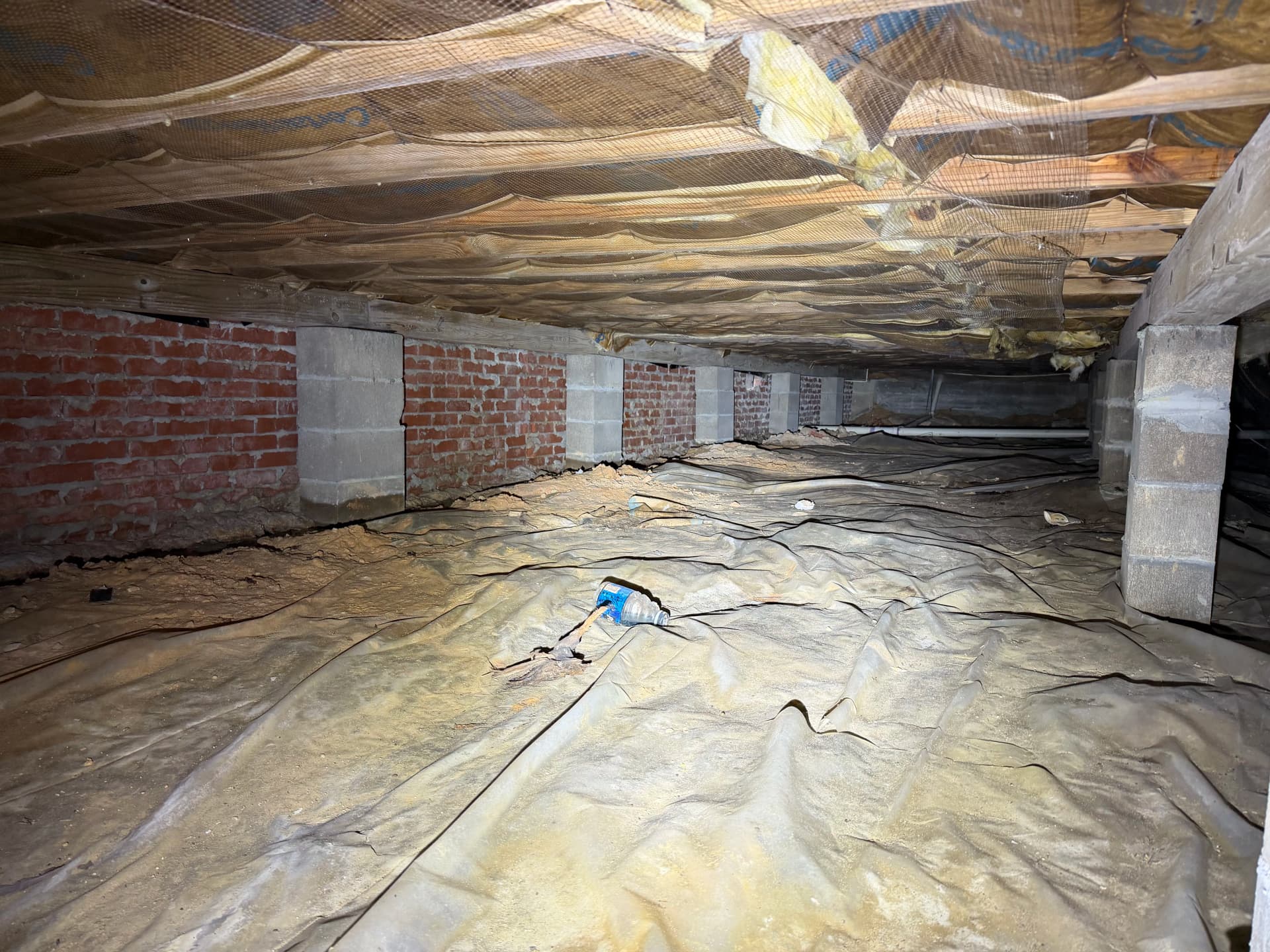
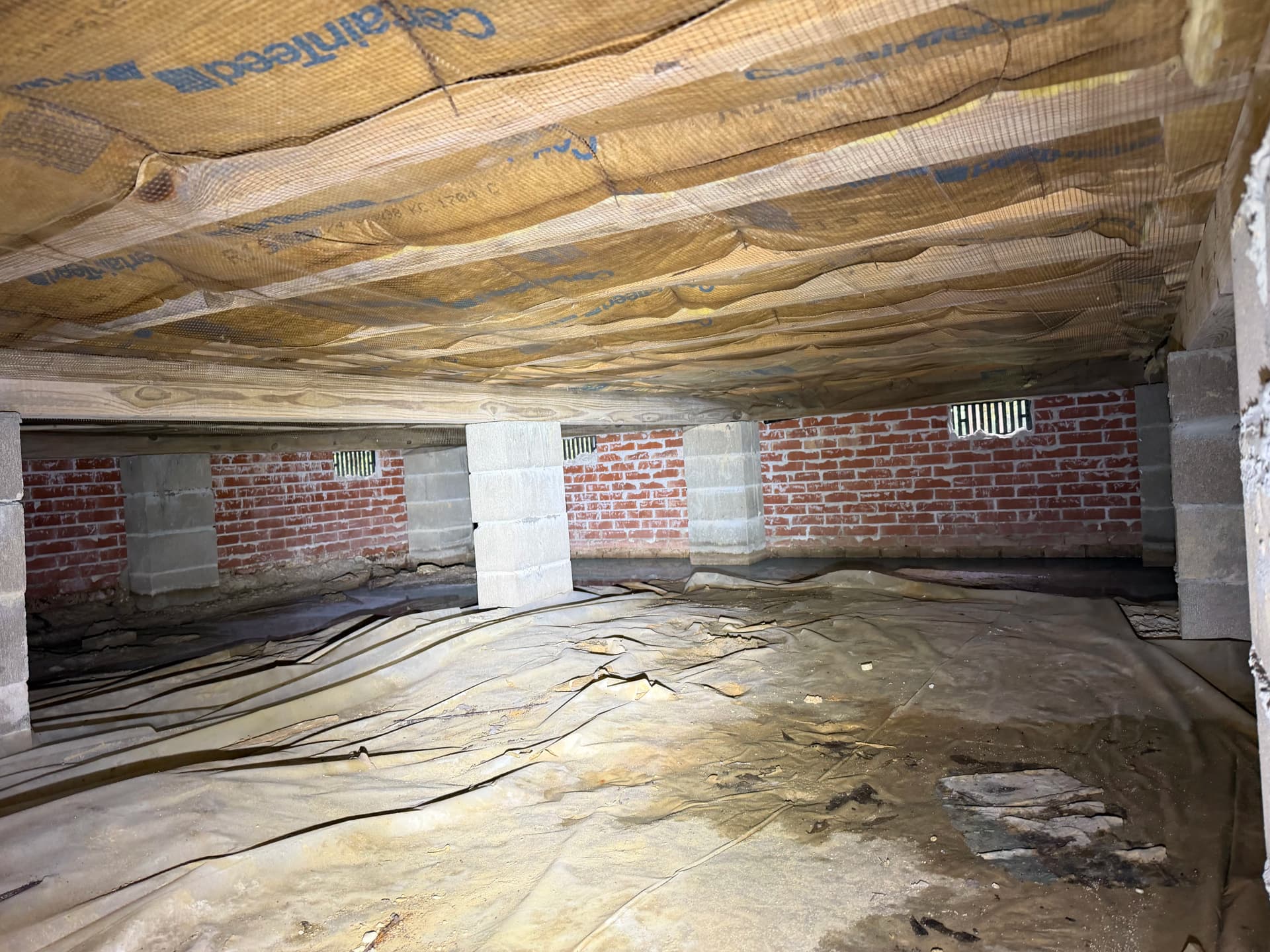
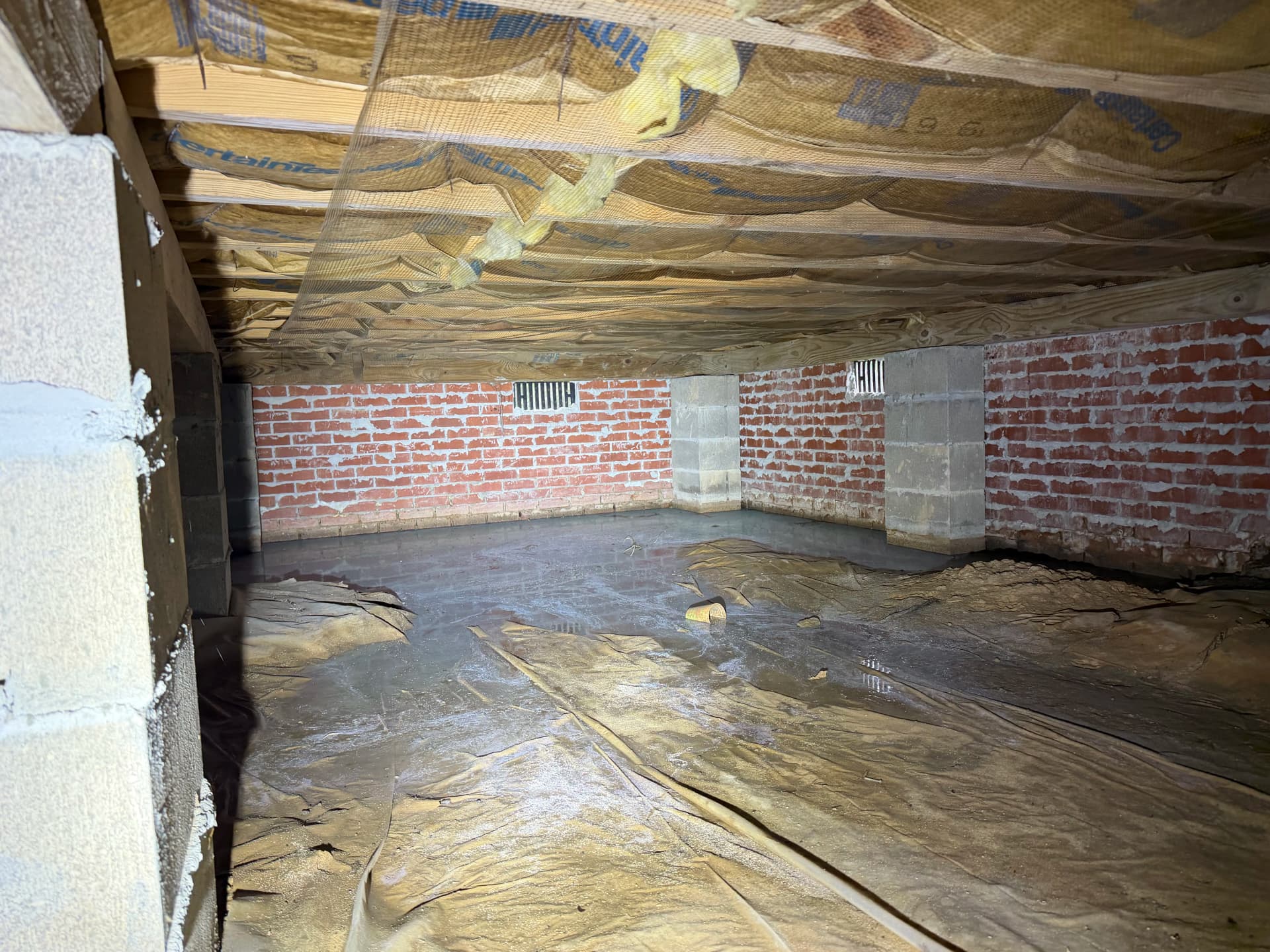
Here's what we were working with before we got started - a torn, deteriorated old vapor barrier, exposed dirt, standing moisture on the ground, and insulation falling apart overhead. Classic signs of a crawl space that had been ignored for a long time. That kind of environment doesn't just sit there quietly. It pushes musty air up into the living space and slowly goes to work on the wood structure above it.
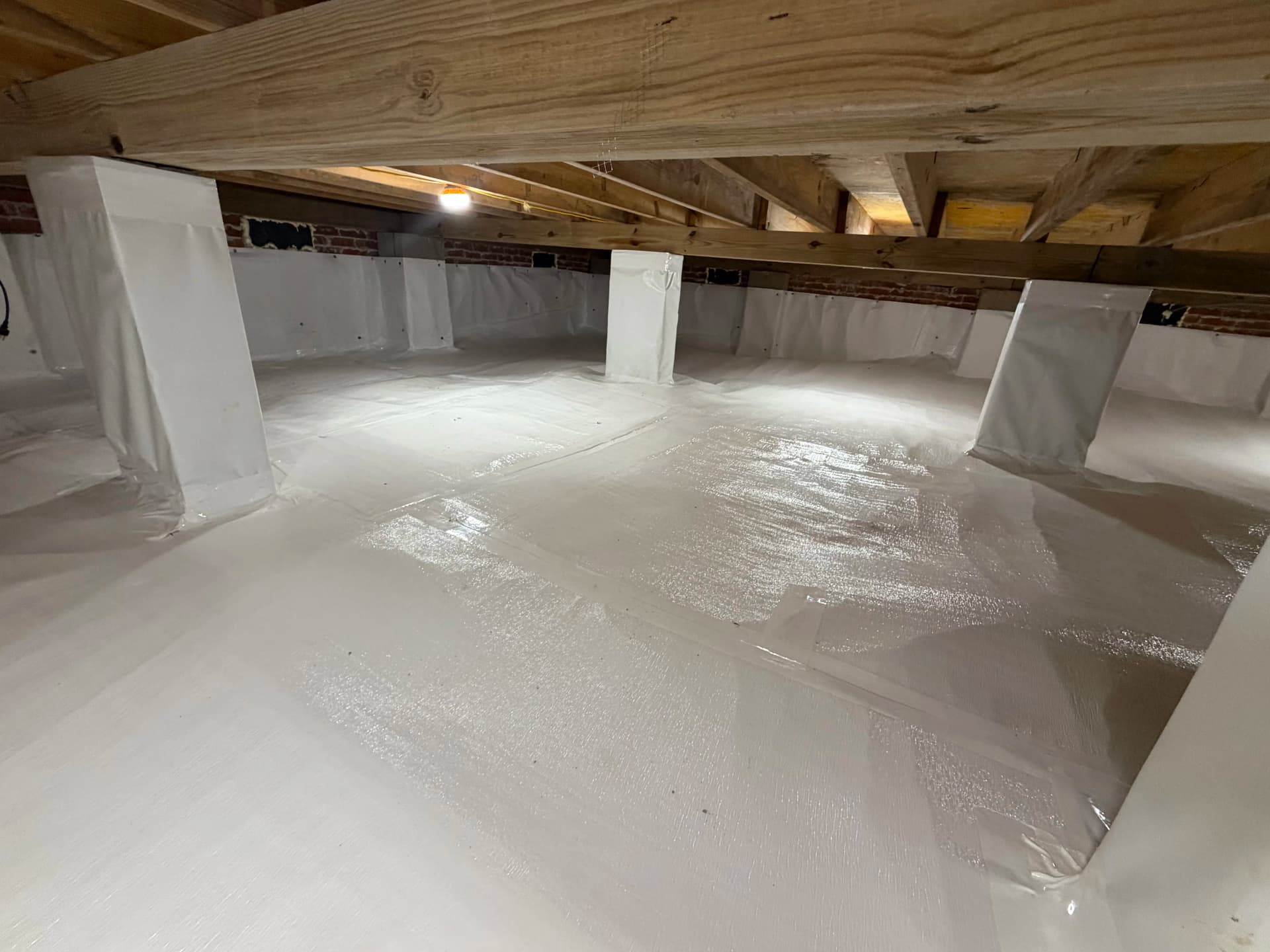
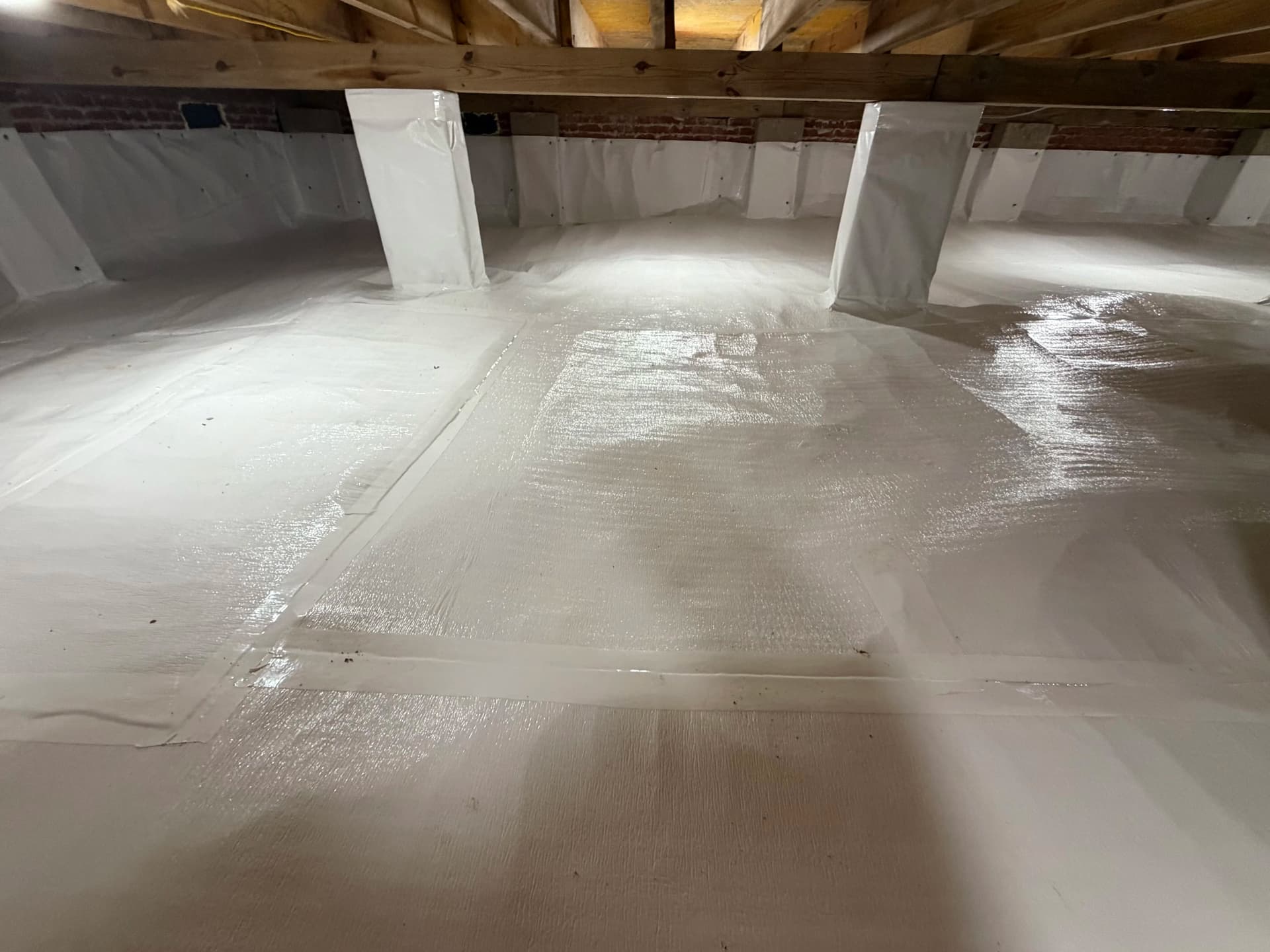
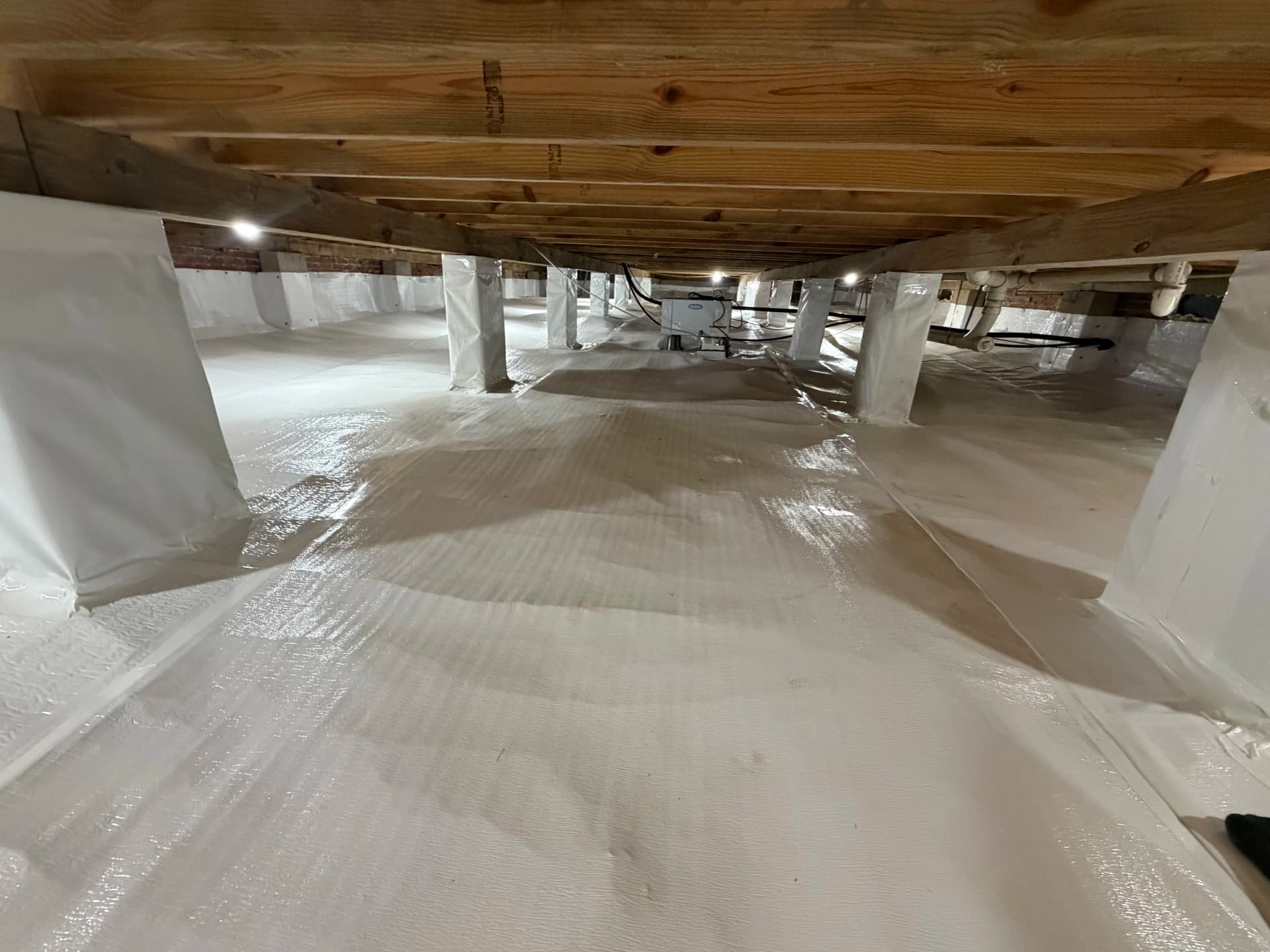
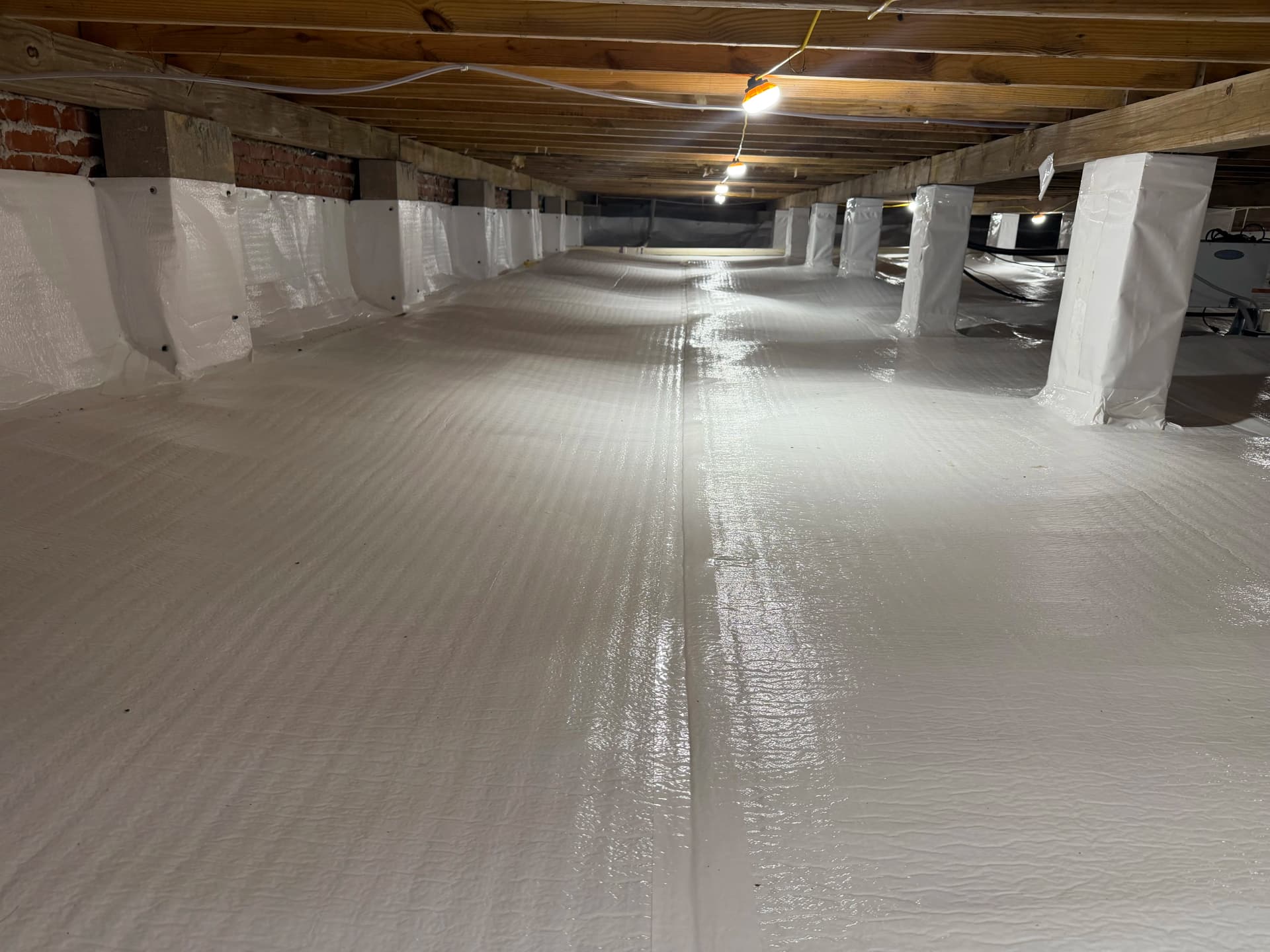
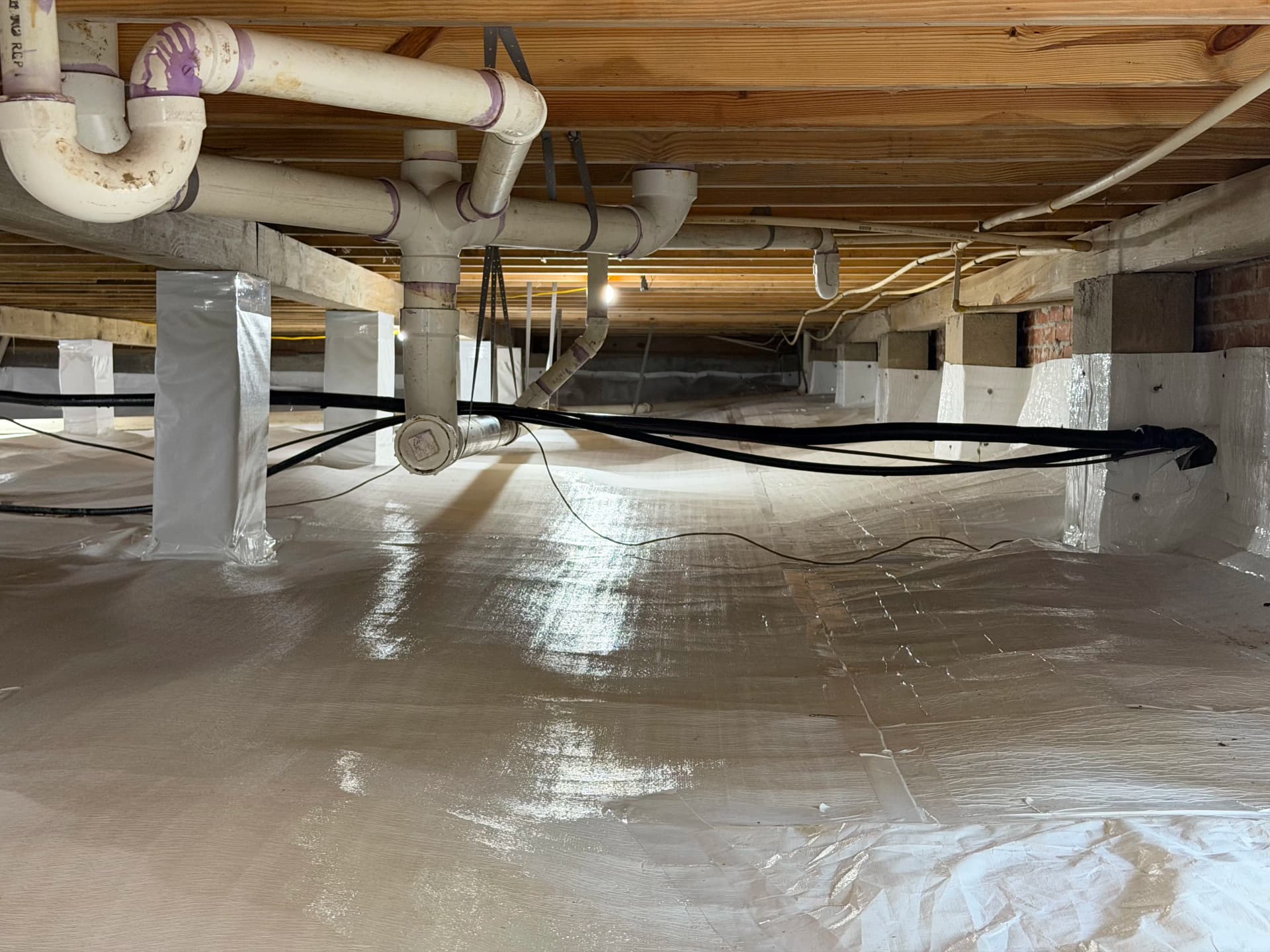
We pulled out the old material and started fresh. The whole space got covered with a clean, heavy-duty liner - floor, piers, and walls. Every seam was overlapped and sealed, and the liner was fastened tight against the foundation walls so there's no gap for ground moisture to sneak through. That's what separates a proper encapsulation from just throwing plastic on the ground.
The difference between before and after is hard to overstate. What was once a damp, dark mess is now a clean, sealed crawl space that actually looks good. The vapor barrier installation we did here creates a continuous barrier between the ground and the structure above - protecting the framing, the subfloor, and ultimately the air quality inside the home.
A crawl space like this is out of sight, so it's easy to put off. But moisture doesn't stop working just because you're not thinking about it. If your crawl space has an old liner that's cracked and bunched up, or bare ground with no protection at all, it's worth getting eyes on it sooner rather than later. We're glad we could get Trent's home taken care of the right way.