Crawl Space Encapsulation Completed in Pensacola, Florida
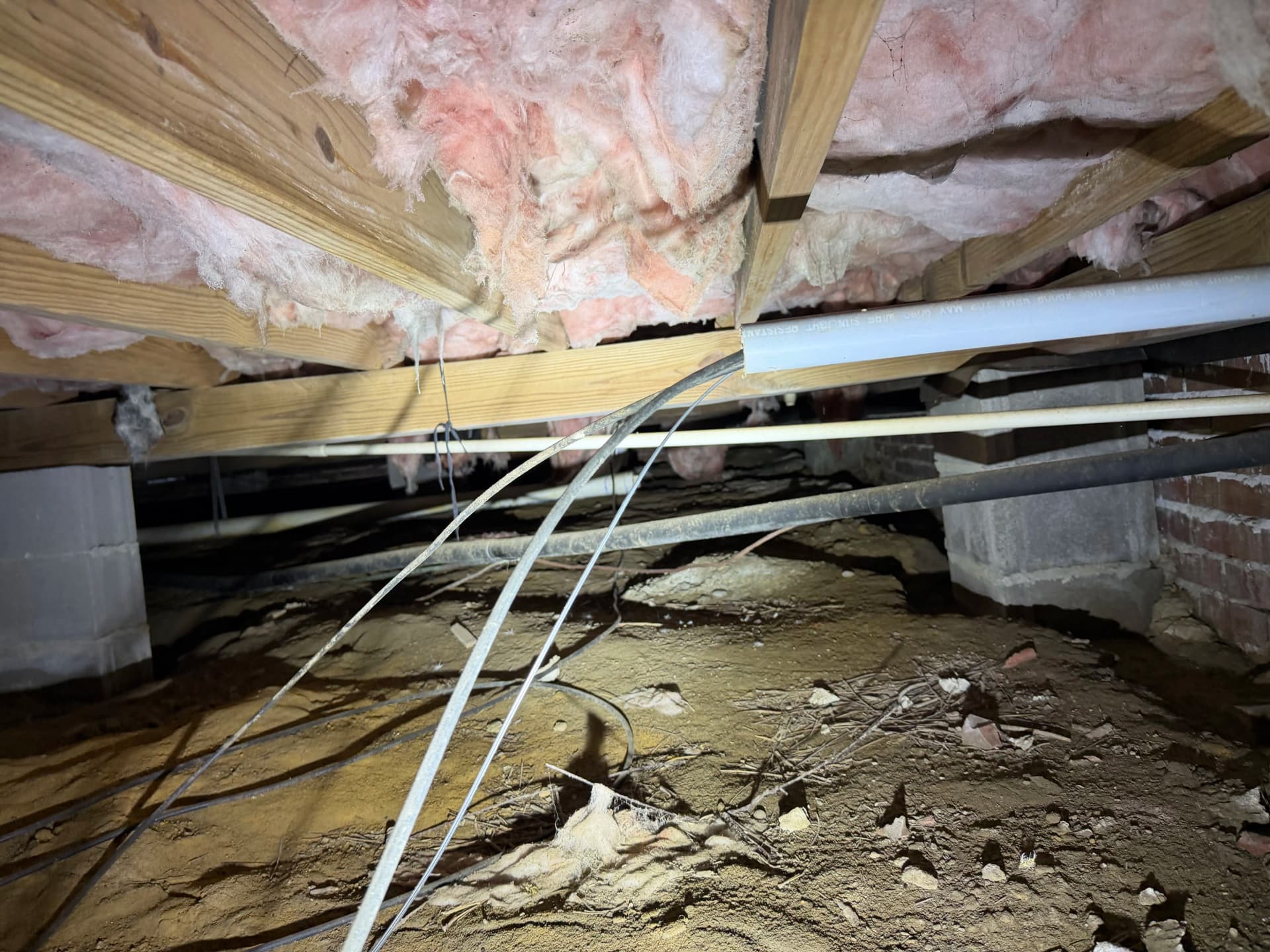
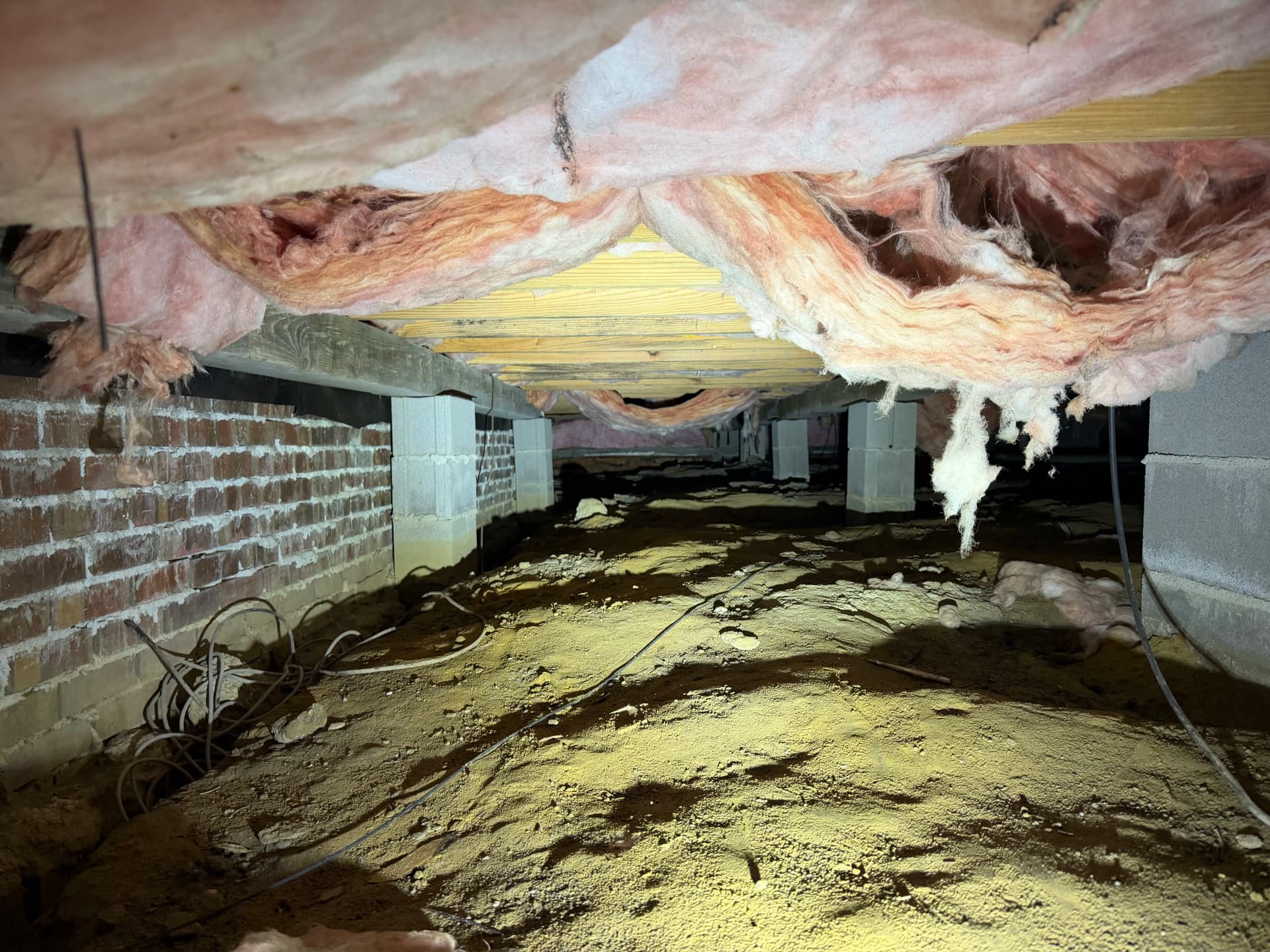
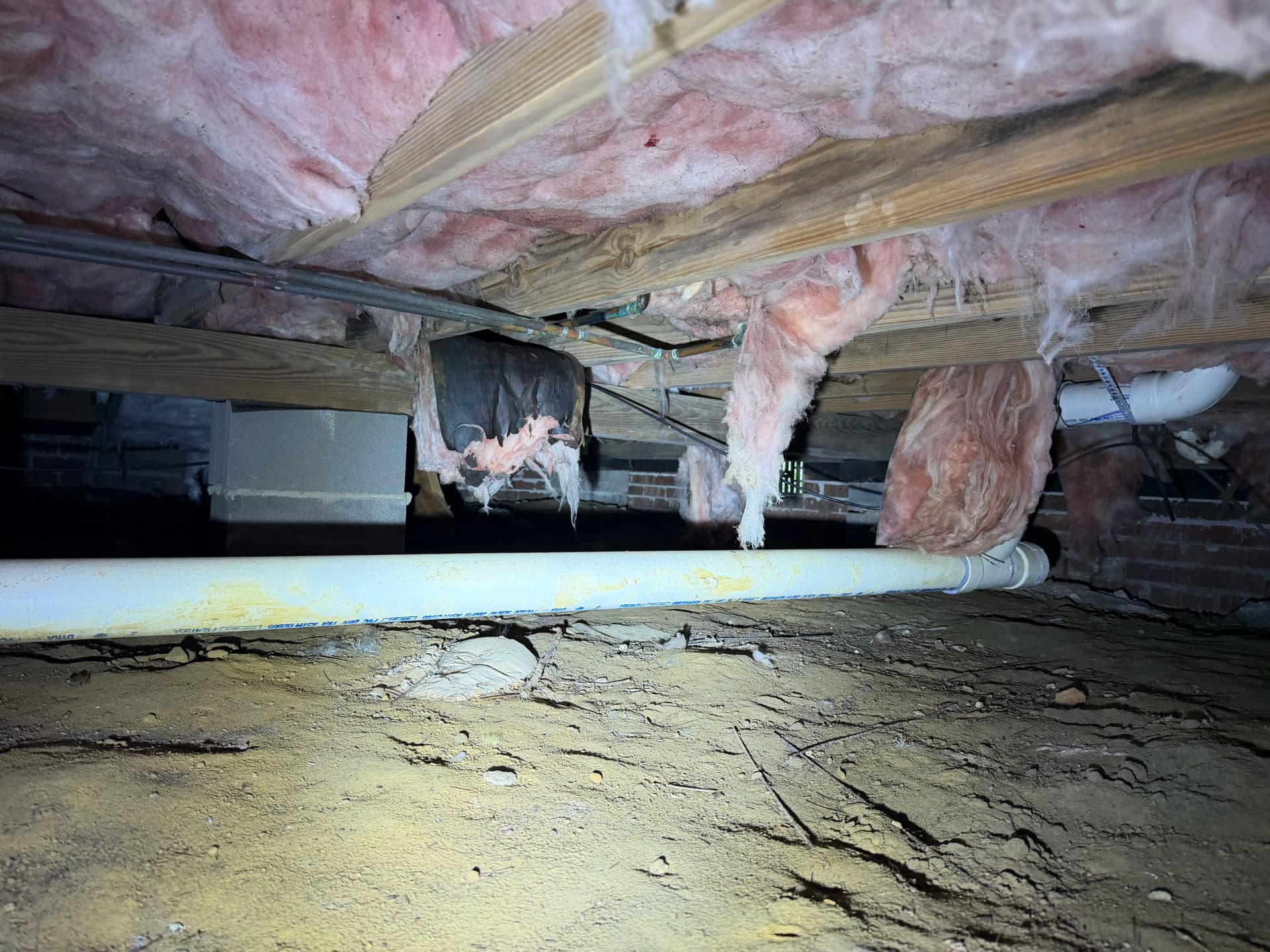
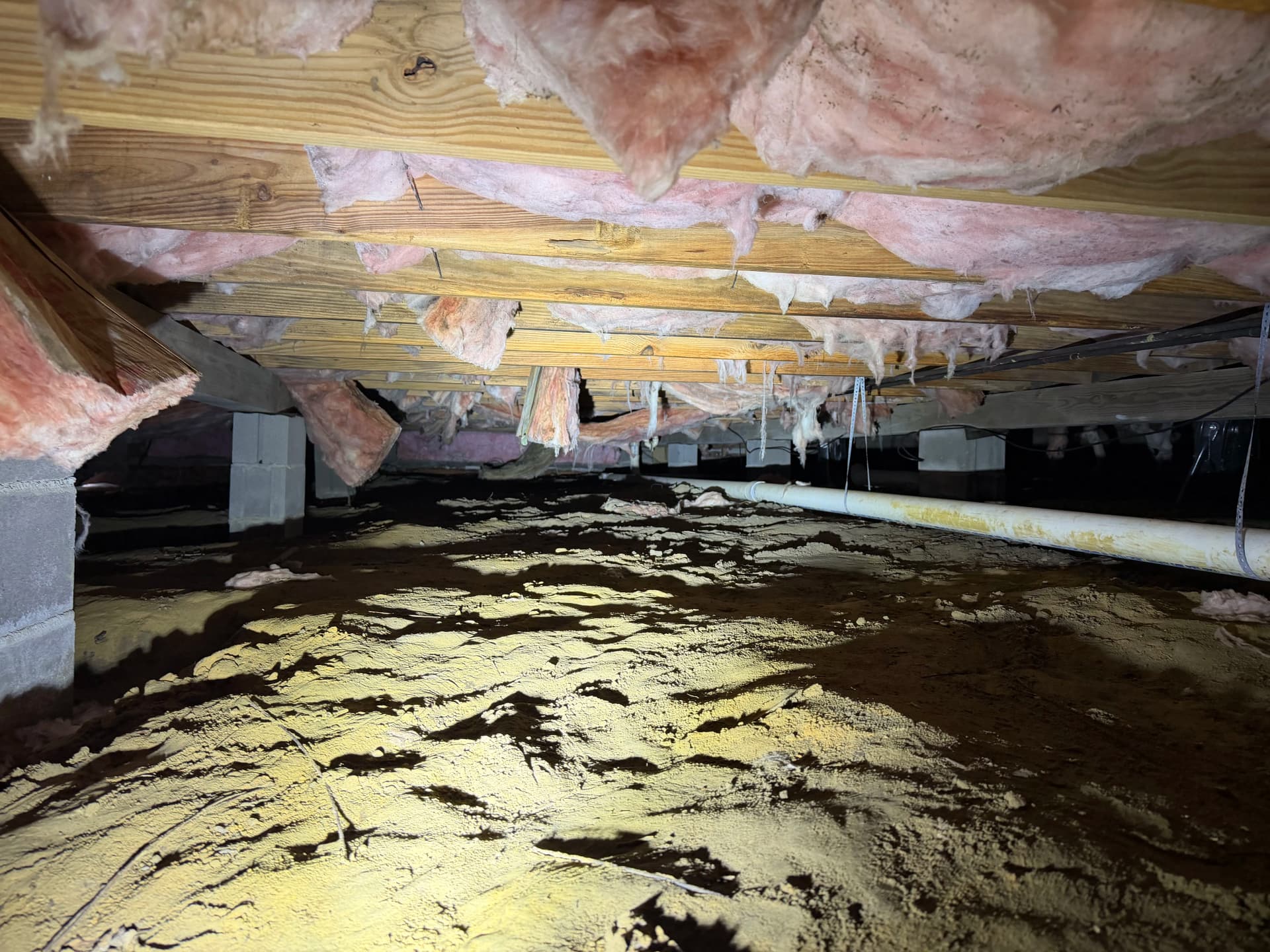
Here's what we were working with before we touched anything - bare dirt floors, failing fiberglass insulation sagging and falling from the joists, loose wiring, debris scattered across the ground, and zero moisture protection. This is a crawl space that had been ignored for a long time. Down here in the Florida Panhandle, that kind of neglect doesn't just sit still. Humidity and ground moisture creep in constantly, and over time that leads to wood rot, mold, and poor air quality throughout the whole house.
The first step was crawl space insulation removal. All that deteriorated fiberglass had to come out. Insulation that's been hanging under a home like that isn't doing its job anymore - it's just holding moisture and giving pests a place to nest. Getting it out clean sets the stage for everything that comes next.
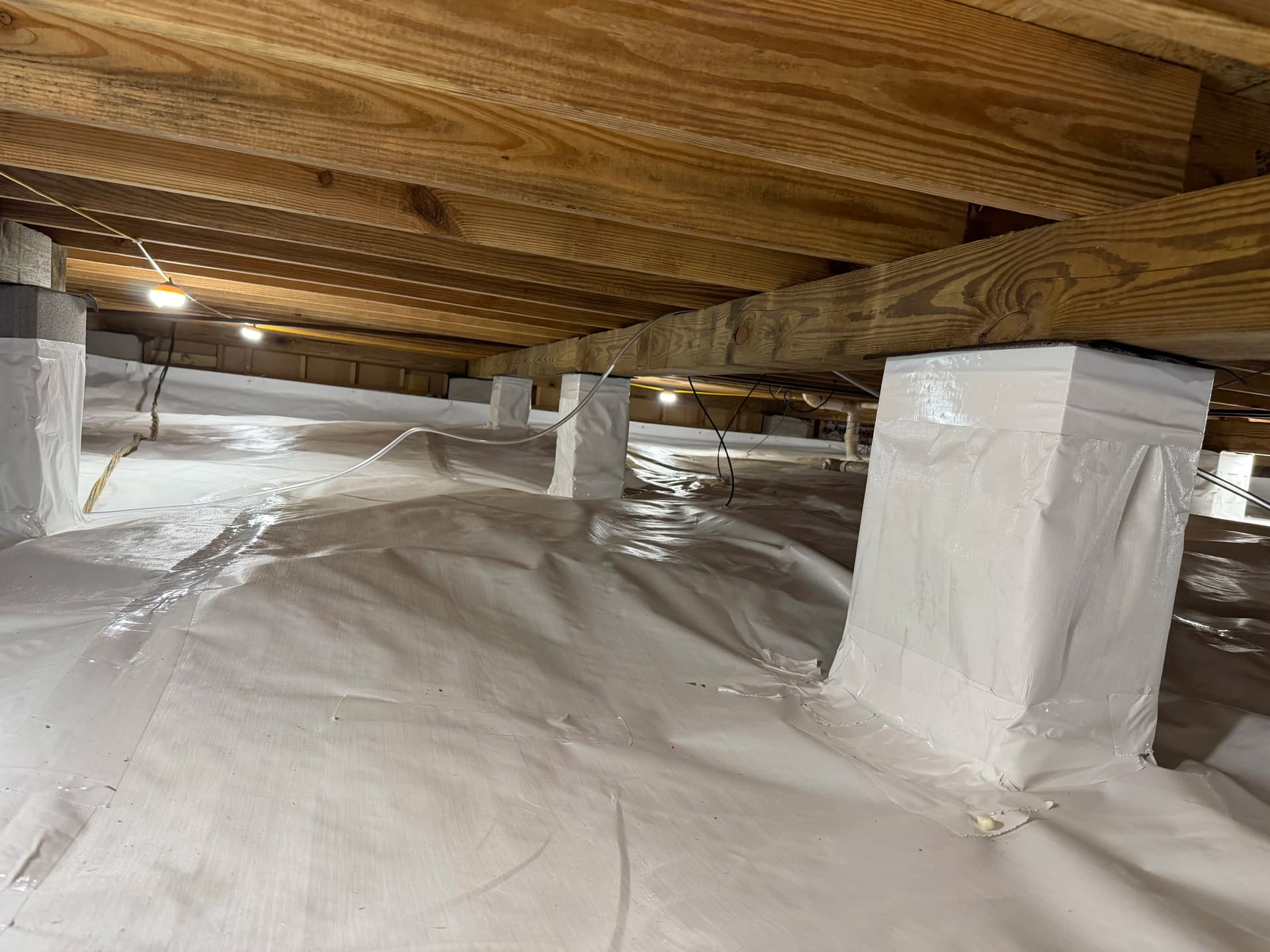
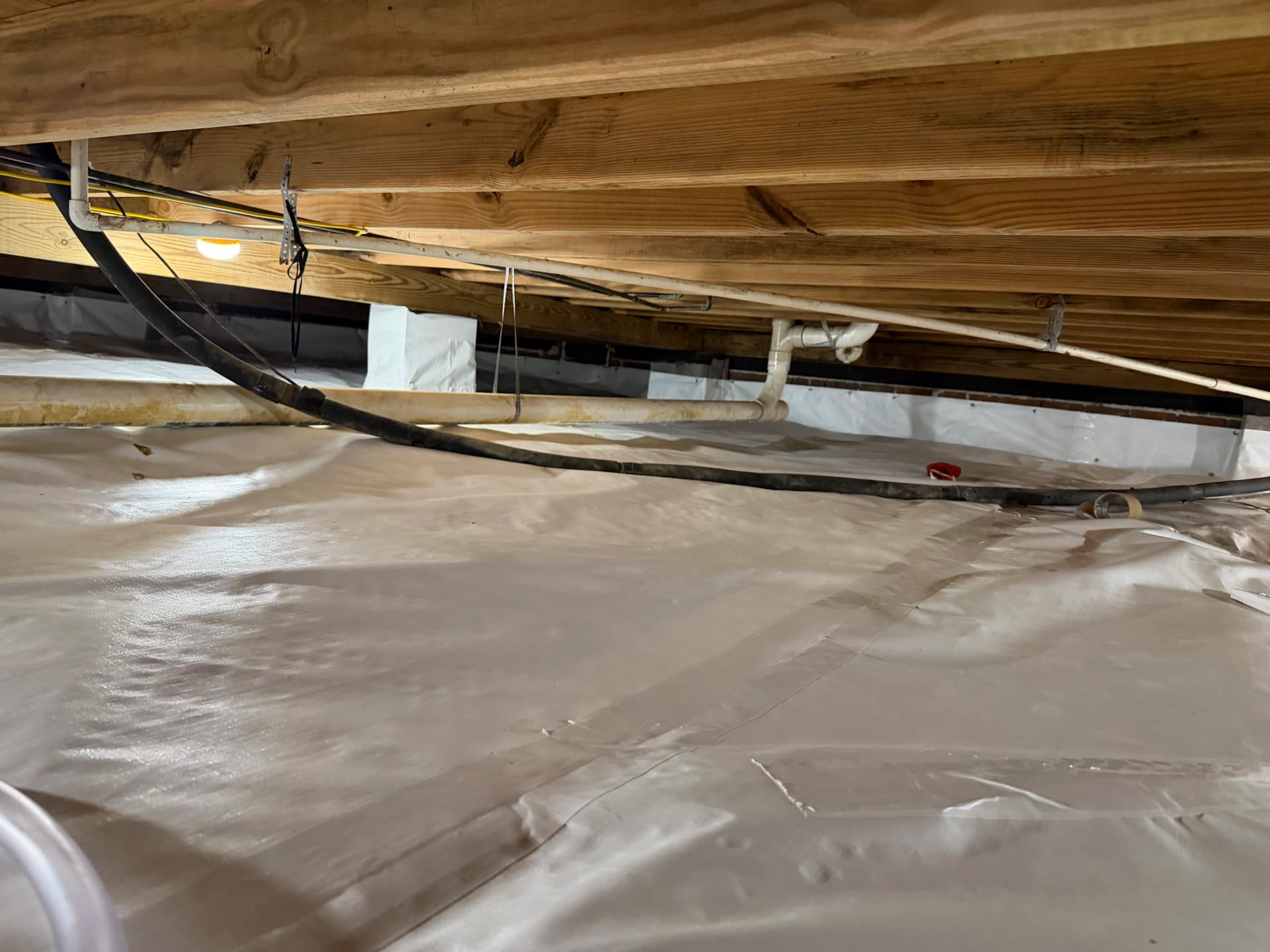
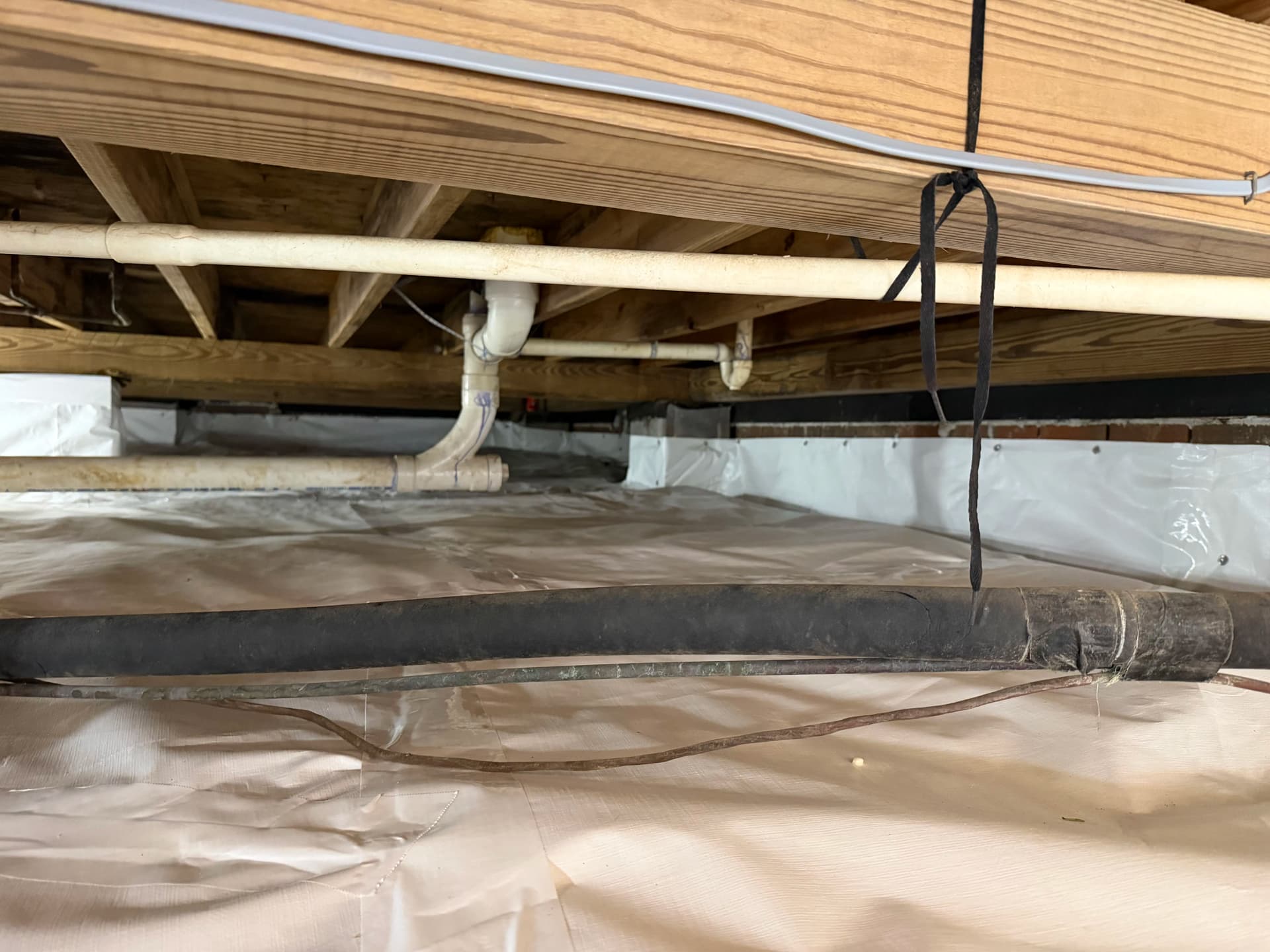
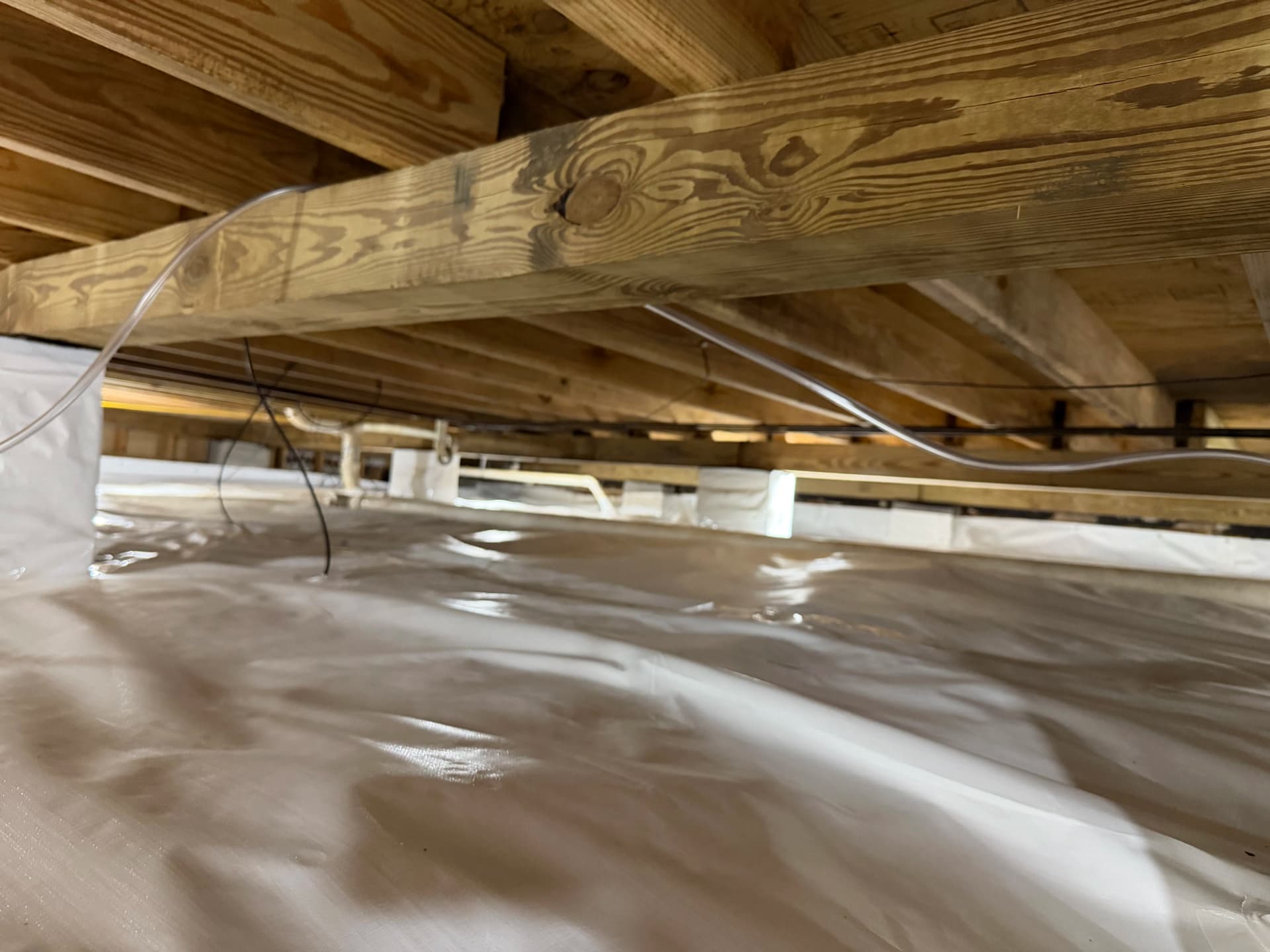
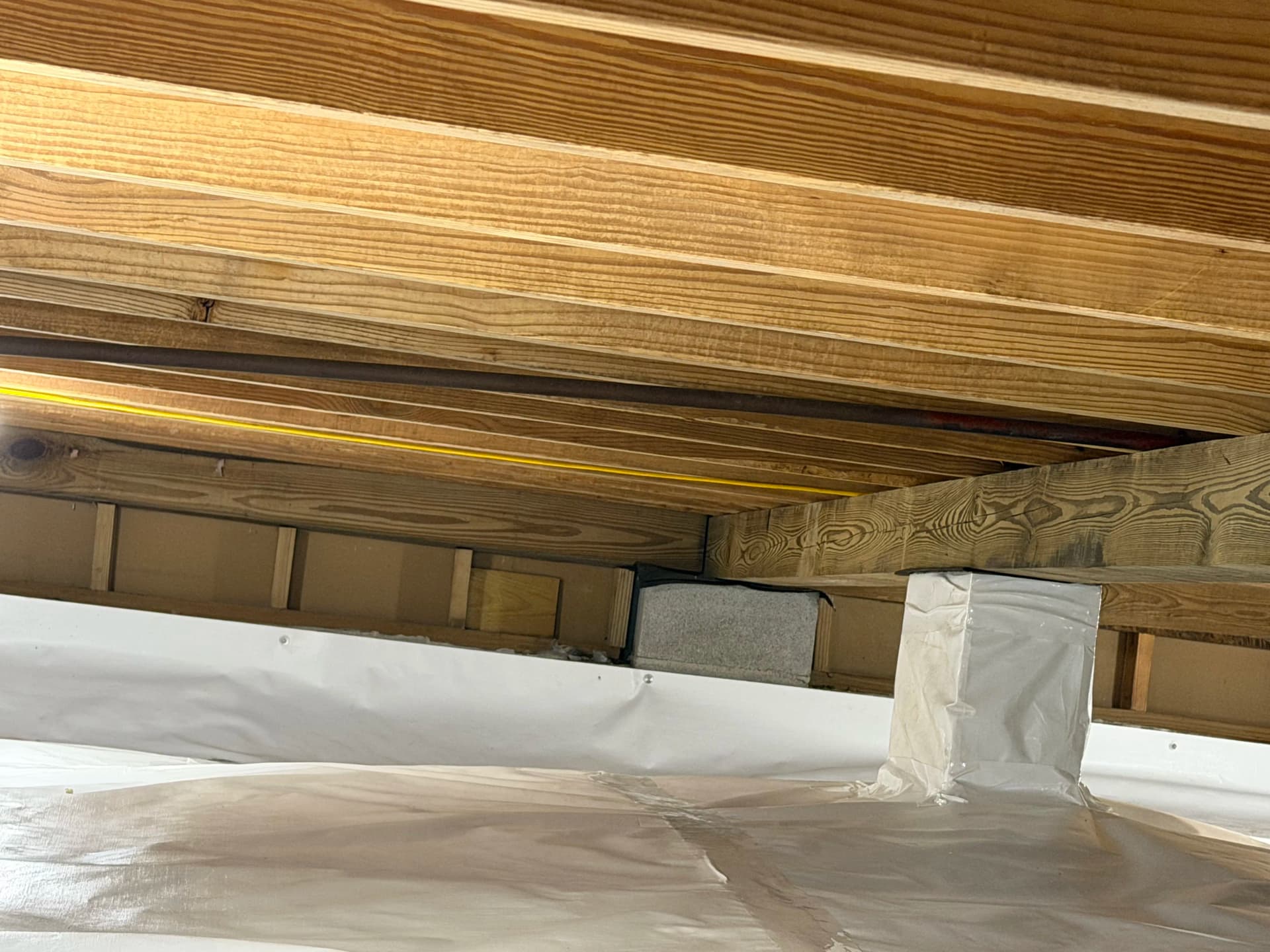
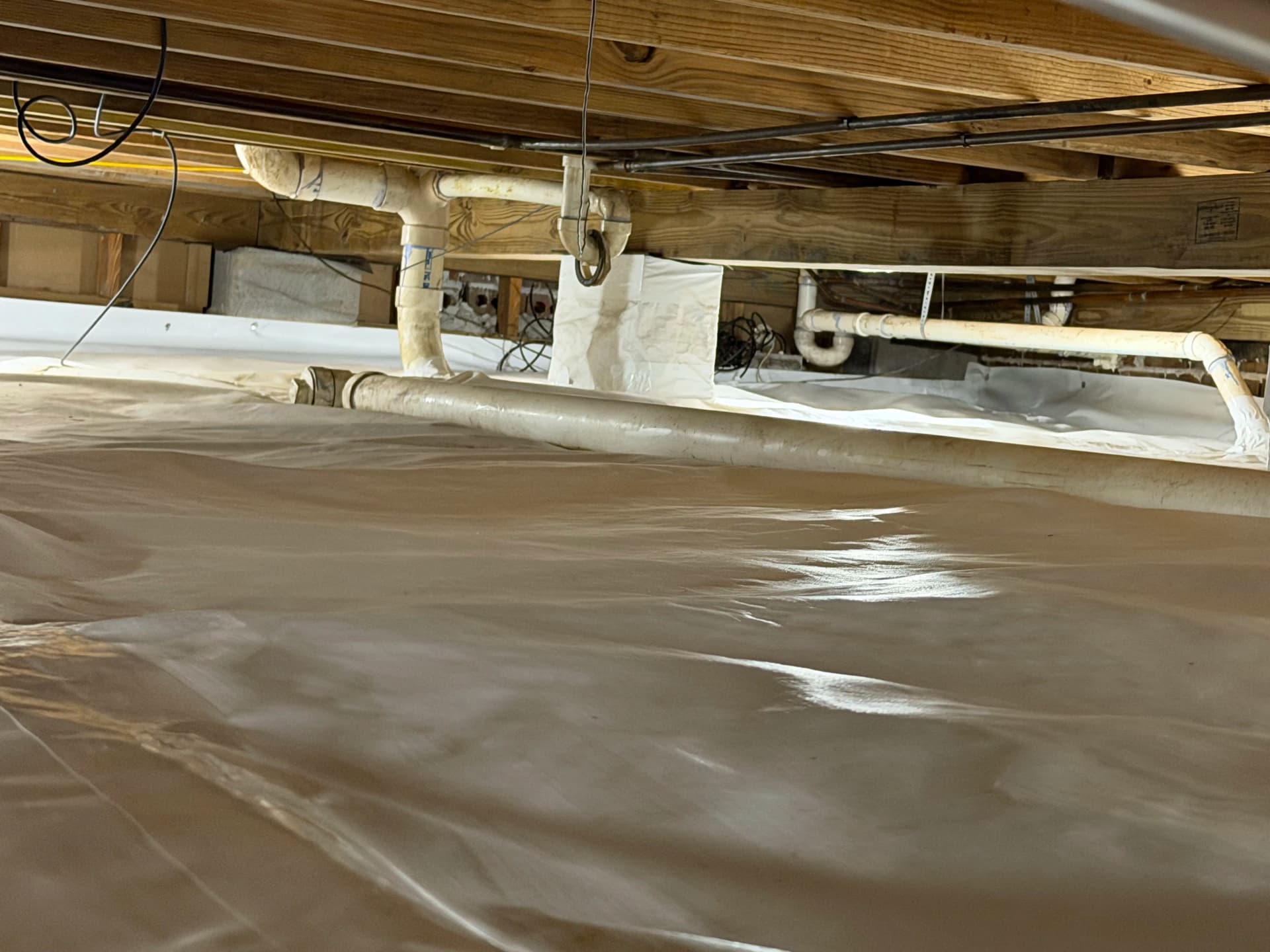
After the old material was cleared, we installed a heavy-duty vapor barrier across the entire floor. We ran it up the foundation walls and wrapped each support pier individually. That continuous coverage is what makes encapsulation work - no gaps, no exposed soil, no pathways for ground moisture to sneak back in. The difference between a rushed install and a thorough one shows up years later when the structure is still in good shape.
What you end up with is a crawl space that's actually under control. Clean floor, protected framing, and a moisture barrier working around the clock beneath your home. The wood joists are visible and dry, the support columns are wrapped tight, and the whole space looks completely different from where it started. That's the goal on every job we do.
A crawl space like this doesn't just protect your floors and framing - it protects your indoor air quality too. Roughly half the air in your living space comes up from below. When that space is damp and uncontrolled, you feel it. When it's encapsulated properly, the whole house benefits.