Crawl Space Encapsulation Complete in Grand Bay Alabama
Down on the Gulf Coast, moisture is a constant fight. Humid air finds its way into crawl spaces, sits against the soil, and slowly does damage to the wood structure above it. Most homeowners never think about it until something goes wrong - a musty smell inside the house, soft spots in the floor, or a pest inspector flagging rot. By then, the problem has already been going on for a while.
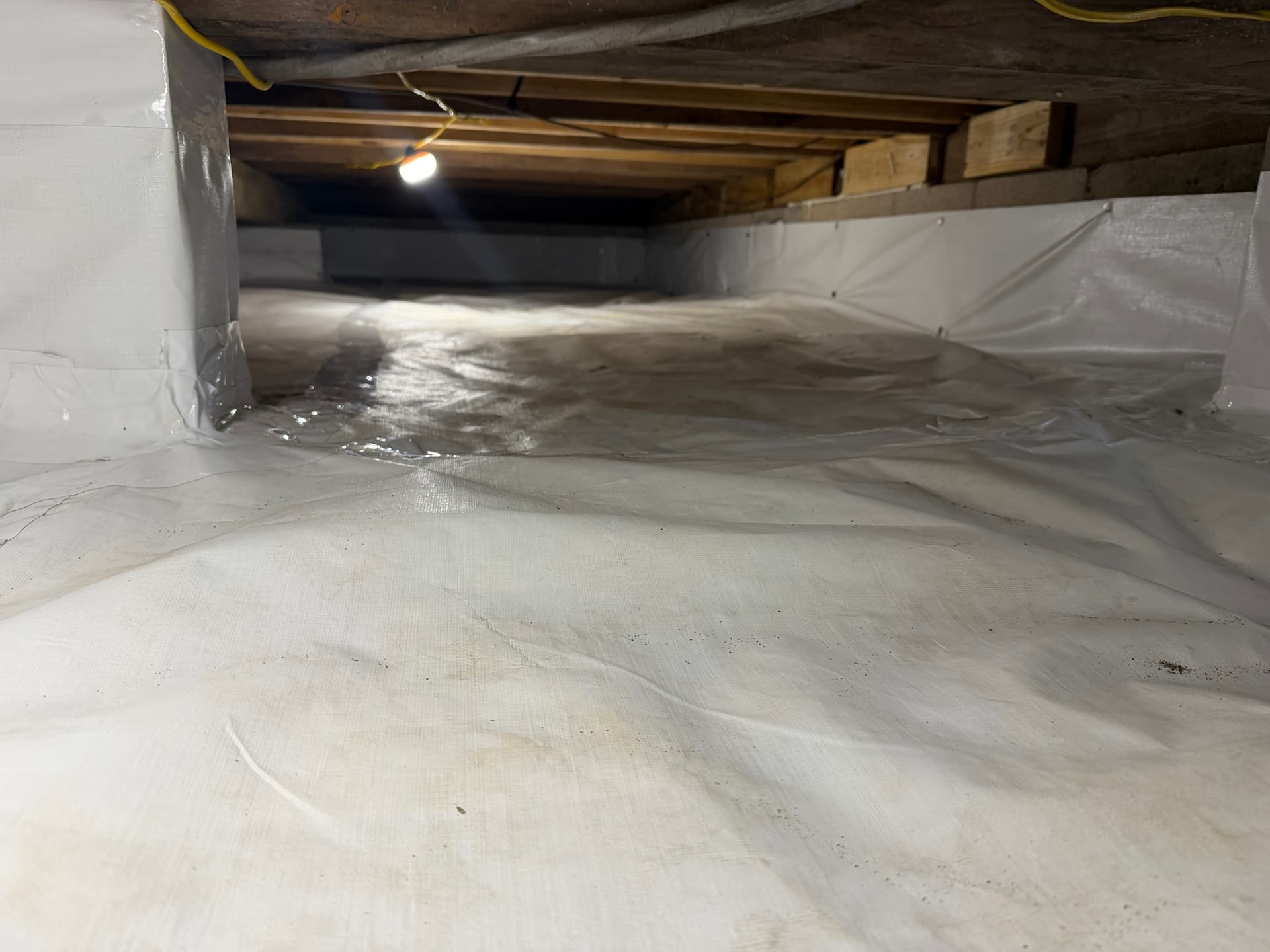
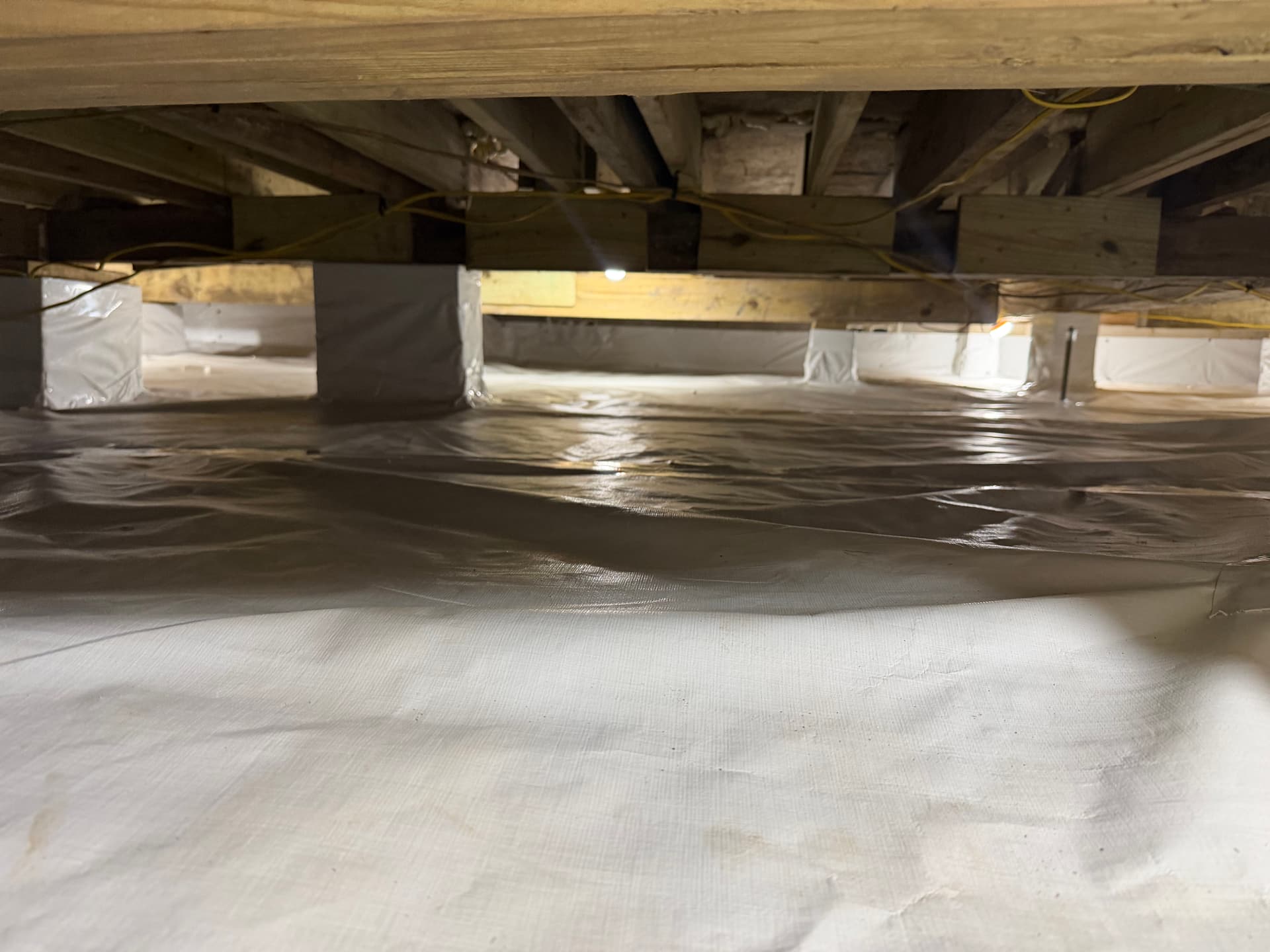
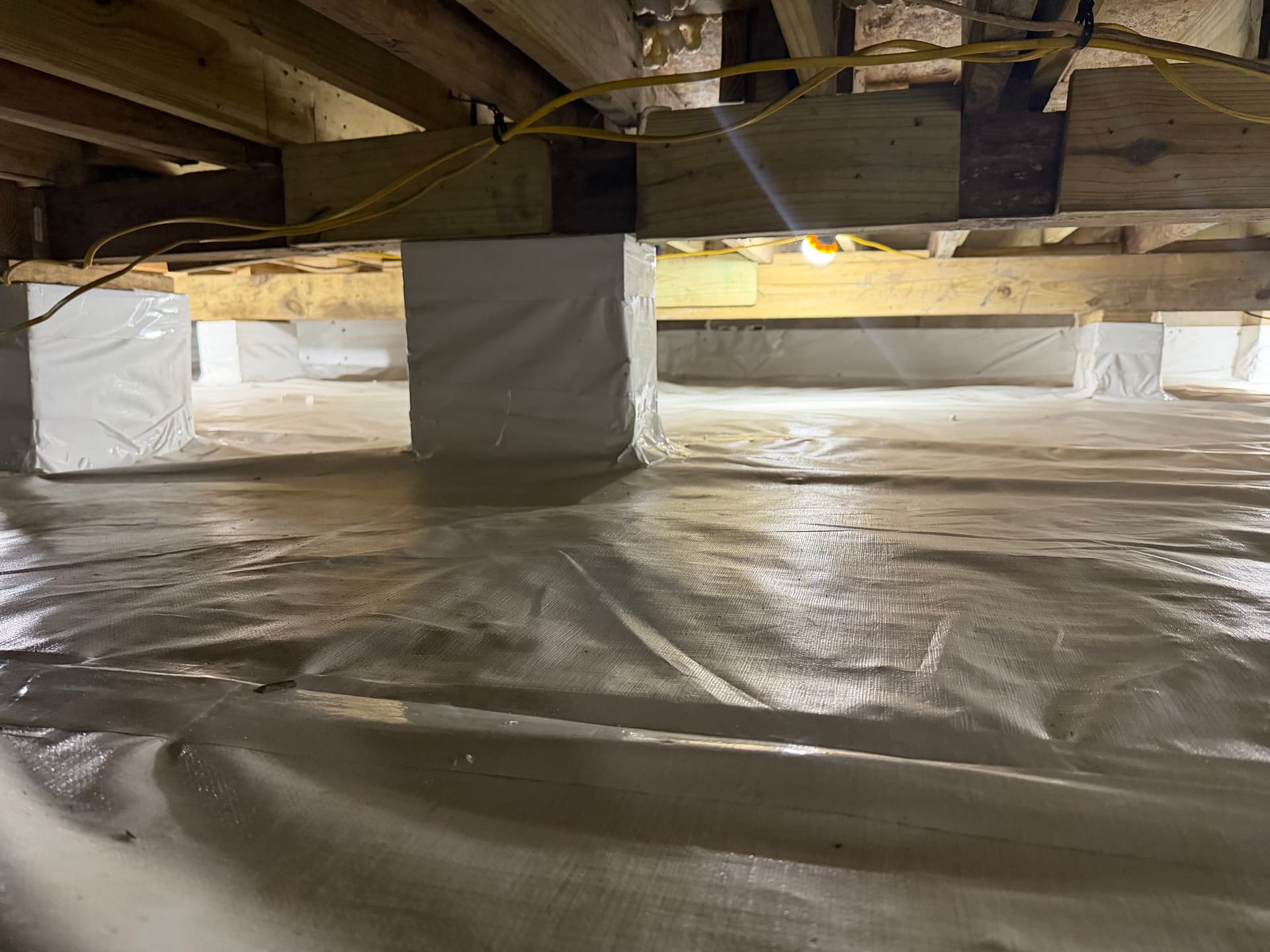
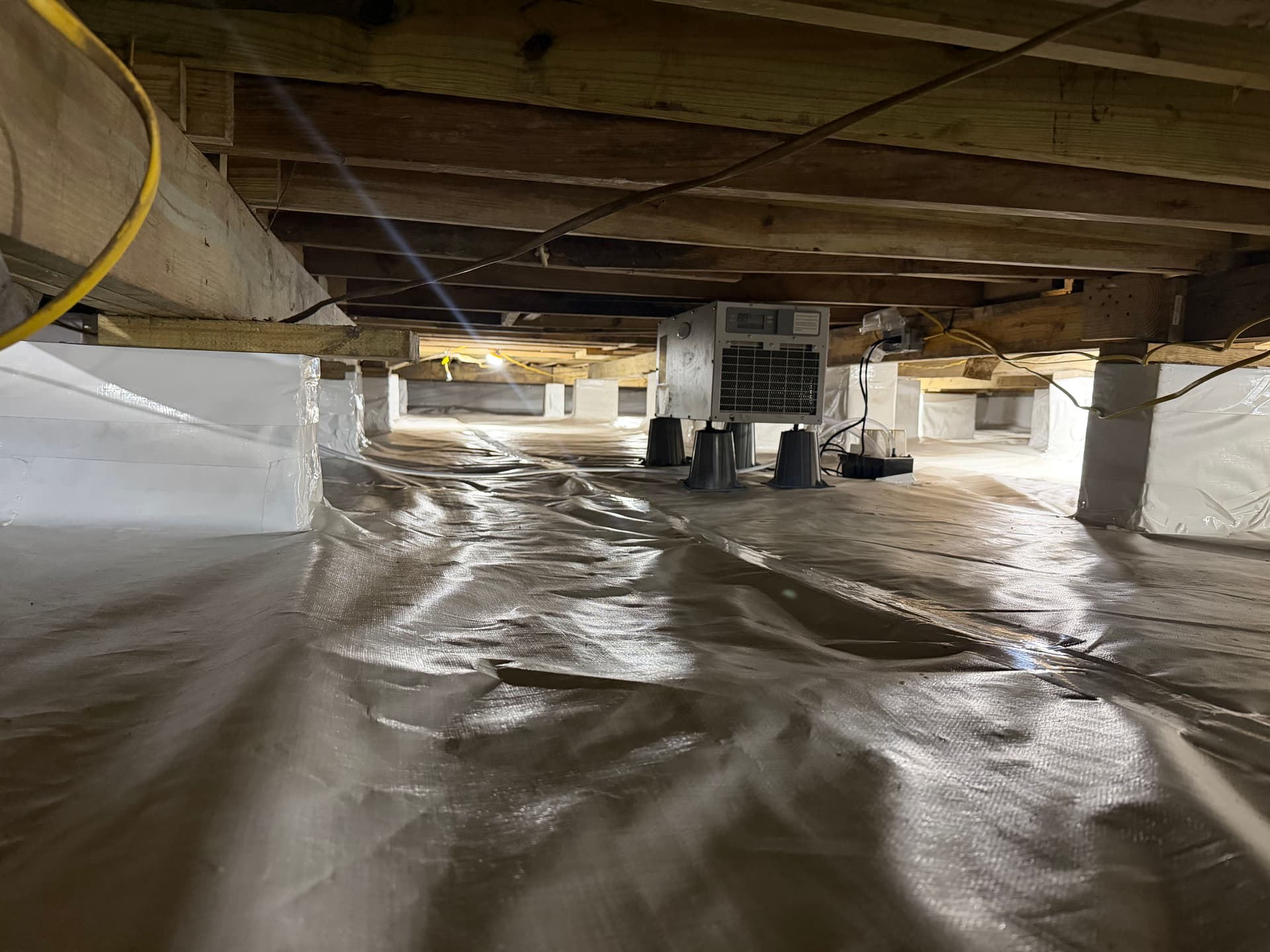
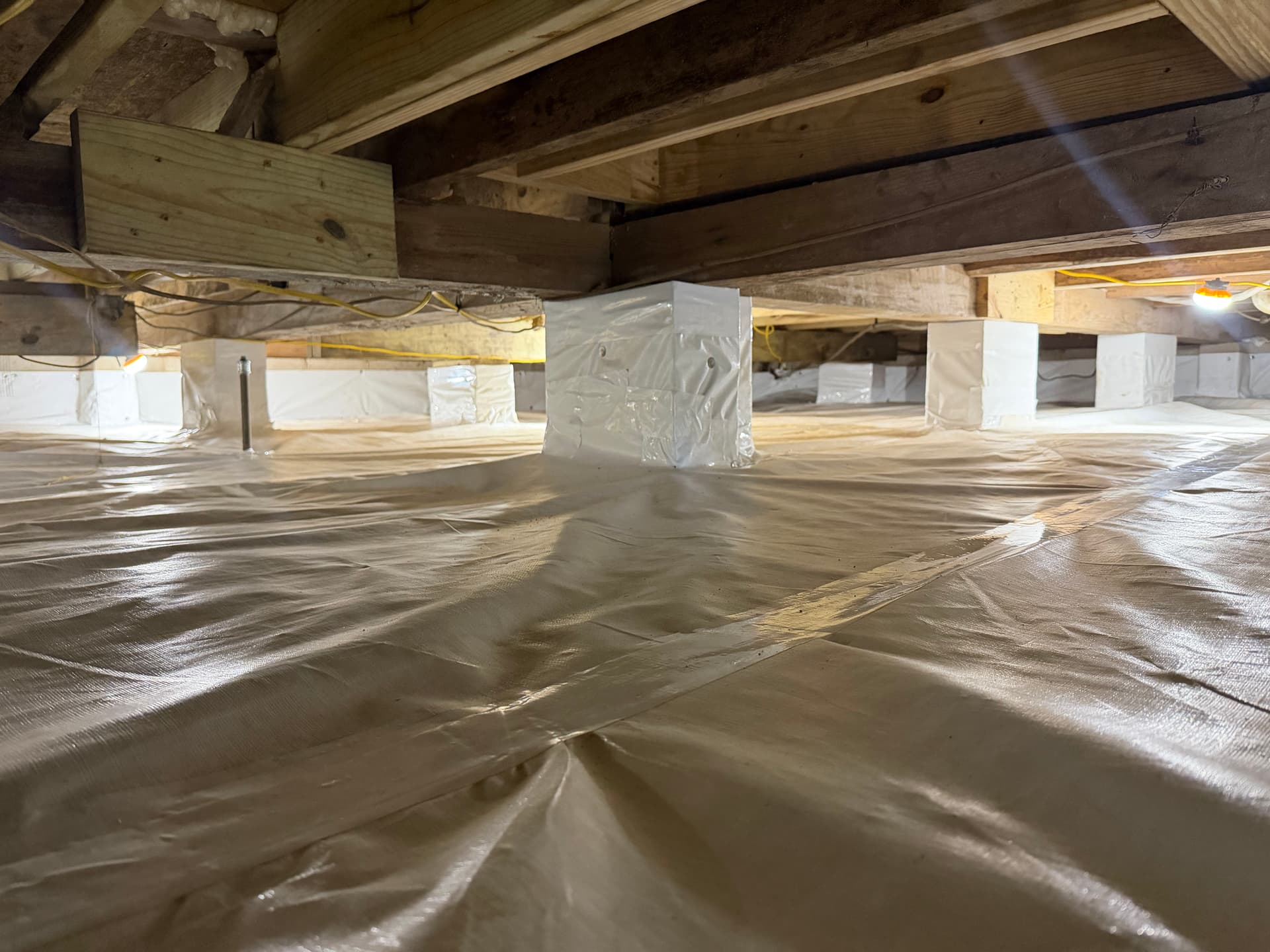
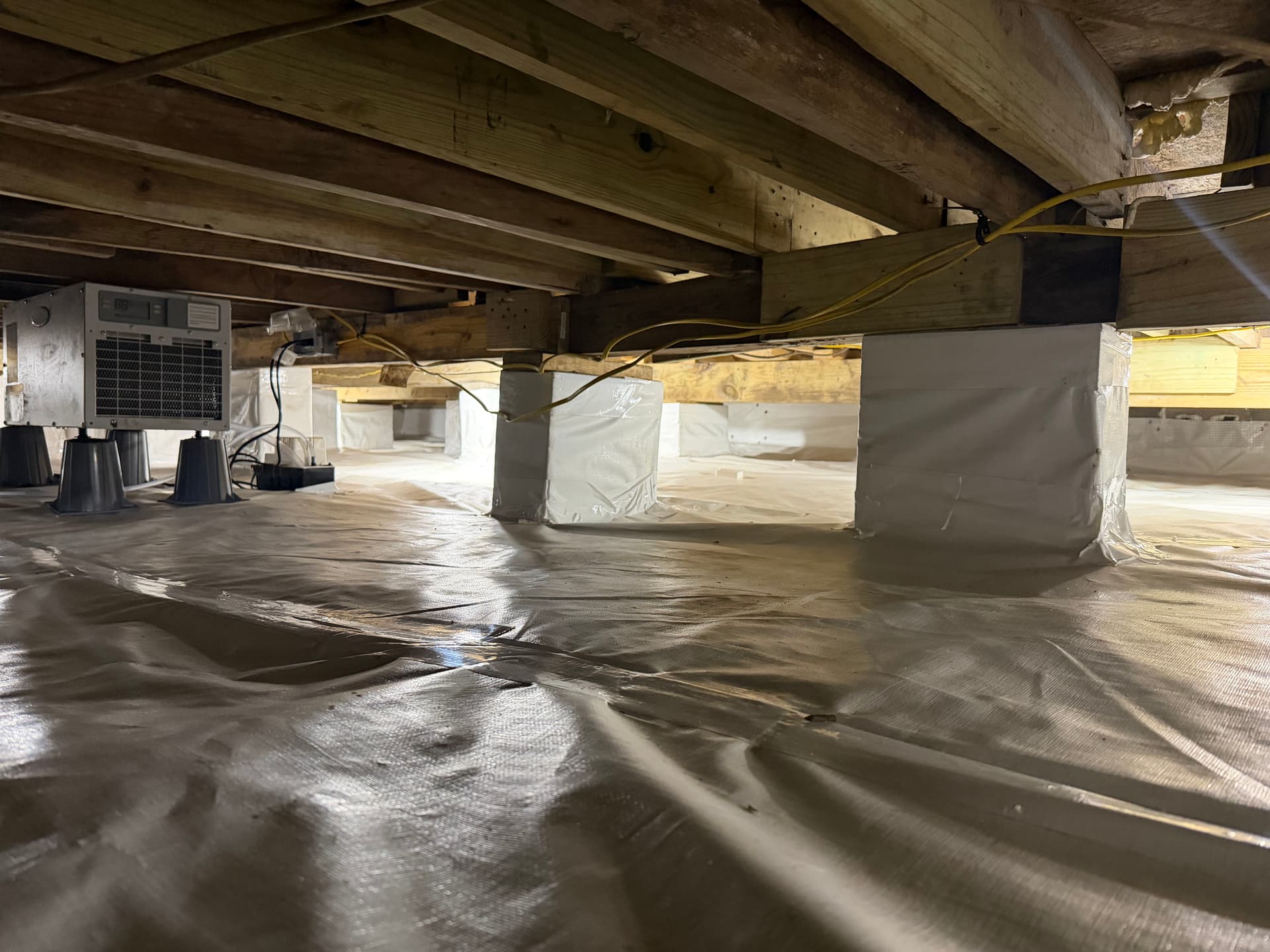
This Grand Bay home is a good example of what a properly done crawl space encapsulation looks like start to finish. We ran vapor barrier material across the entire floor and up the foundation walls, wrapping each pier to cut off moisture at every angle. The barrier isn't just thrown down - it's sealed and fitted so there aren't gaps where ground moisture can sneak through.
The liner alone does a lot of the heavy lifting, but it's not the whole solution. That's why we also installed a dedicated crawl space dehumidifier. It pulls excess moisture out of the air inside the encapsulated space and keeps humidity levels in check on an ongoing basis. Without it, you can still end up with elevated humidity inside the barrier, especially in a climate like this one.
What you end up with is a crawl space that's clean, dry, and actually protected - not just covered. The wood framing overhead stays healthier. The air quality inside the living space improves. And the structure of the home has a much better chance of holding up long term. It's one of the best investments you can make in a home down here.
If your crawl space has that damp, earthy smell or you just haven't looked under your house in a while, it's worth getting eyes on it. Moisture problems don't get better on their own.