Why Spray Foam on Your Floor Joists Is a Crawl Space Mistake
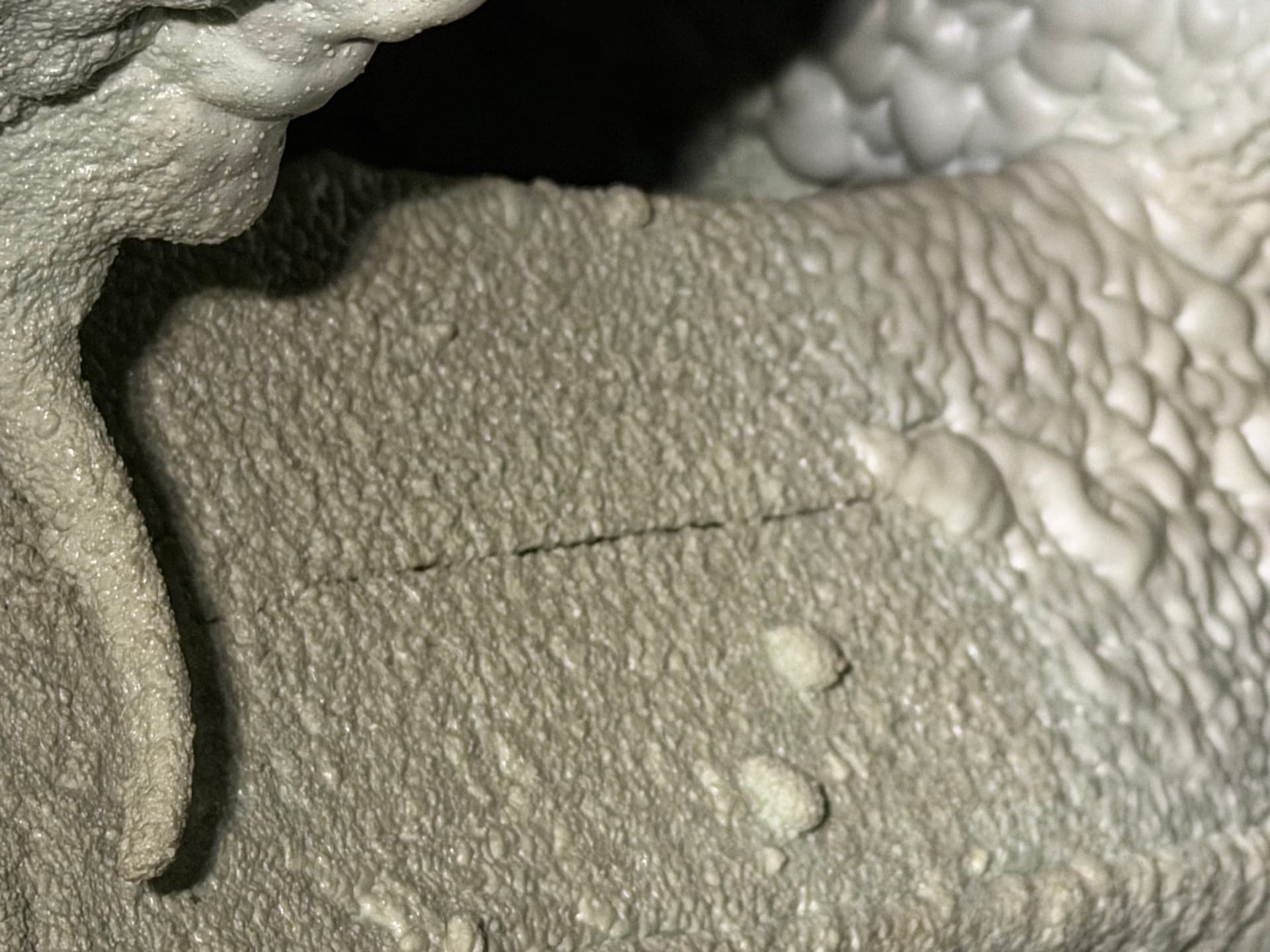
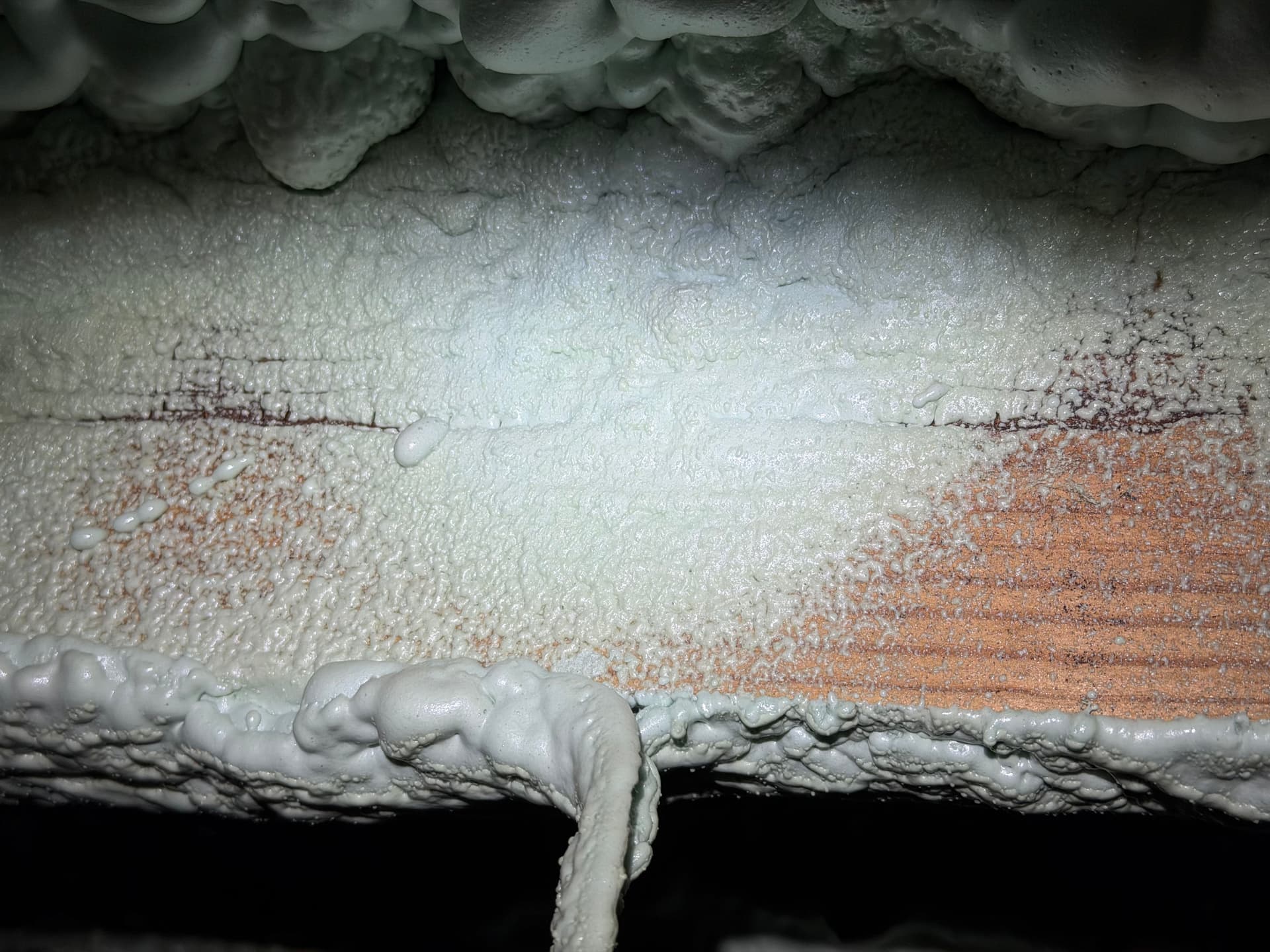
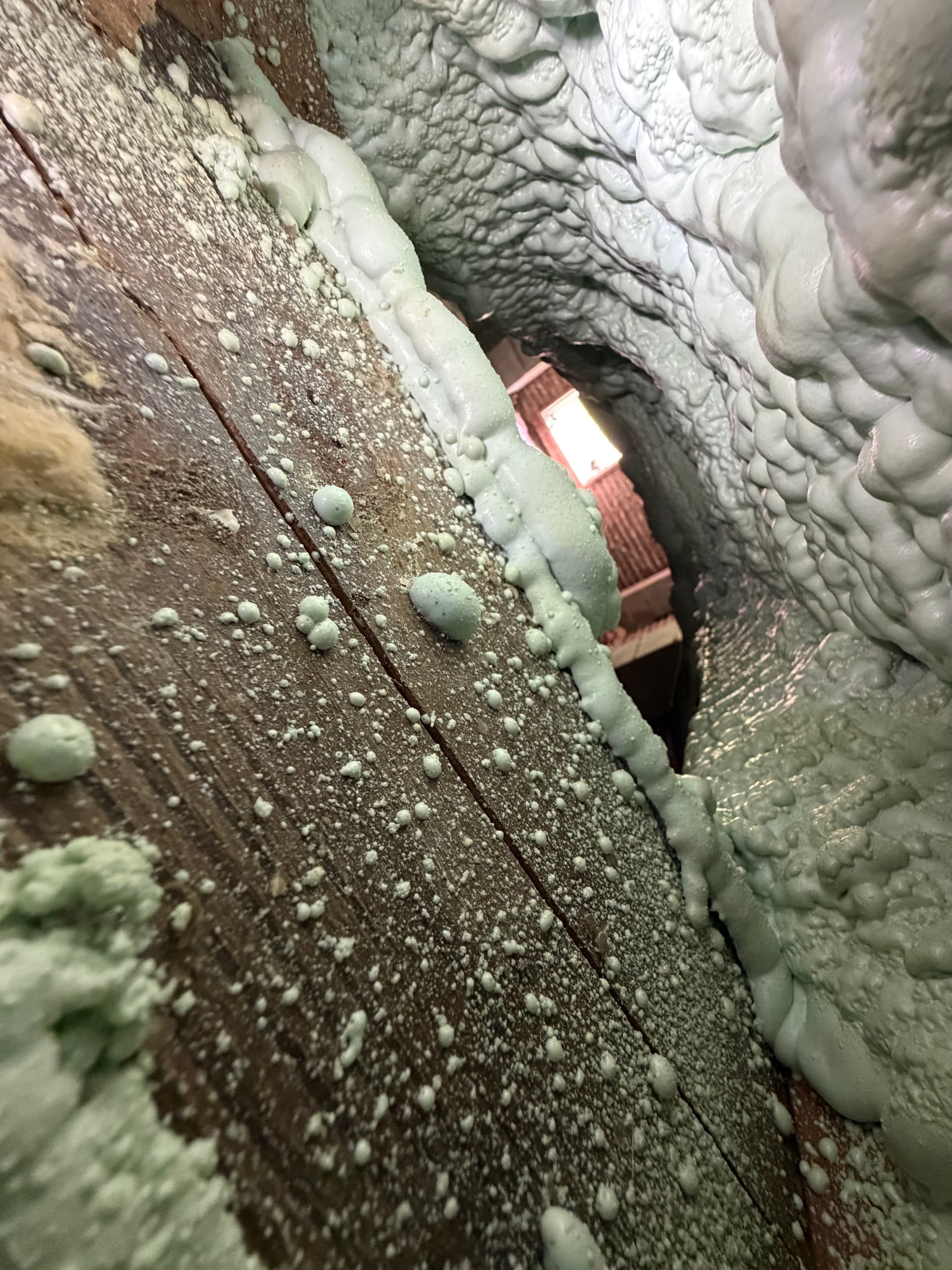
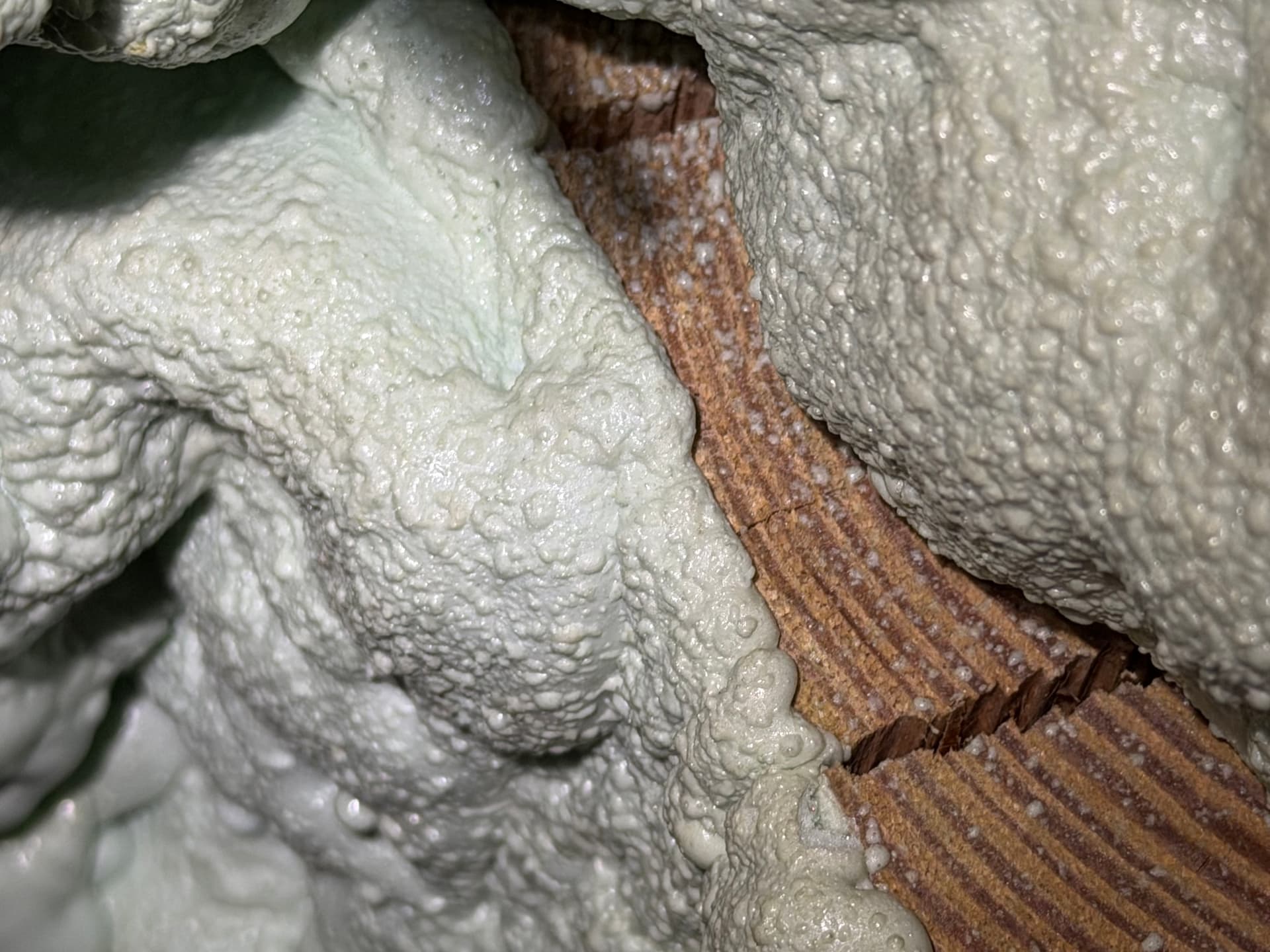
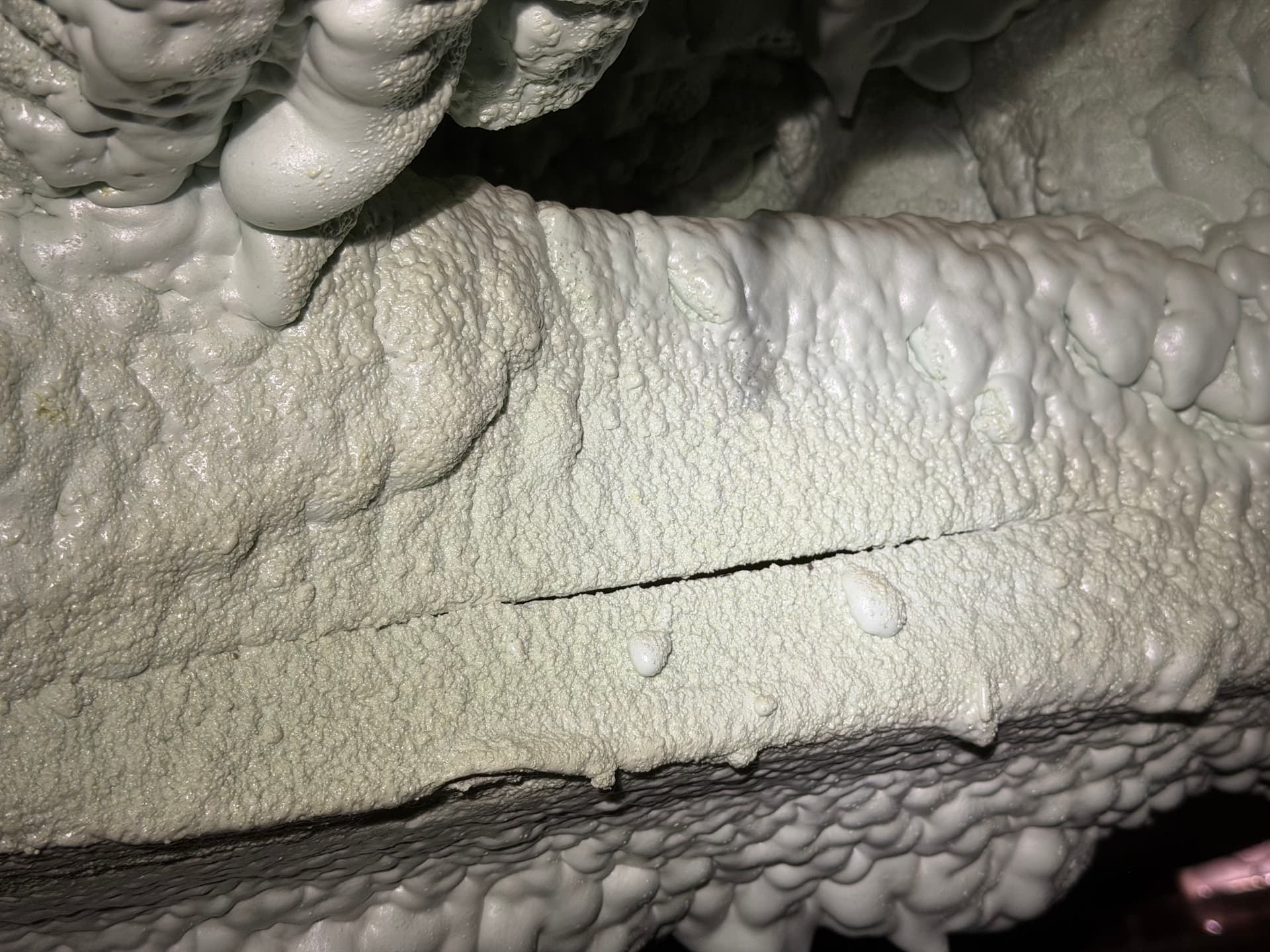
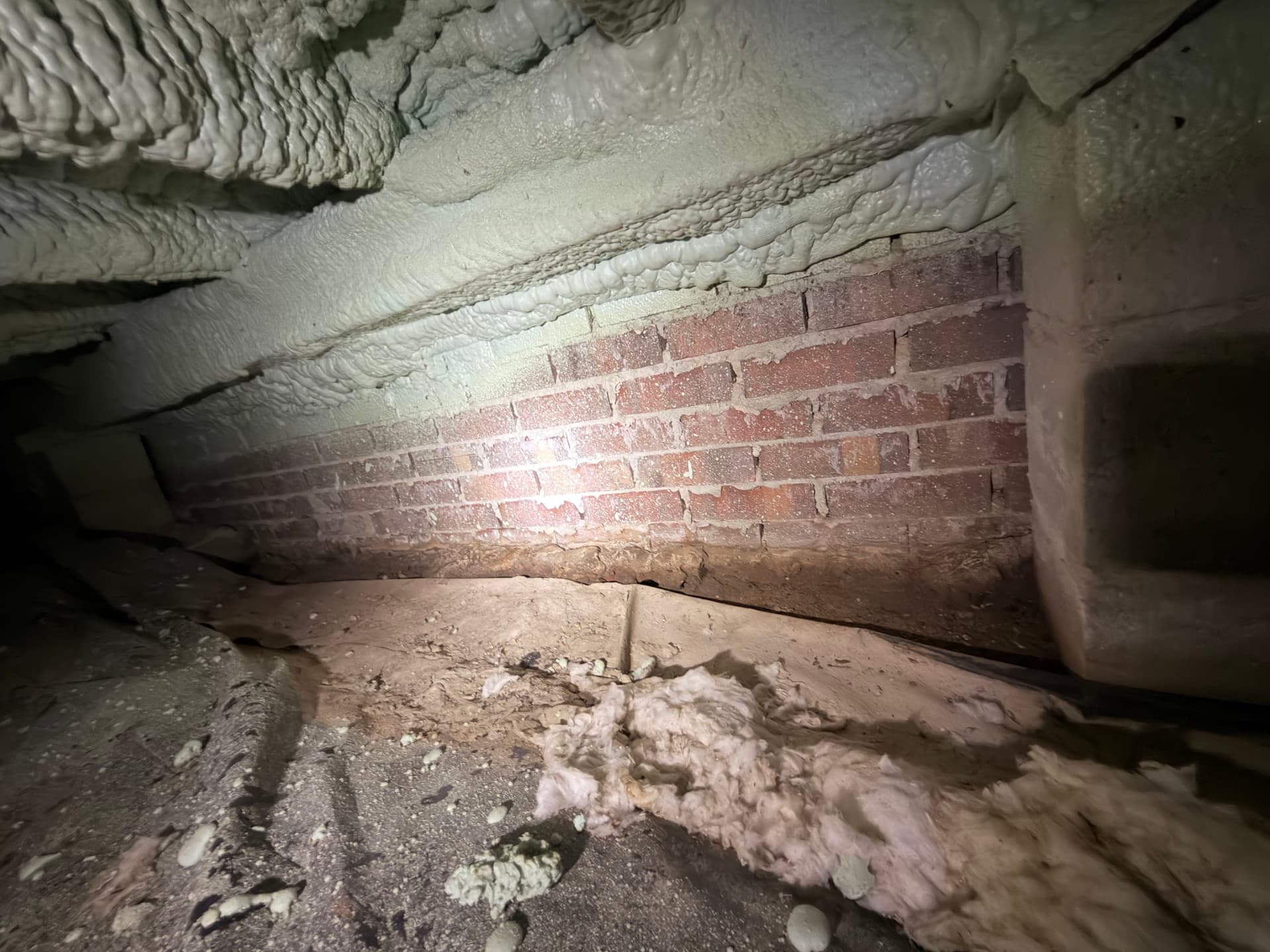
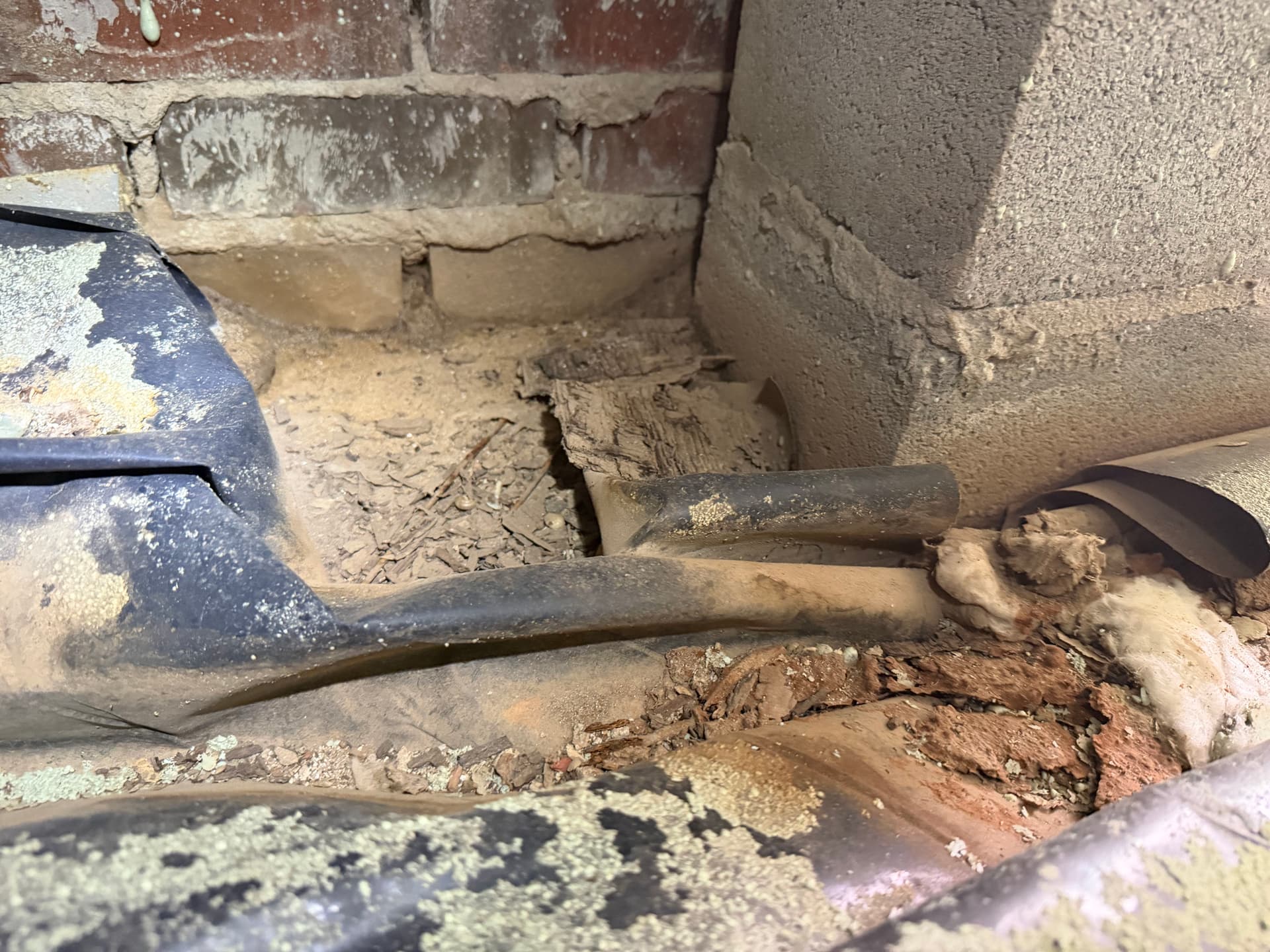
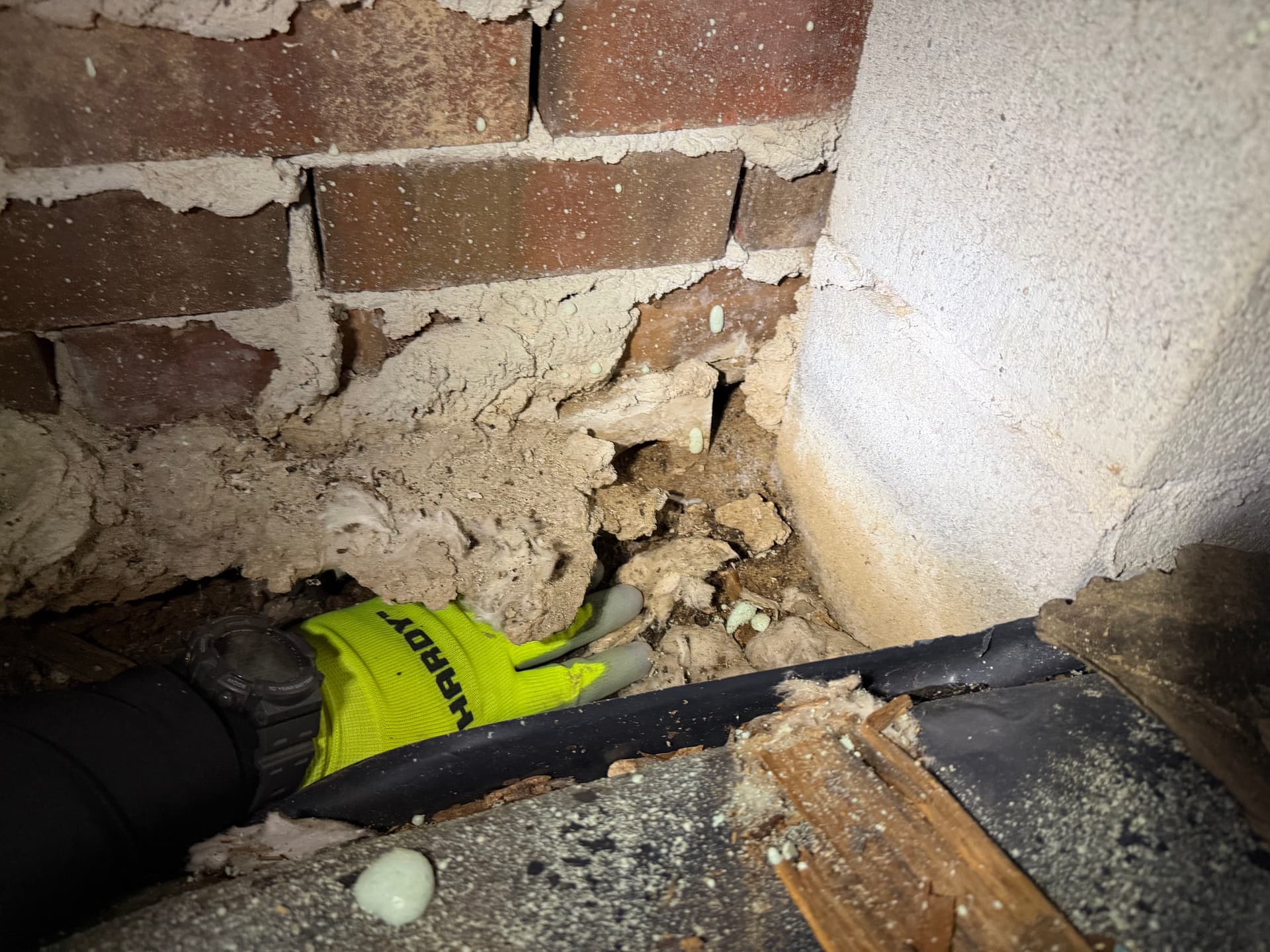
Here's something we see more often than we'd like - spray foam applied directly to the bottom of floor joists in a crawl space. It sounds like a reasonable insulation fix on the surface. But in reality, it can be one of the worst things you can do to the wood structure holding up your home.
The problem is simple. Spray foam is airtight. When you coat the underside of wood floor joists with it, any moisture that gets into that wood has nowhere to go. It sits. It stays. And over time, it breaks down the wood from the inside out. You can see exactly what that looks like here - dark staining along joists, deteriorating wood grain, and foam that's separating and cracking right where it contacts the lumber. That's not insulation doing its job. That's moisture damage hiding underneath a coat of foam.
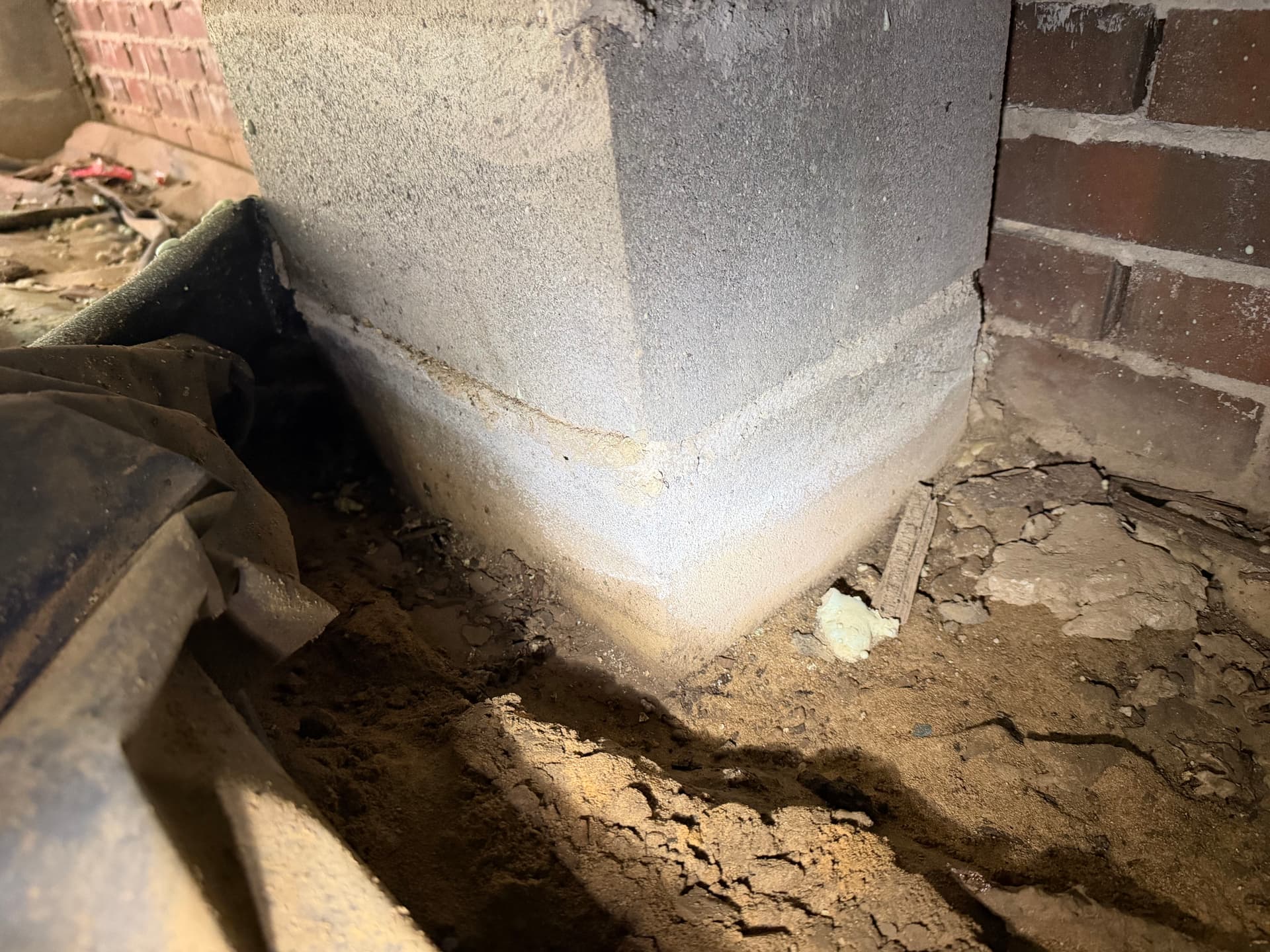
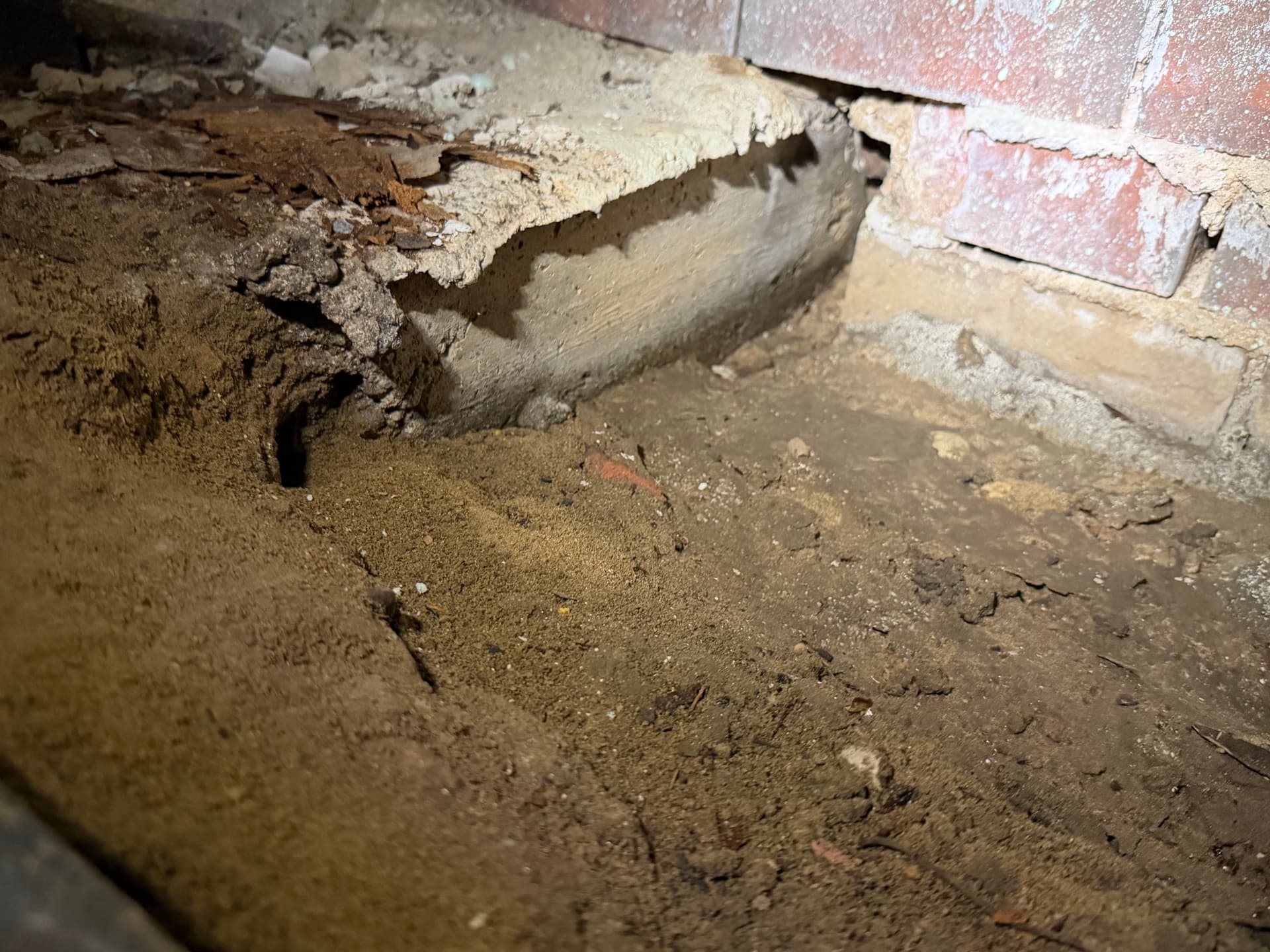
What we also found during this assessment was a crawl space that had other serious problems going on at the same time. Crumbling mortar, exposed bare dirt, old failing vapor barrier material, and foundation walls showing signs of long-term moisture exposure. This is what happens when a crawl space goes unaddressed for years - the issues stack on top of each other.
We're moving forward with a full scope of work at this Beulah, Florida home. The plan is to address the moisture issues the right way - not just cover them up. That means getting the spray foam off, properly treating any compromised wood, and installing a legitimate encapsulation system that manages moisture instead of trapping it.
If your crawl space has had spray foam applied to the floor joists, or if you just haven't had it looked at in a while, it's worth getting a professional set of eyes down there. What you can't see is usually what causes the most damage.