What a Crawl Space Inspection Found in Monroeville and Loxley
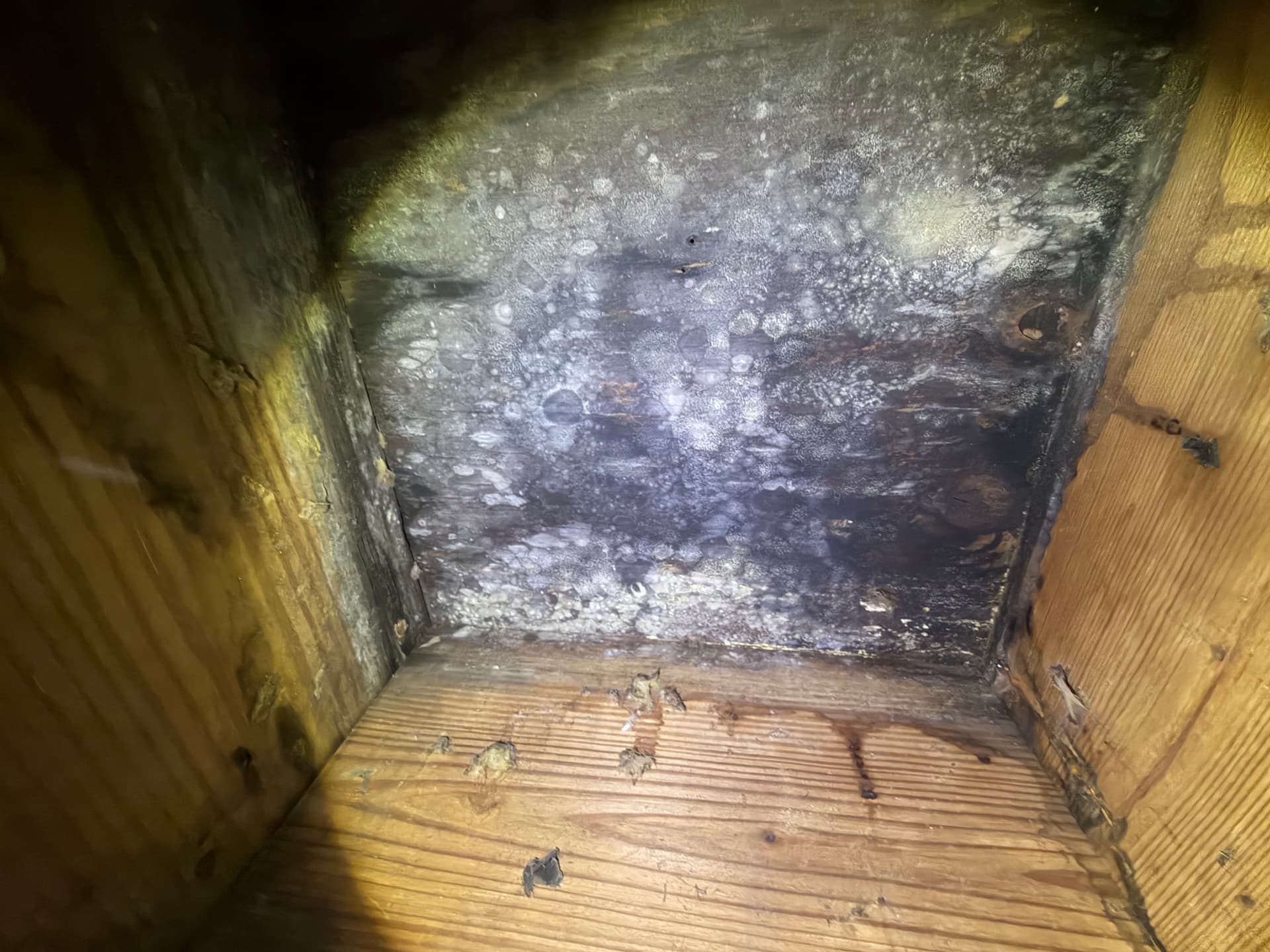
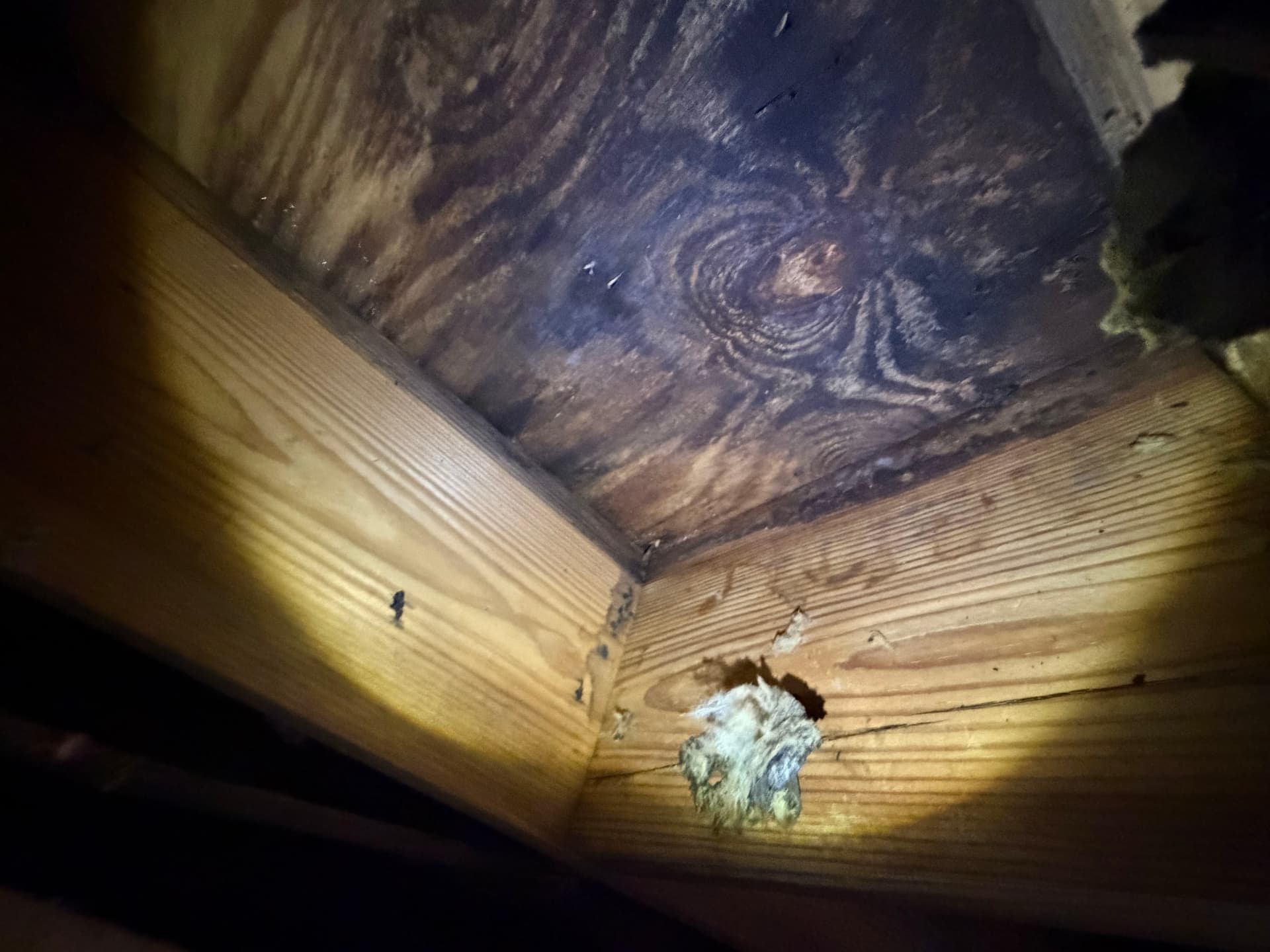
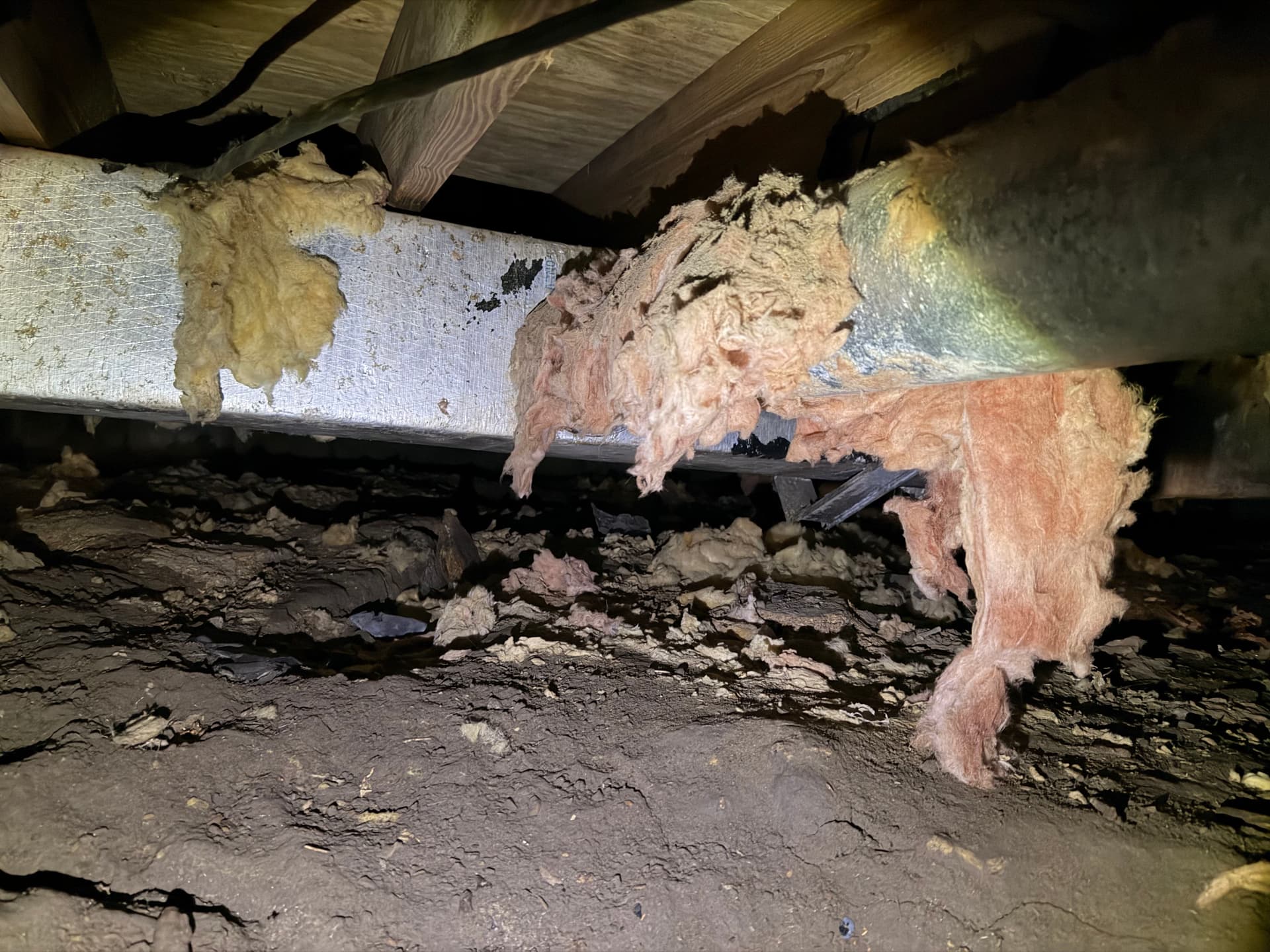
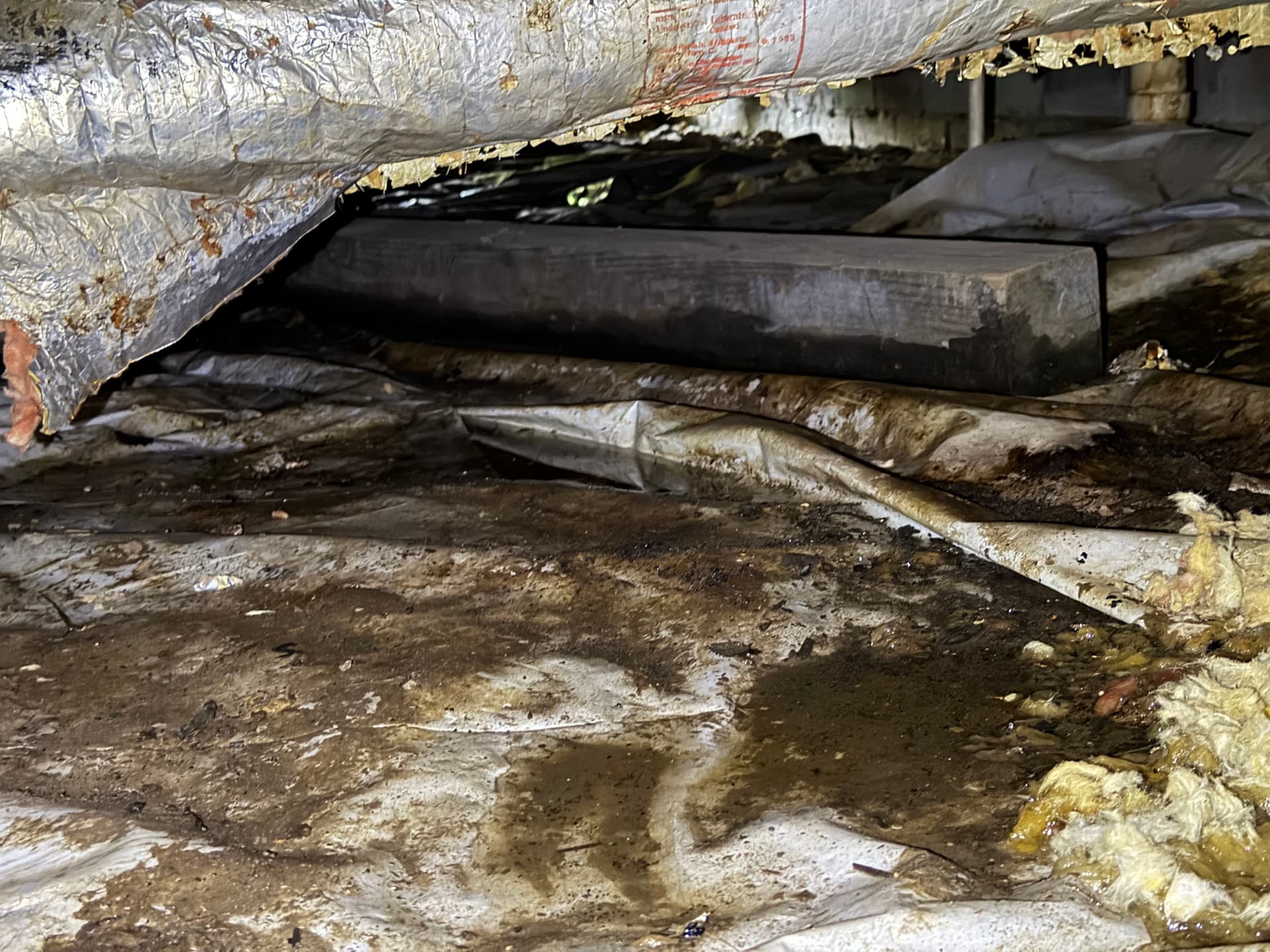
Most homeowners never go under their house. And honestly, that's exactly how problems like these go unnoticed for years. Moisture builds up, wood starts to degrade, insulation falls apart, and the whole time - nothing feels wrong from inside the house. No soft floors, no weird smells, no obvious signs. Just slow, steady damage working away underneath you.
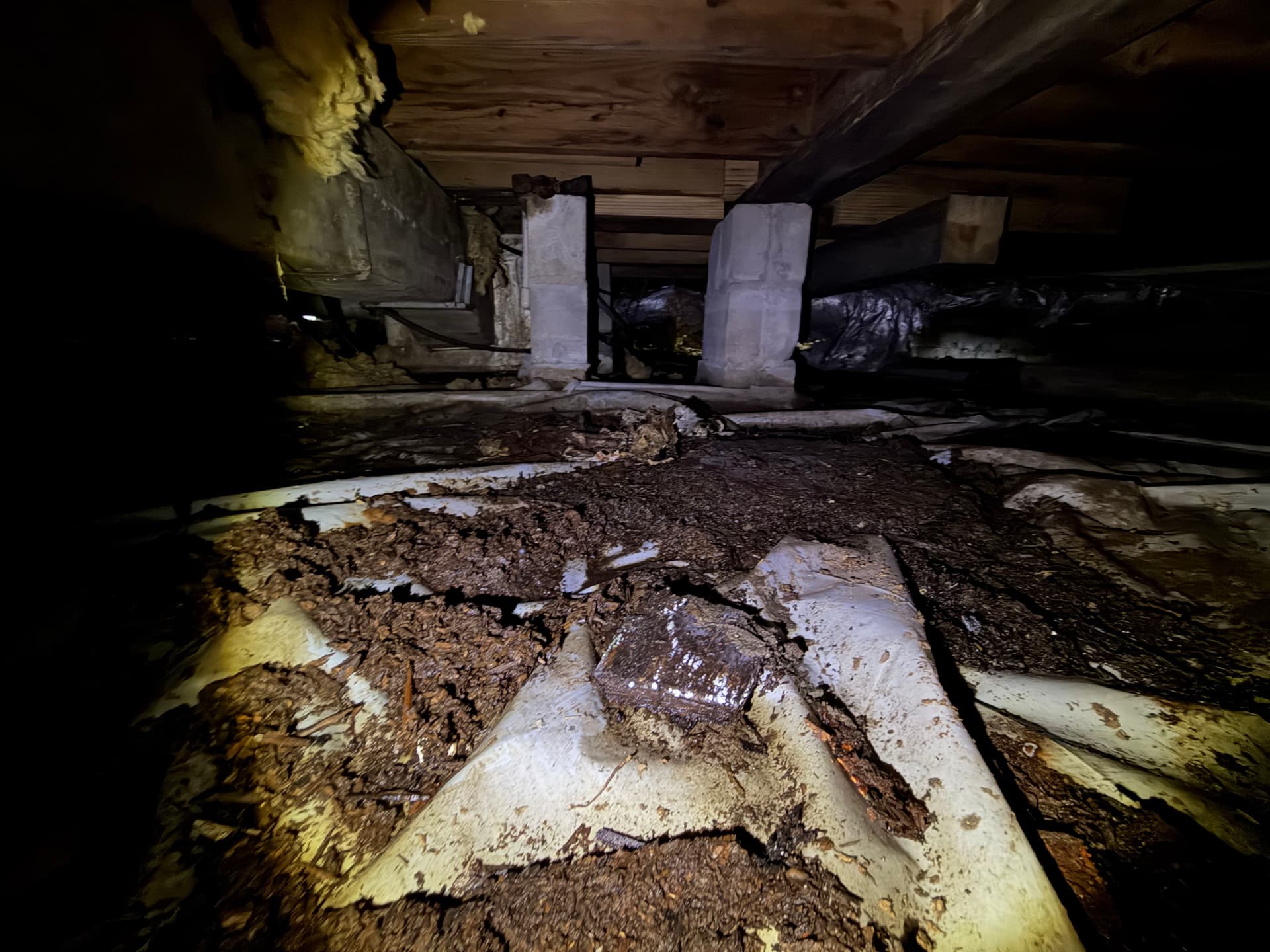
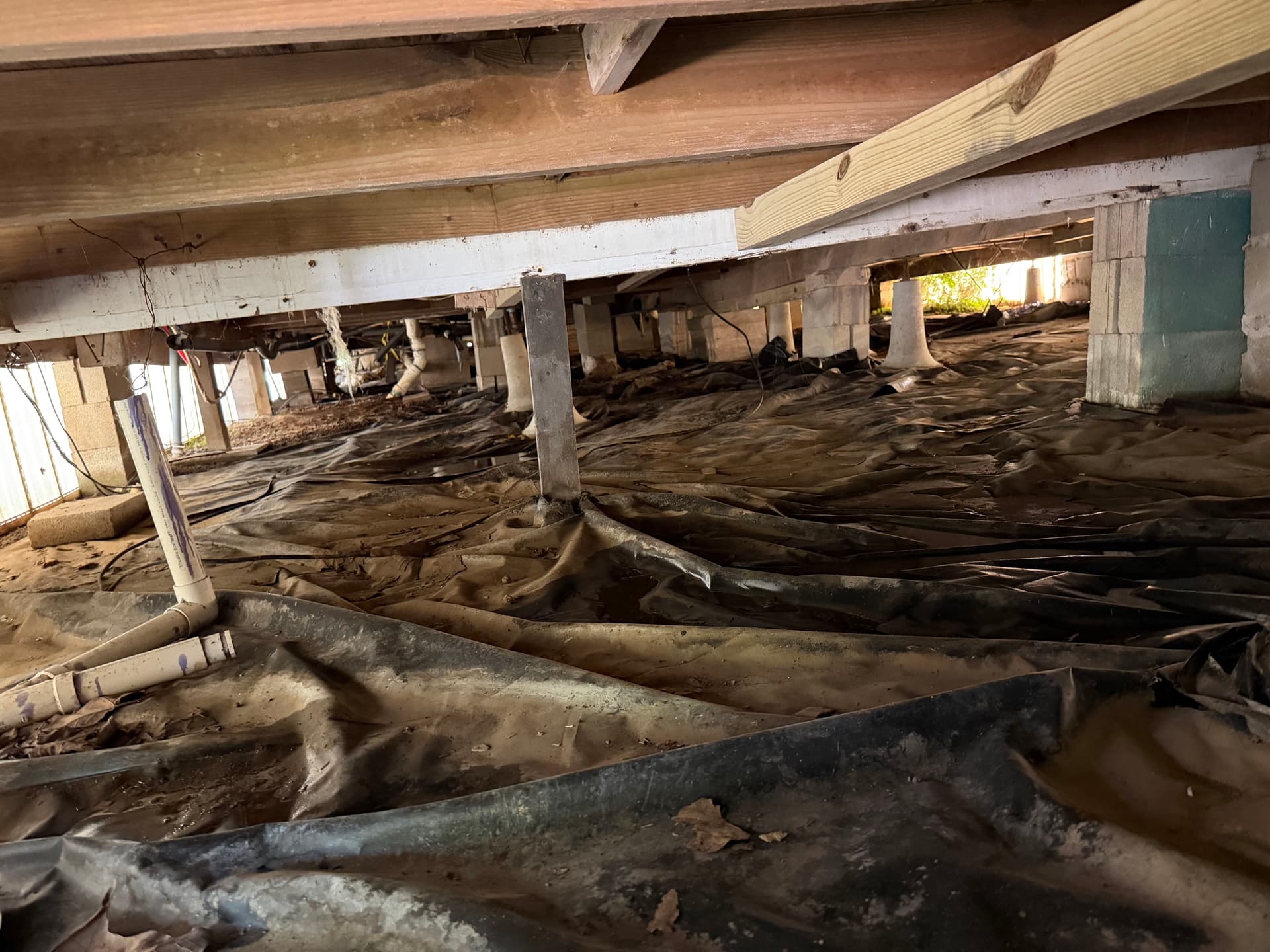
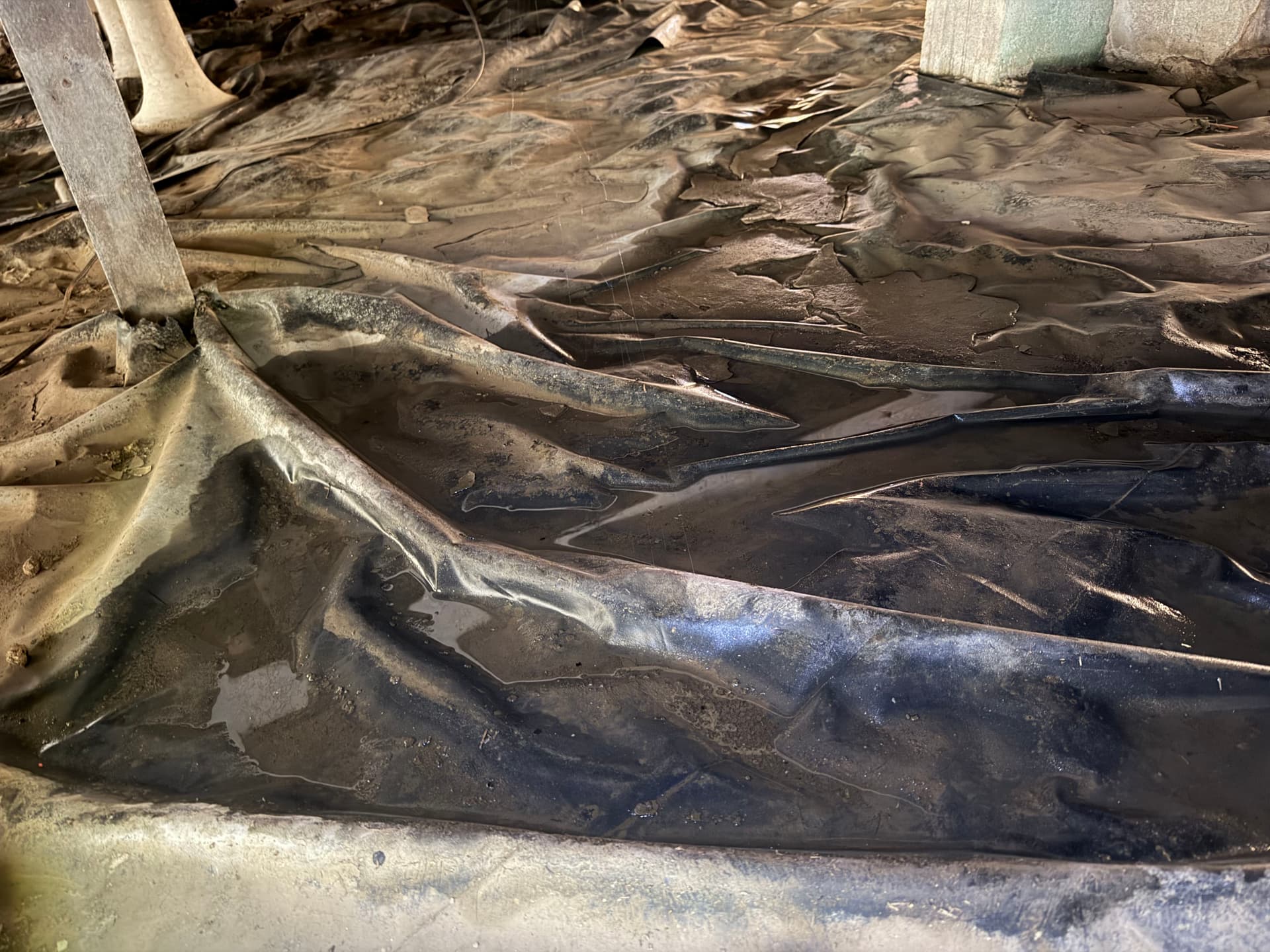
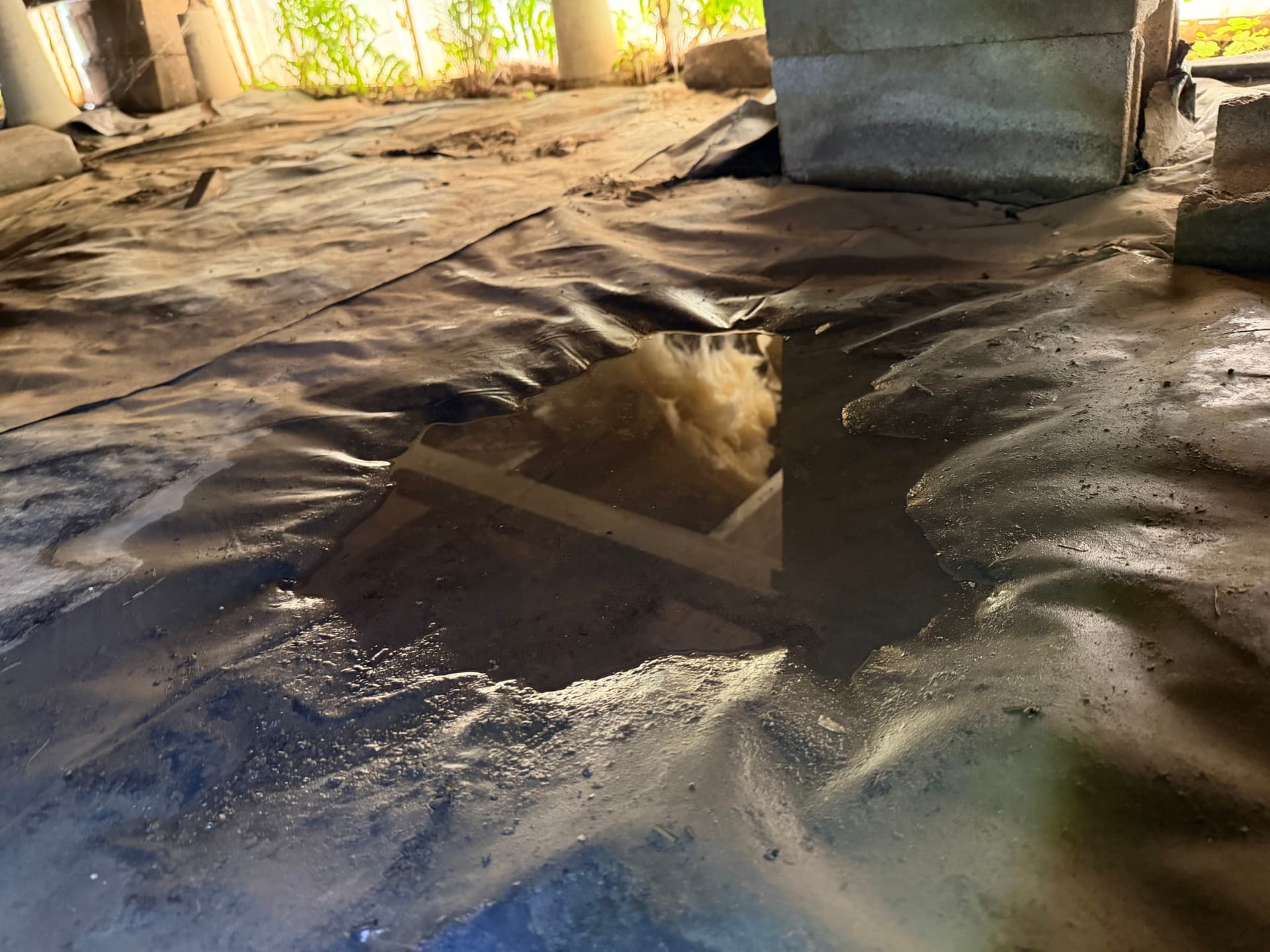
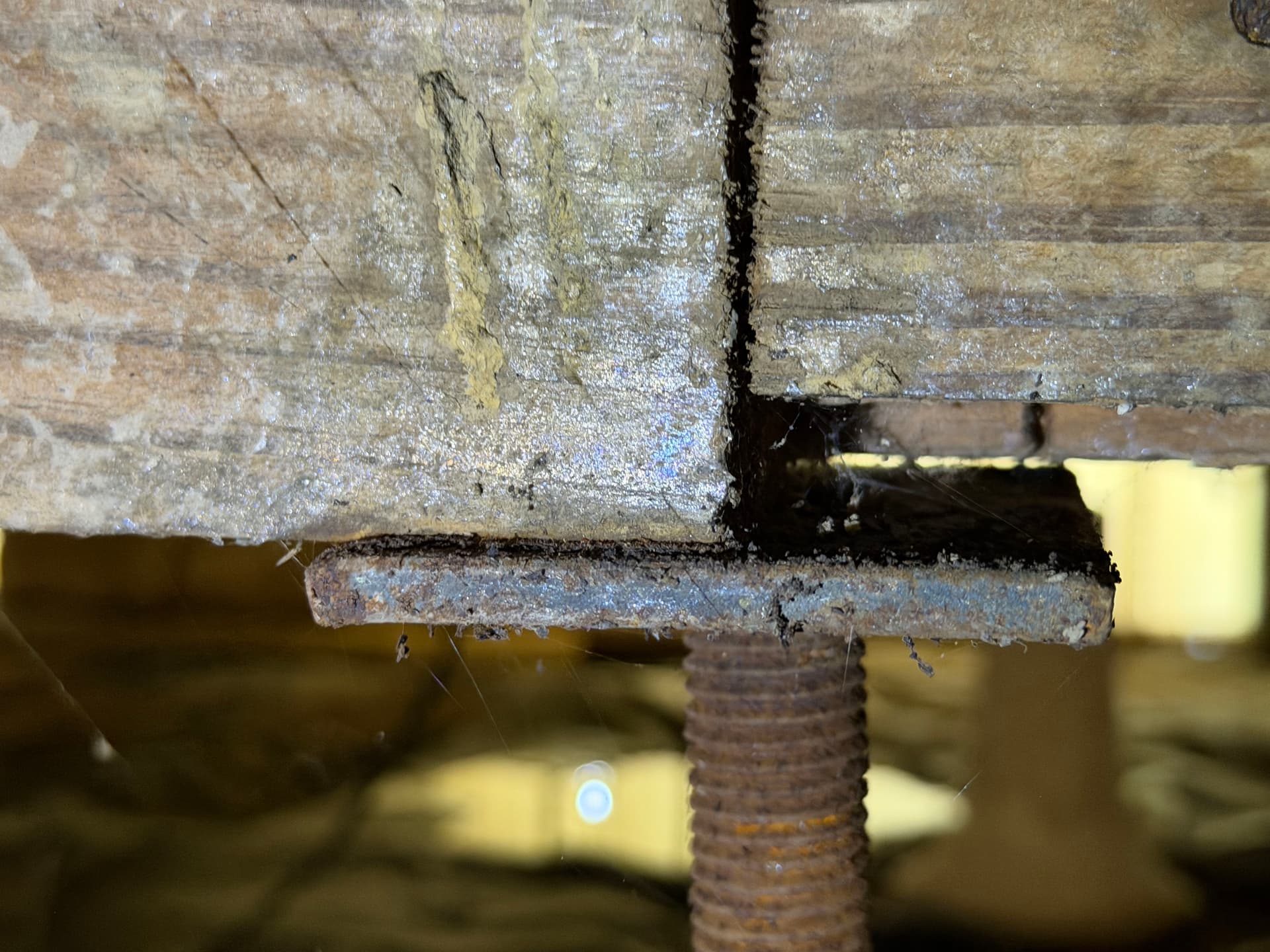
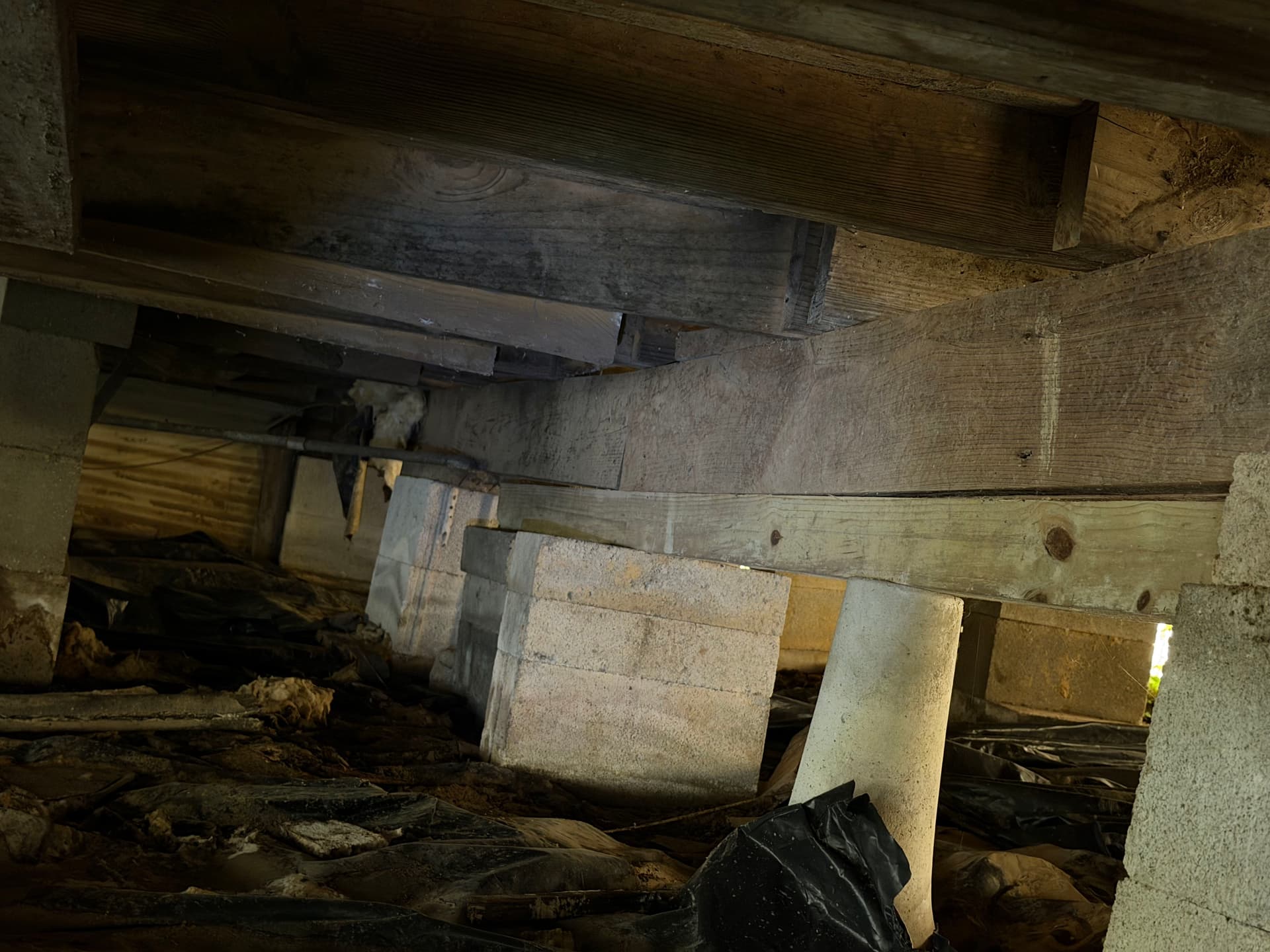
What we found during recent inspections in Monroeville and Loxley was a pretty clear picture of what unchecked moisture does over time. Fungal growth spread across floor joists and subfloor wood. Insulation that had absorbed so much moisture it had completely lost its shape and fallen away from the framing. Old vapor barriers that were torn, bunched up, and sitting under standing water instead of actually doing their job. Rusty structural hardware. It adds up fast.
Here's the thing about vapor barriers - a thin plastic sheet loosely laid on the ground is not a moisture control solution. When it's not properly installed, sealed, and maintained, ground moisture moves right through gaps and into the wood above it. What we look for during an inspection is not just whether a barrier exists, but whether it's actually working. In these cases, it clearly wasn't.
Fungus and wood rot on structural framing members is a serious issue. It's not just cosmetic. When that wood loses its integrity, it affects the structural support holding up your floors and walls. Catching it at the inspection stage - before it reaches that point - is a completely different repair conversation than catching it after the damage is done.
If you have a crawl space and you haven't had it looked at recently, this is what we'd encourage you to think about. A proper crawl space inspection takes the guesswork out of it. We get under there, document what we find, and give you a straight answer on what's going on - whether it's moisture remediation, fungus removal, a new vapor barrier installation, or something more involved with the structure itself.