1. Home
  2. Projects
  3. Nearly 400 Miles Across the Gulf Coast Finding Crawl Space Problems

Nearly 400 Miles Across the Gulf Coast Finding Crawl Space Problems

Nearly 400 Miles Across the Gulf Coast Finding Crawl Space Problems image
Gallery photos for Nearly 400 Miles Across the Gulf Coast Finding Crawl Space Problems: Image #1Gallery photos for Nearly 400 Miles Across the Gulf Coast Finding Crawl Space Problems: Image #2Gallery photos for Nearly 400 Miles Across the Gulf Coast Finding Crawl Space Problems: Image #3Gallery photos for Nearly 400 Miles Across the Gulf Coast Finding Crawl Space Problems: Image #4Gallery photos for Nearly 400 Miles Across the Gulf Coast Finding Crawl Space Problems: Image #5Gallery photos for Nearly 400 Miles Across the Gulf Coast Finding Crawl Space Problems: Image #6Gallery photos for Nearly 400 Miles Across the Gulf Coast Finding Crawl Space Problems: Image #7Gallery photos for Nearly 400 Miles Across the Gulf Coast Finding Crawl Space Problems: Image #8

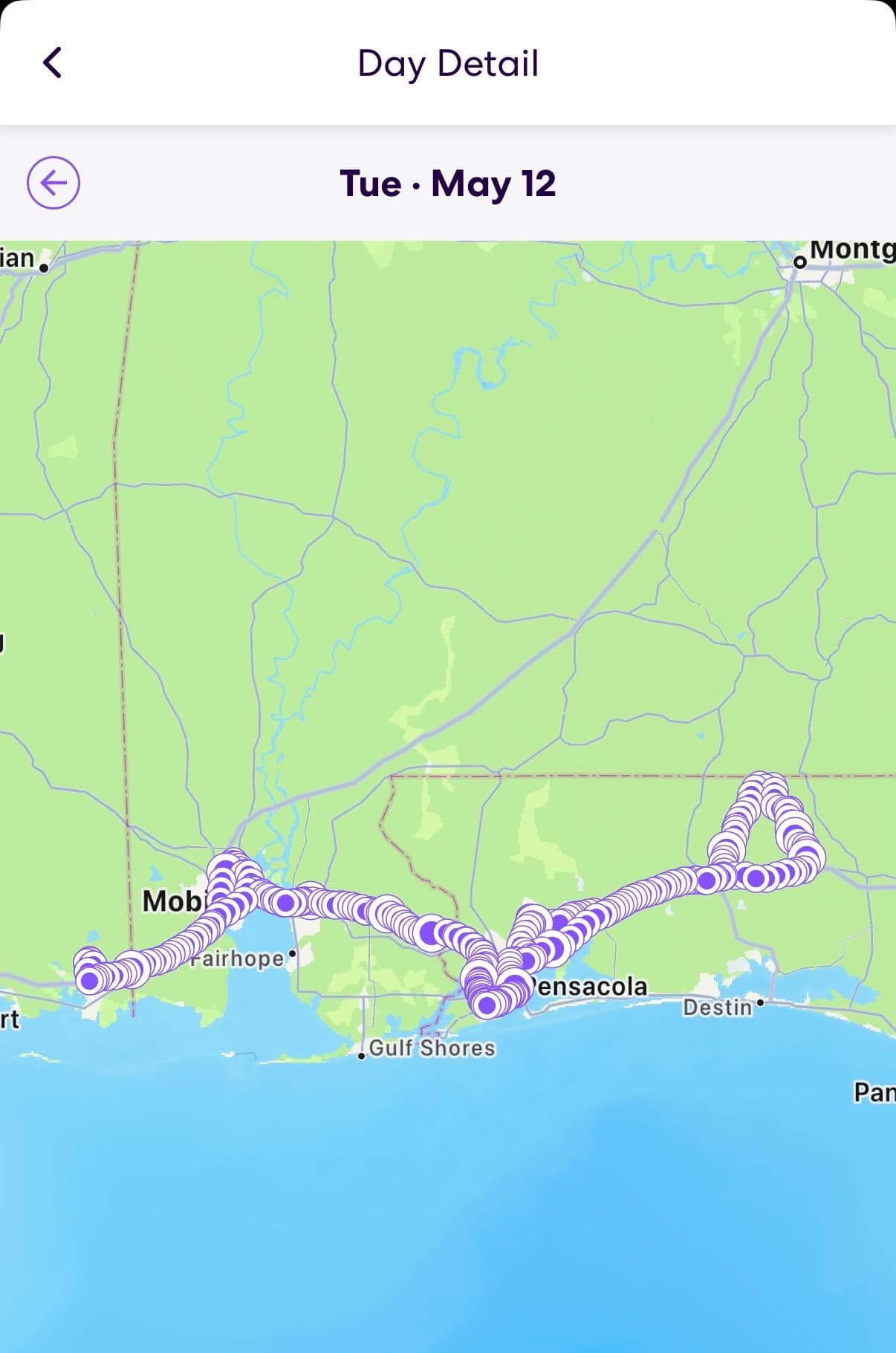
We covered a lot of ground - Pace FL, Laurel Hill FL, Chickasaw AL, and Moss Point MS all in a single day. Close to 400 miles driven. That kind of reach is intentional. Crawl space problems don't care what state you're in, and neither do we.

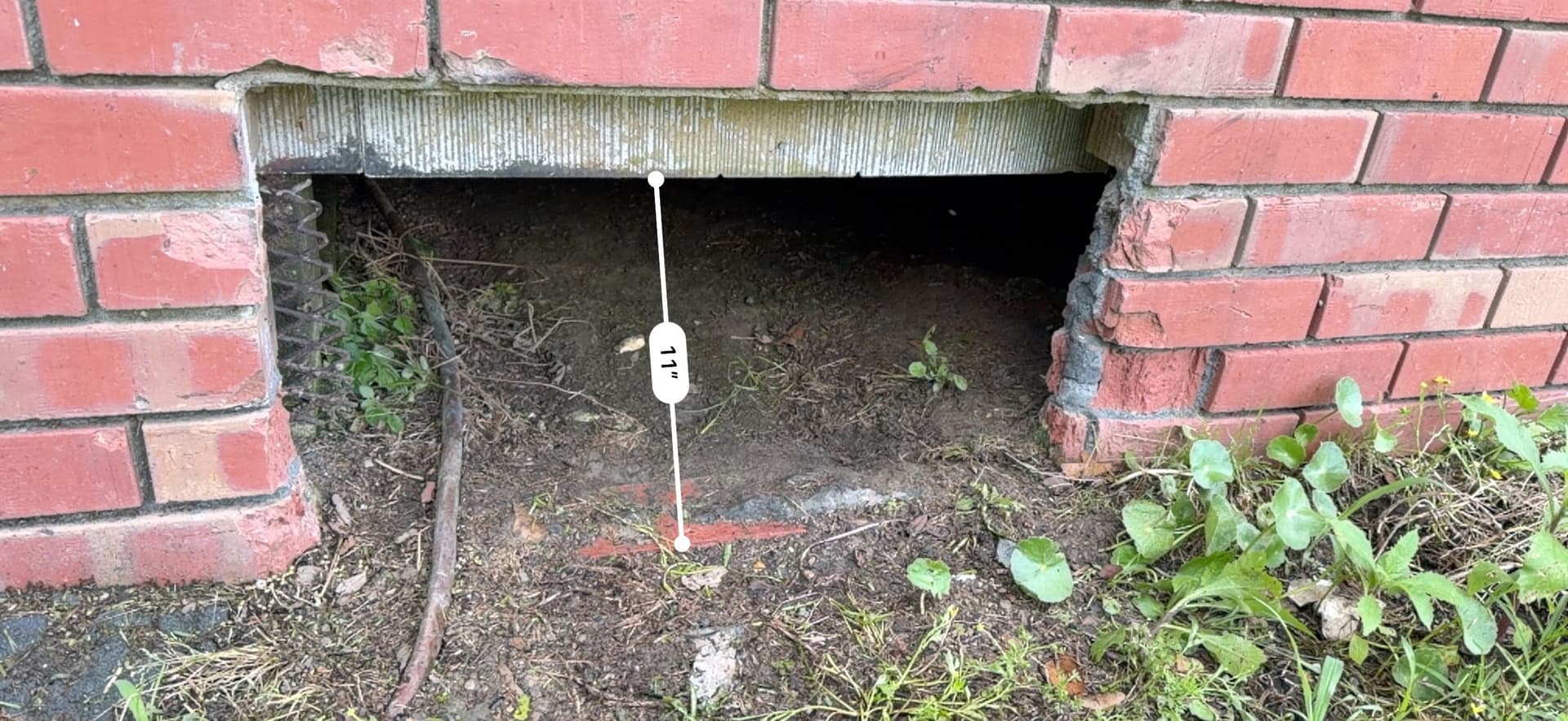
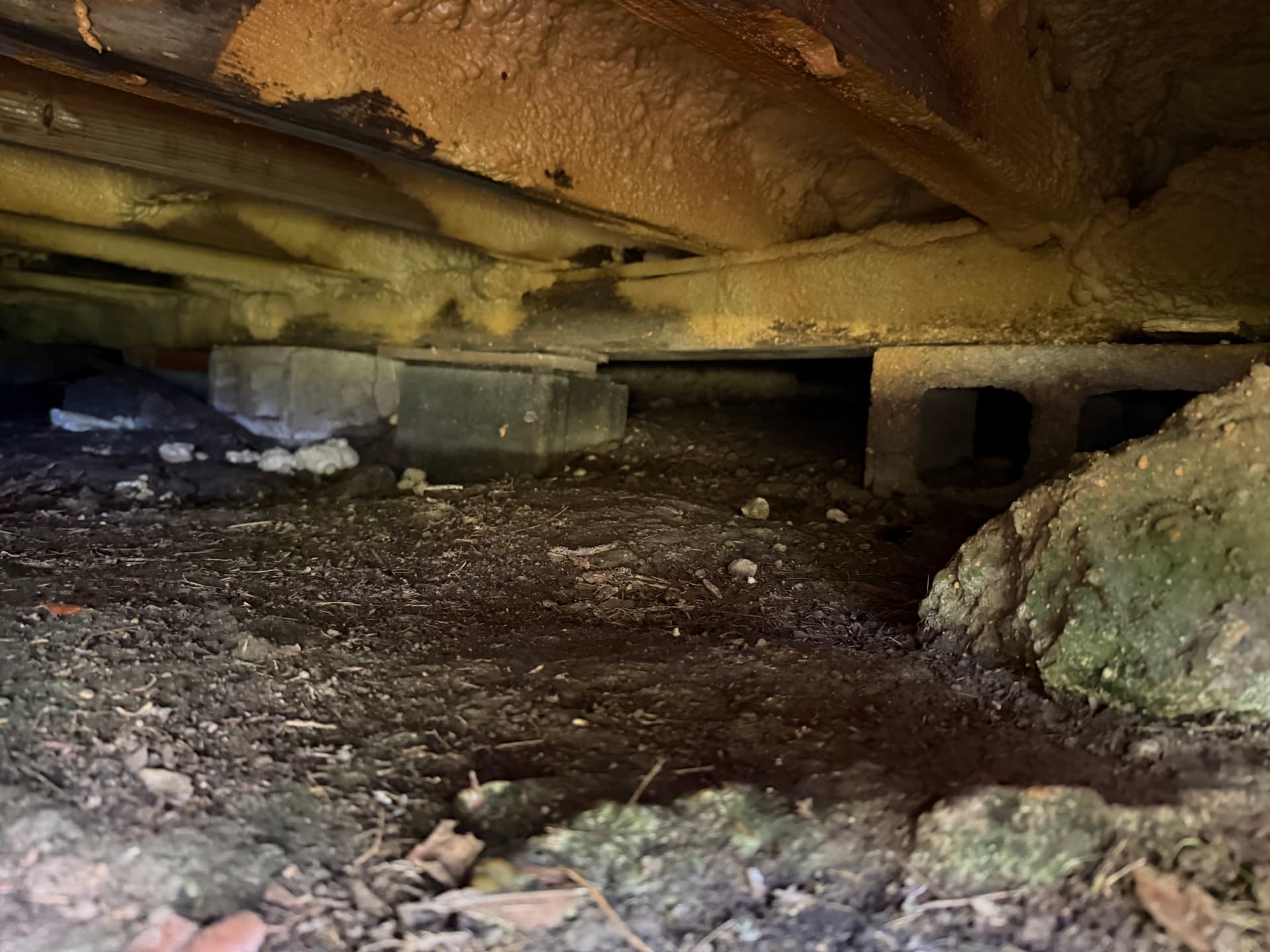
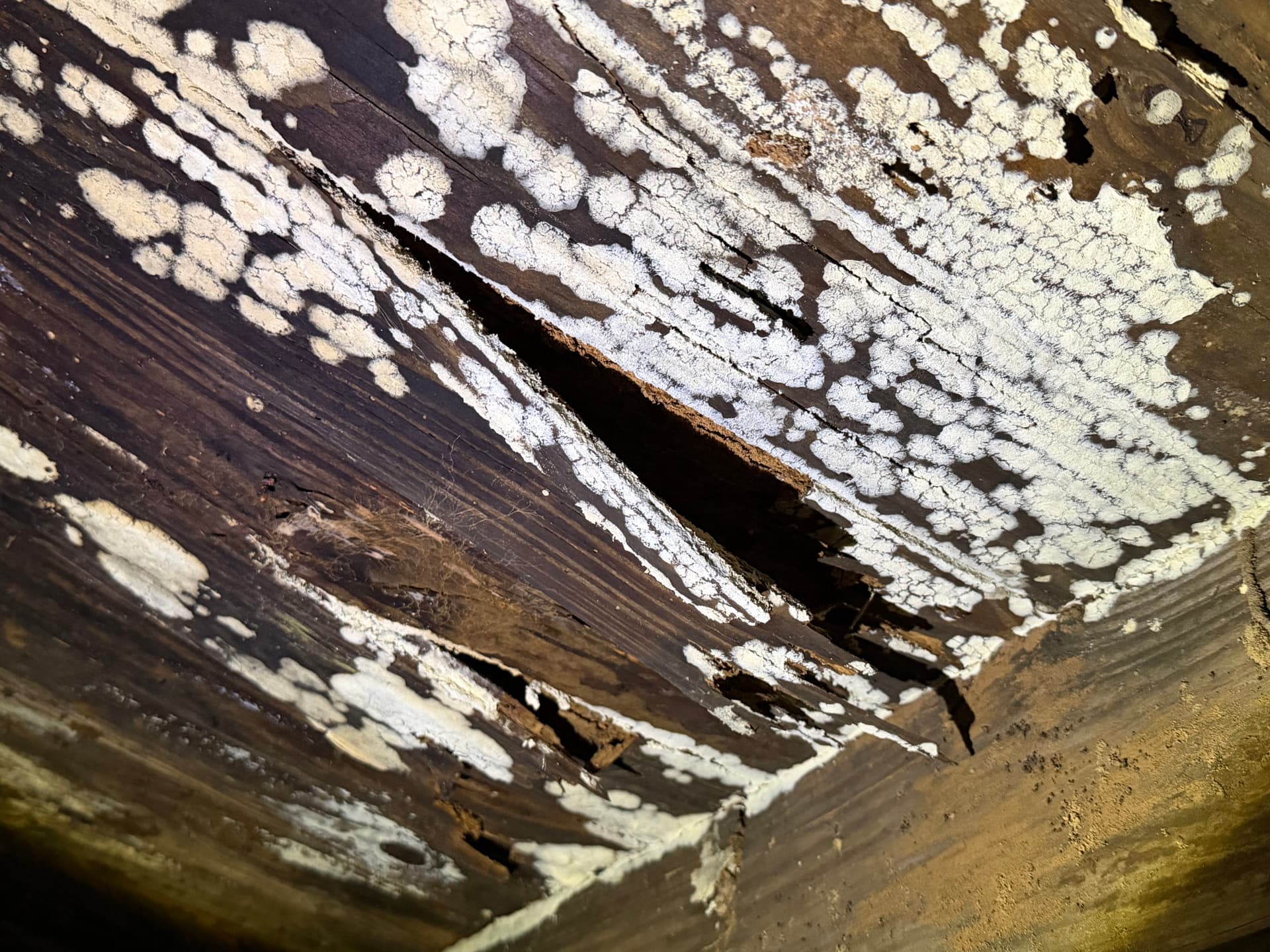
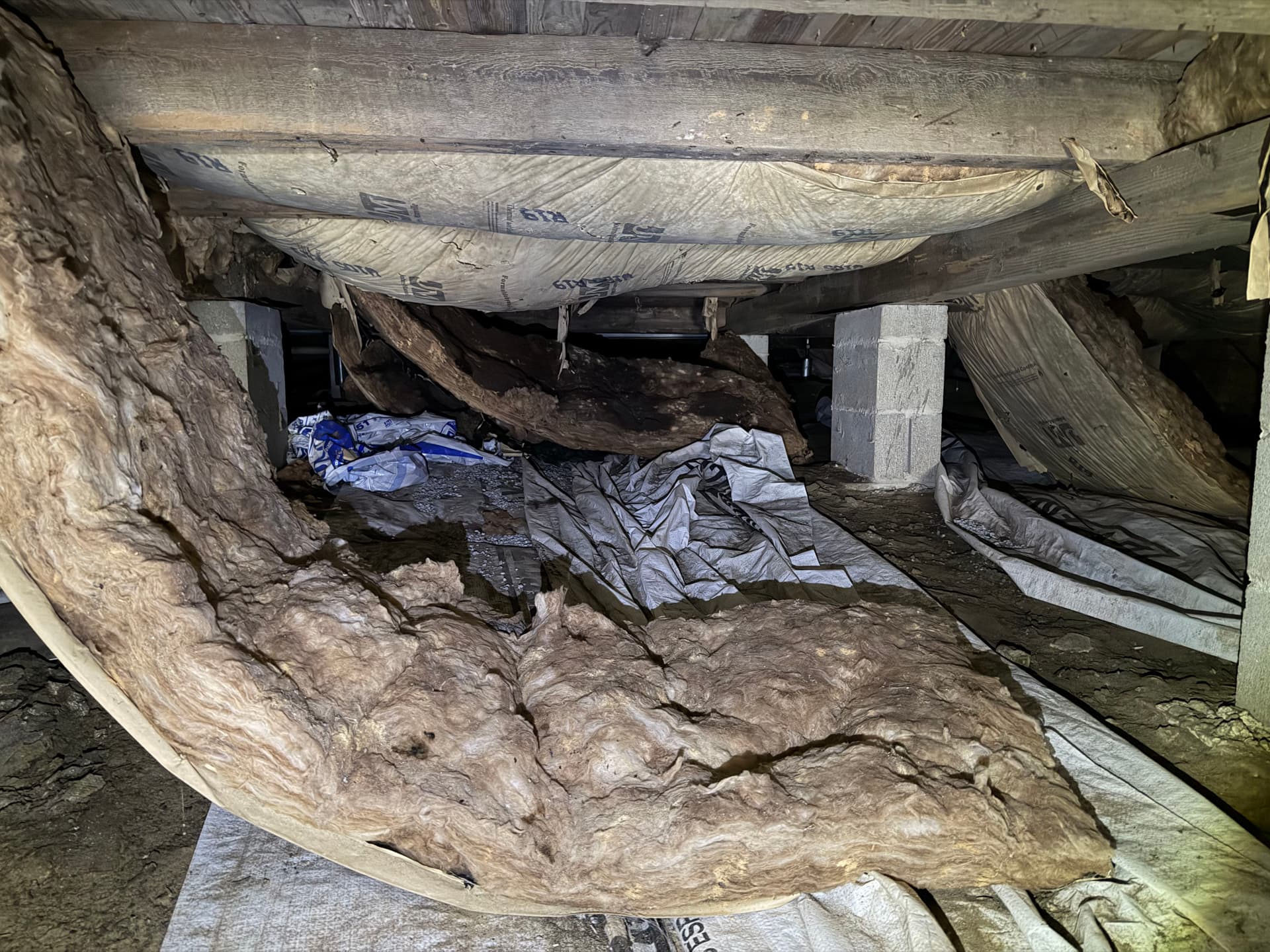
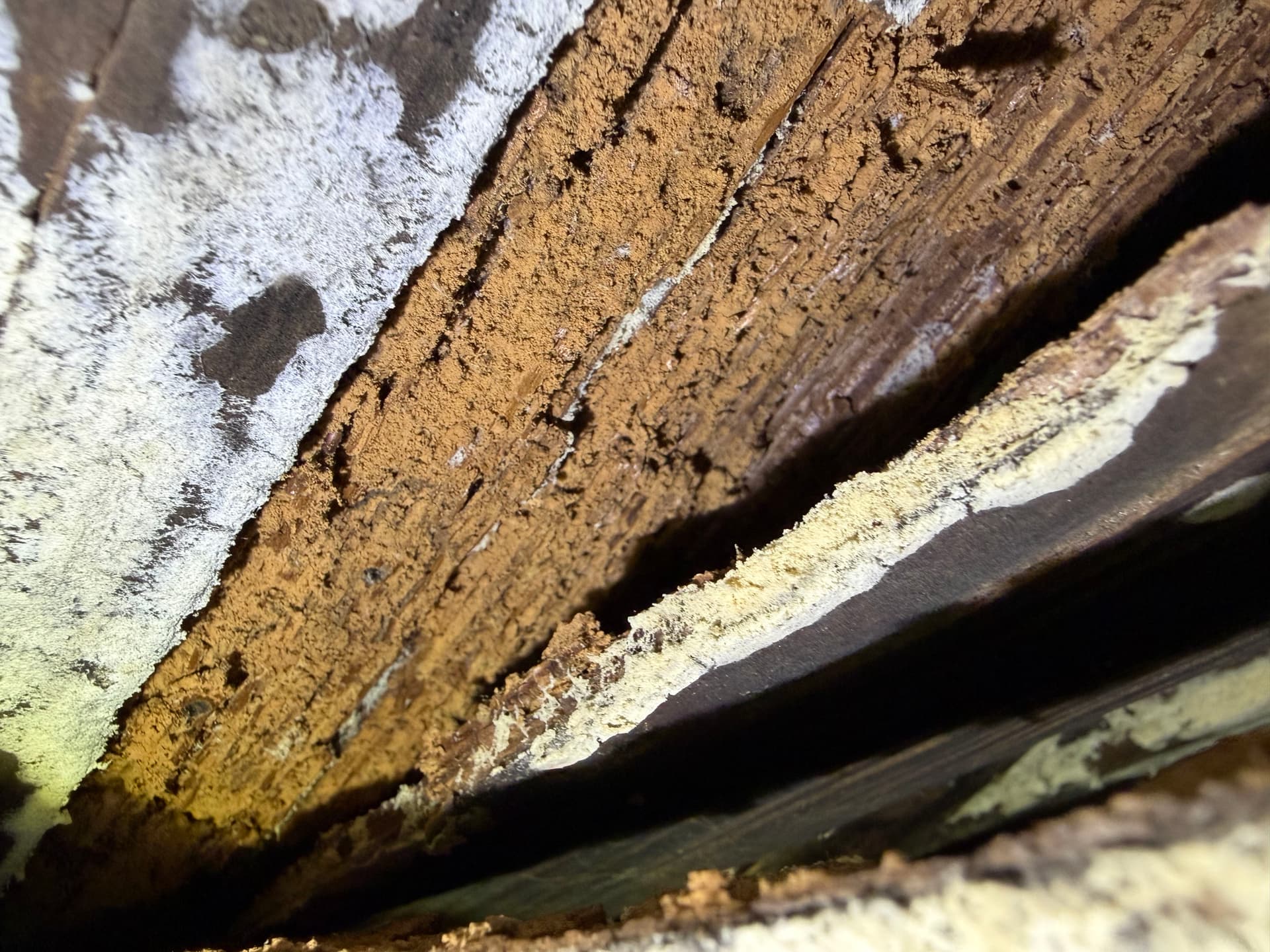
What we found at multiple homes tells the same story we see all across this region. Bare dirt floors with no vapor barrier, insulation that has fallen away from the floor system, and wood that has been sitting in elevated moisture long enough for fungus to take hold. The wood degradation we documented was serious - not surface-level discoloration, but deep structural breakdown where the fibers of the wood itself are separating and crumbling. That's what unchecked moisture does over time.

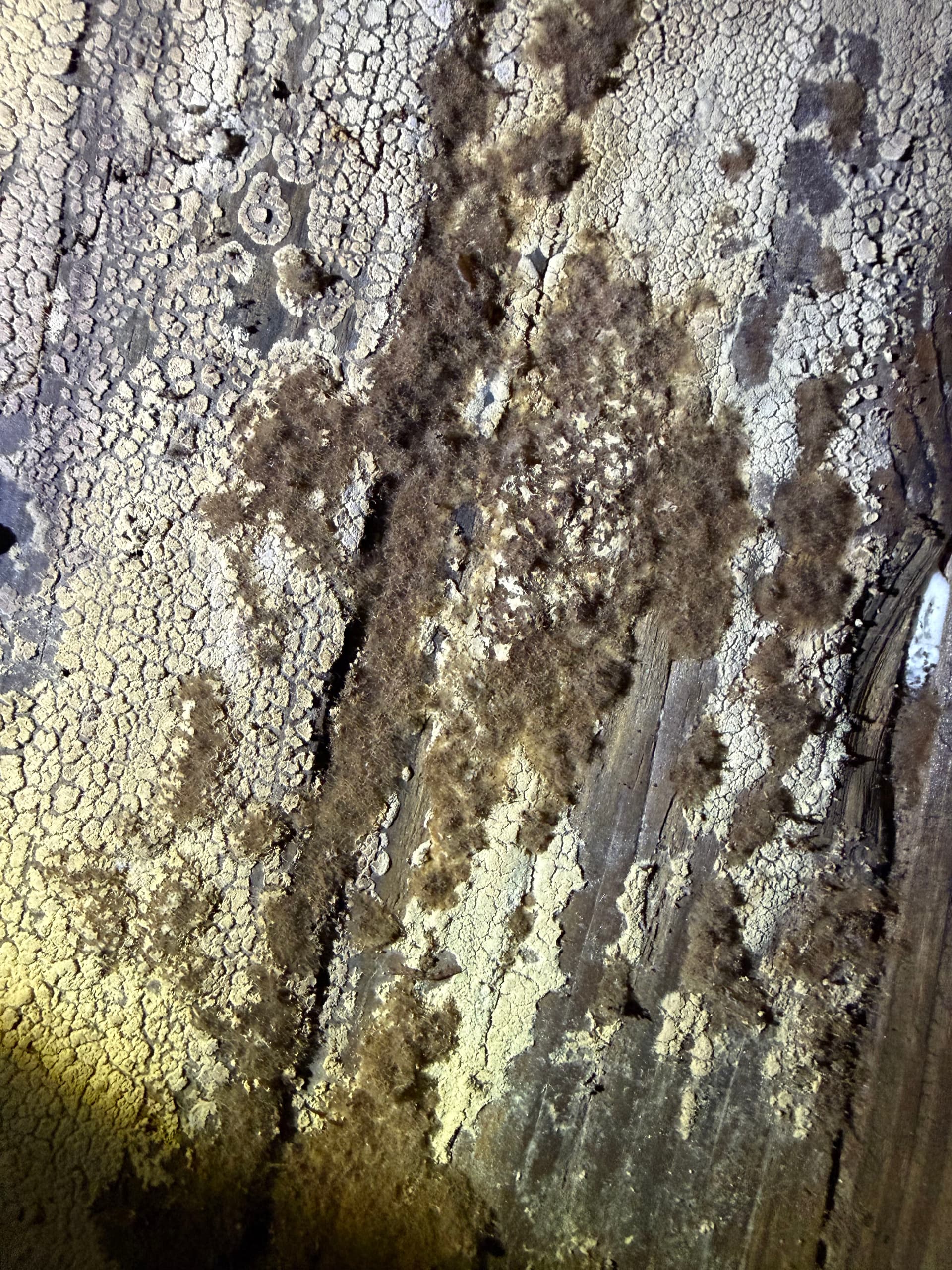
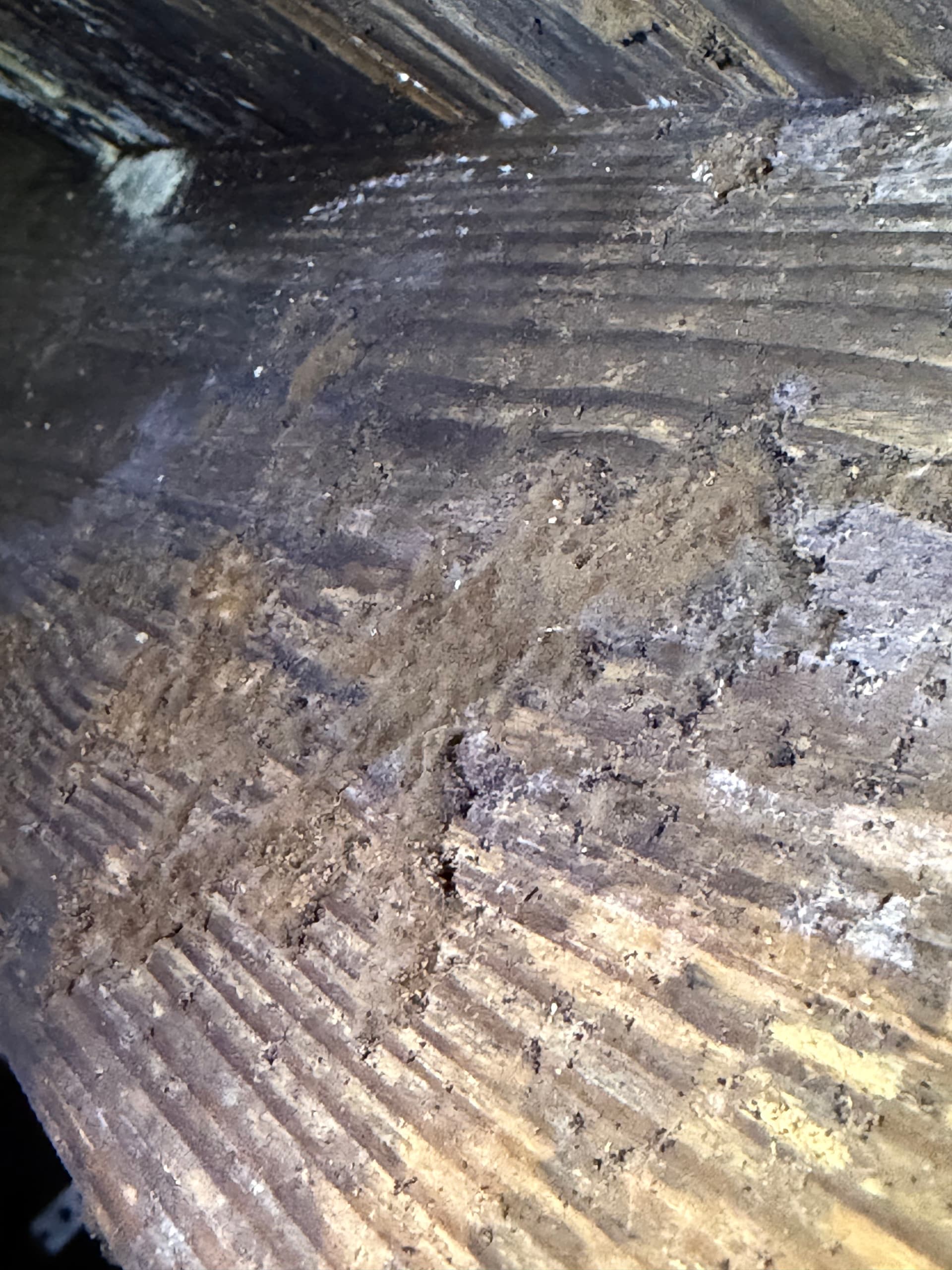
The fungus growth we documented ranged from early-stage surface growth to heavily colonized beams with visible spore clusters and wood rot underneath. This is exactly why crawl space inspections matter. None of these homeowners could see any of this from inside their homes. No odor yet. No soft floors yet. But the damage was already well underway.

Two jobs are moving forward immediately, with a third pending. The work ahead will include fungus removal, moisture remediation, vapor barrier installation, and encapsulation - essentially building a sealed, controlled environment where right now there's just bare earth and humidity doing whatever they want. That's the fix. Not a patch job. A real solution that stops the cycle.

Crawl spaces across the Gulf Coast take a beating. The humidity alone is enough to cause serious problems, and most of it goes undetected for years. If your home has a crawl space and it hasn't been inspected recently, there's a good chance something is developing under there that you don't know about yet.