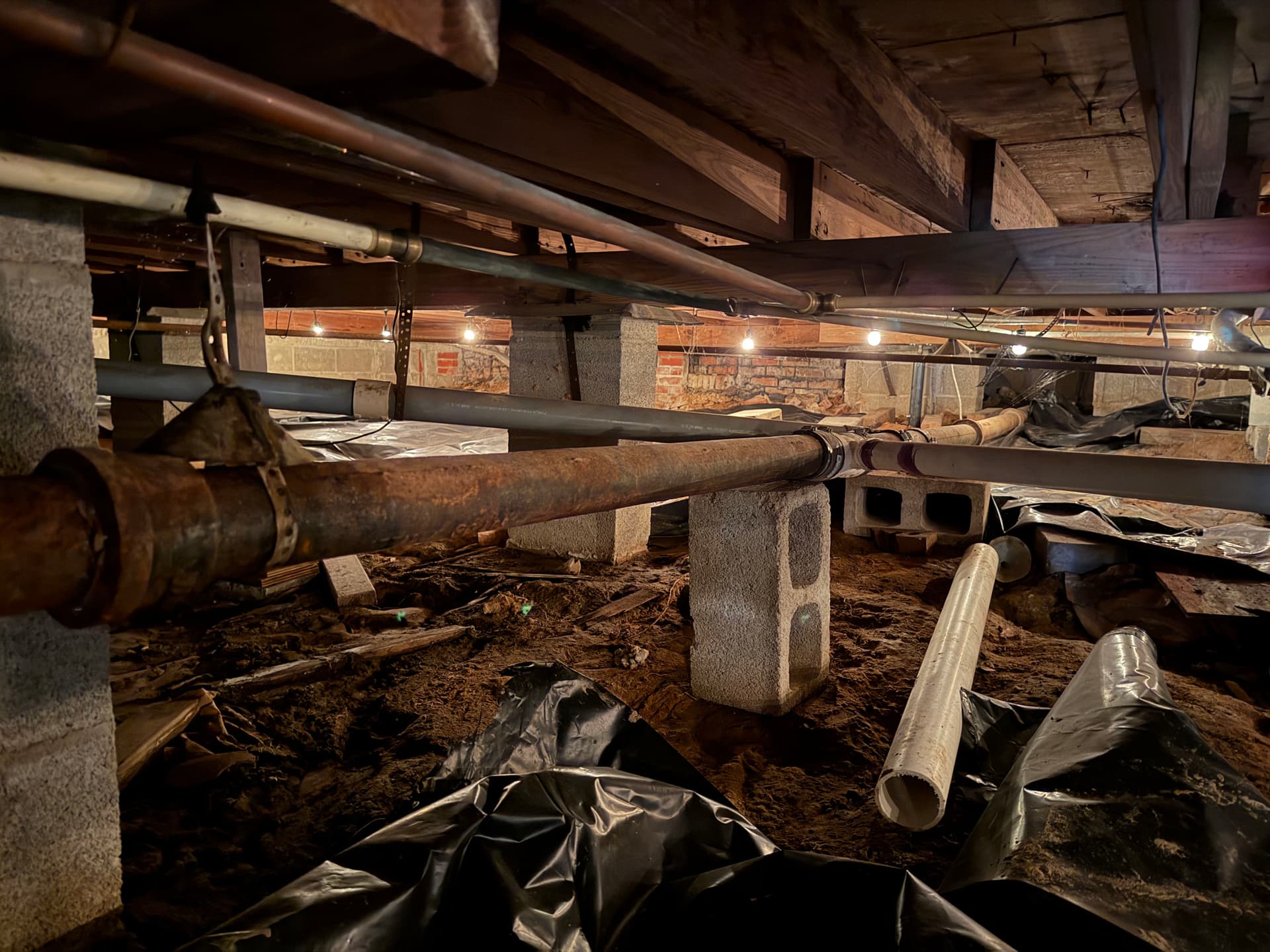
We did a full crawl space assessment on a home in Mobile, Alabama - and this one had a lot going on. Multiple issues, stacked on top of each other. This is exactly why we do thorough inspections before recommending any scope of work. You have to know what you're dealing with before you can fix it right.
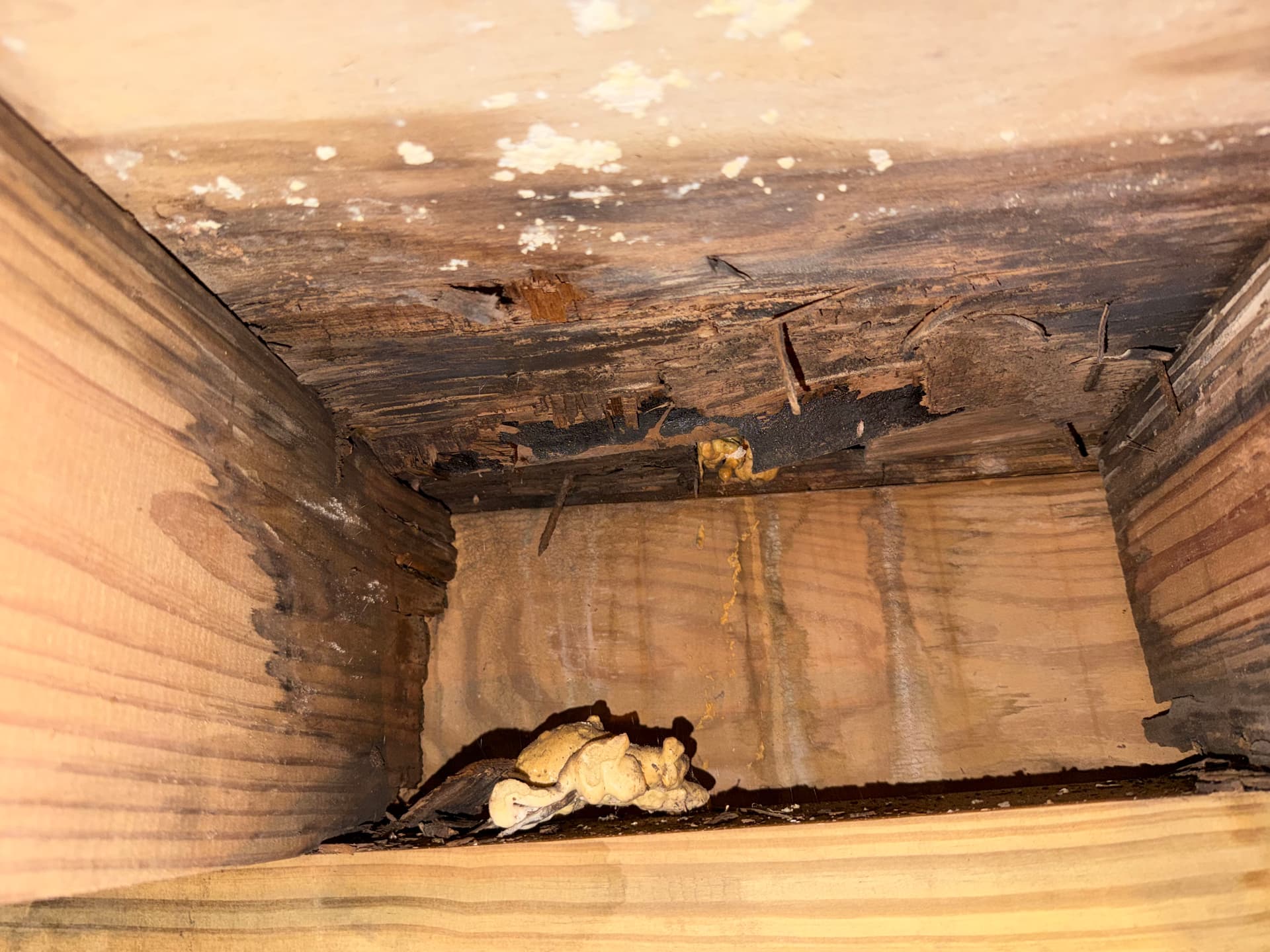
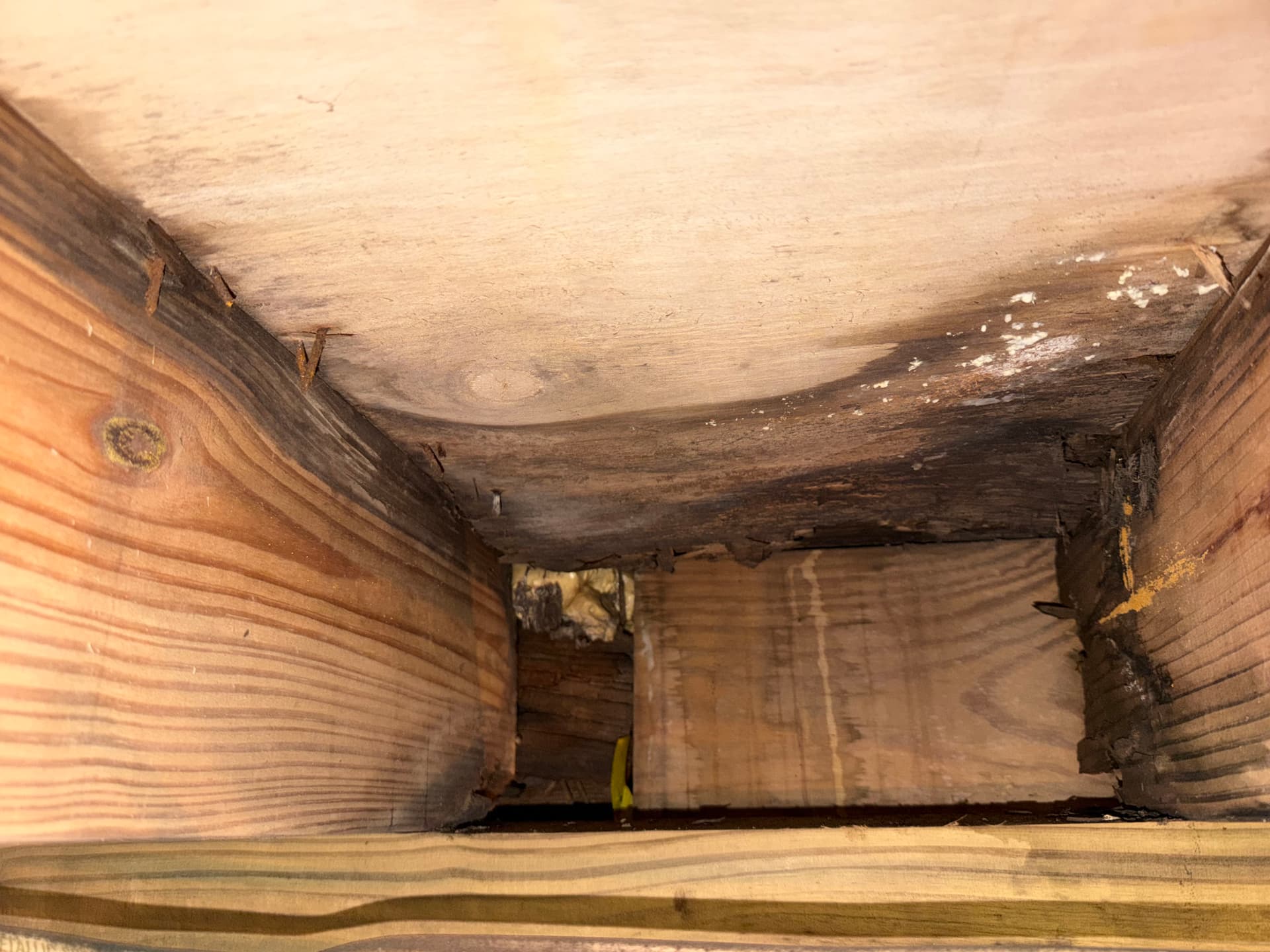
The wood damage here is serious. We found heavy fungal growth and rot eating through floor joists and rim board areas. That kind of deterioration does not happen overnight - it builds up over years of unchecked moisture. Without fungus removal and proper moisture remediation, the structural integrity of the floor system above is genuinely at risk.
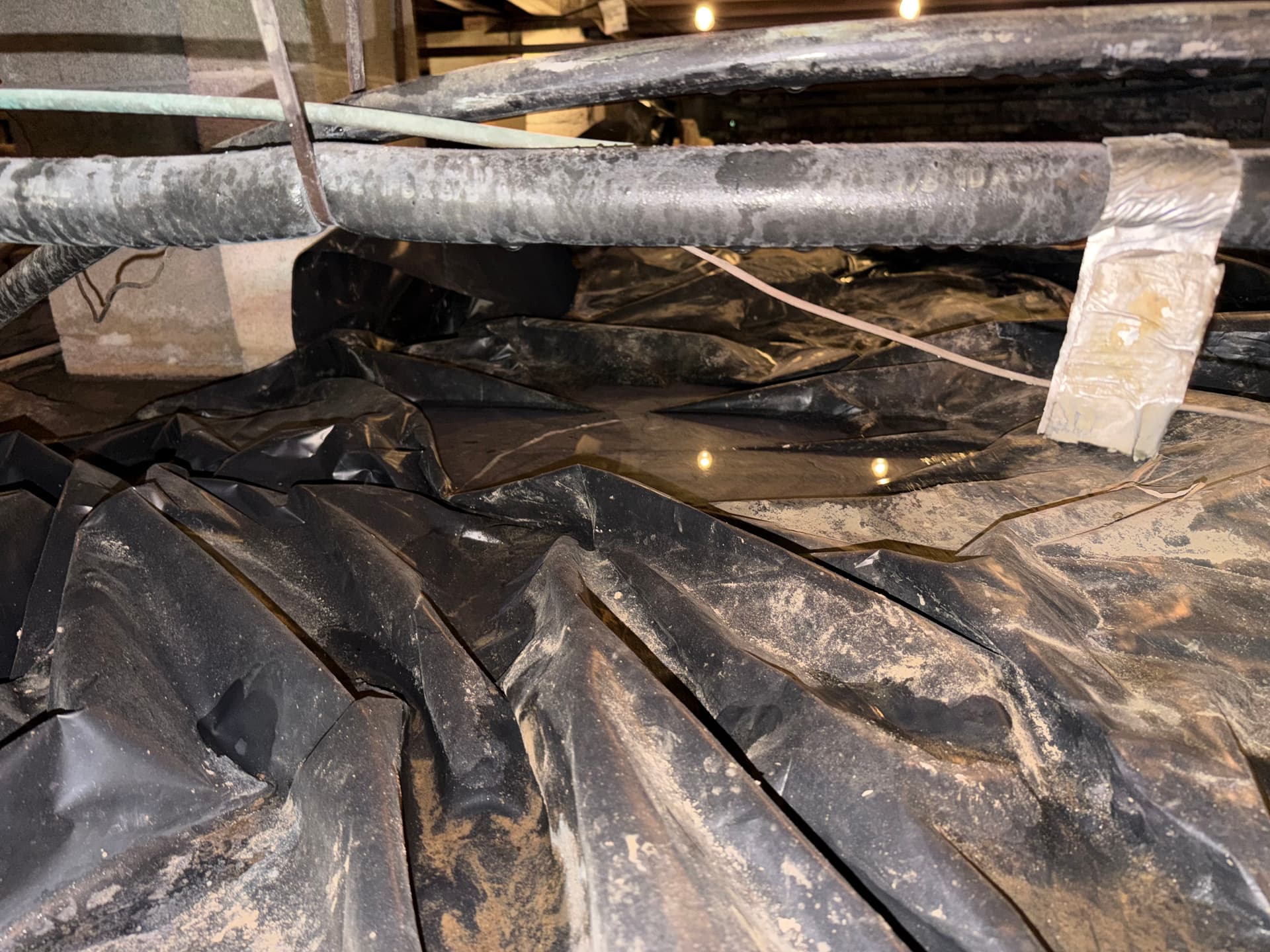
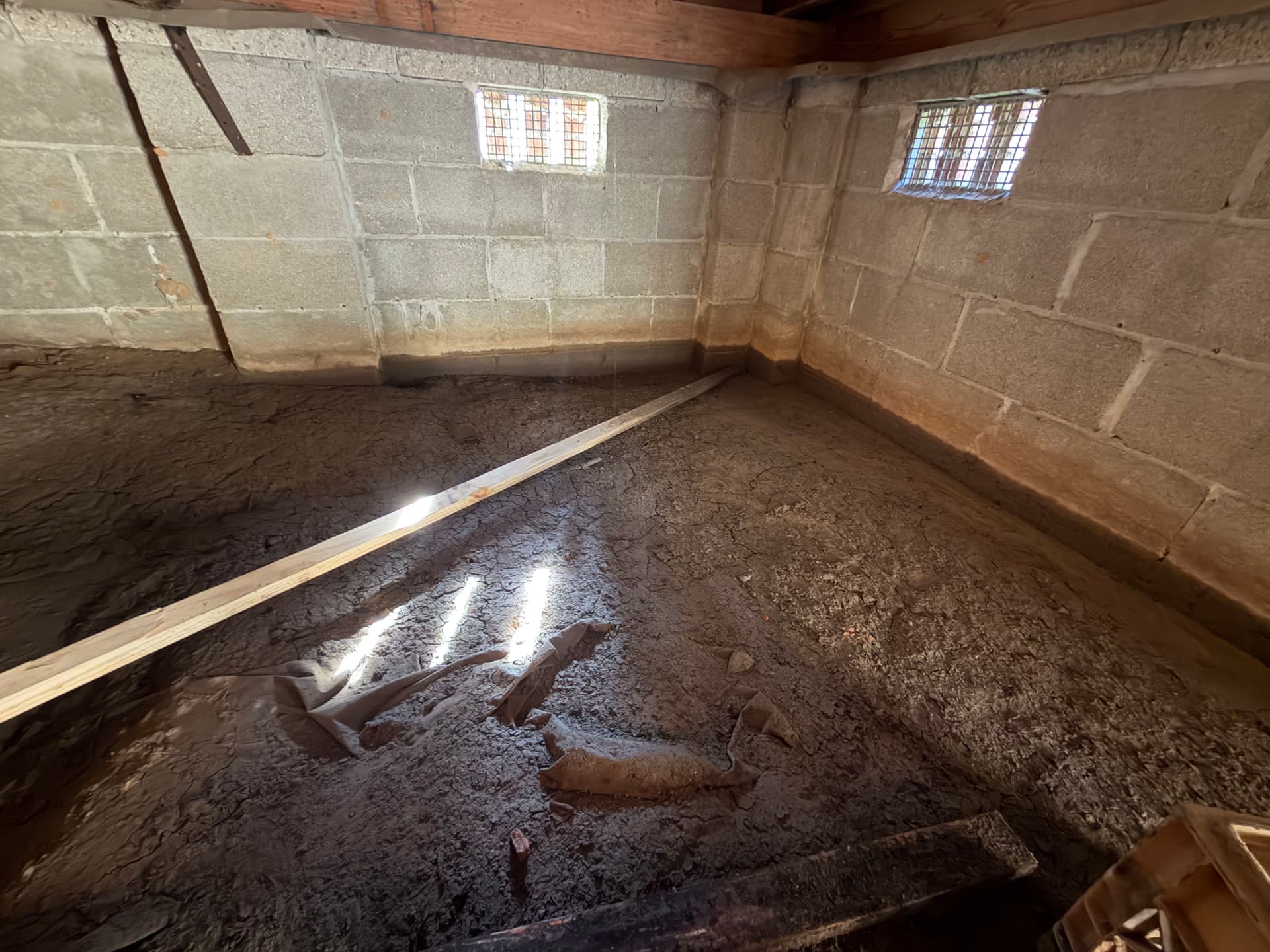
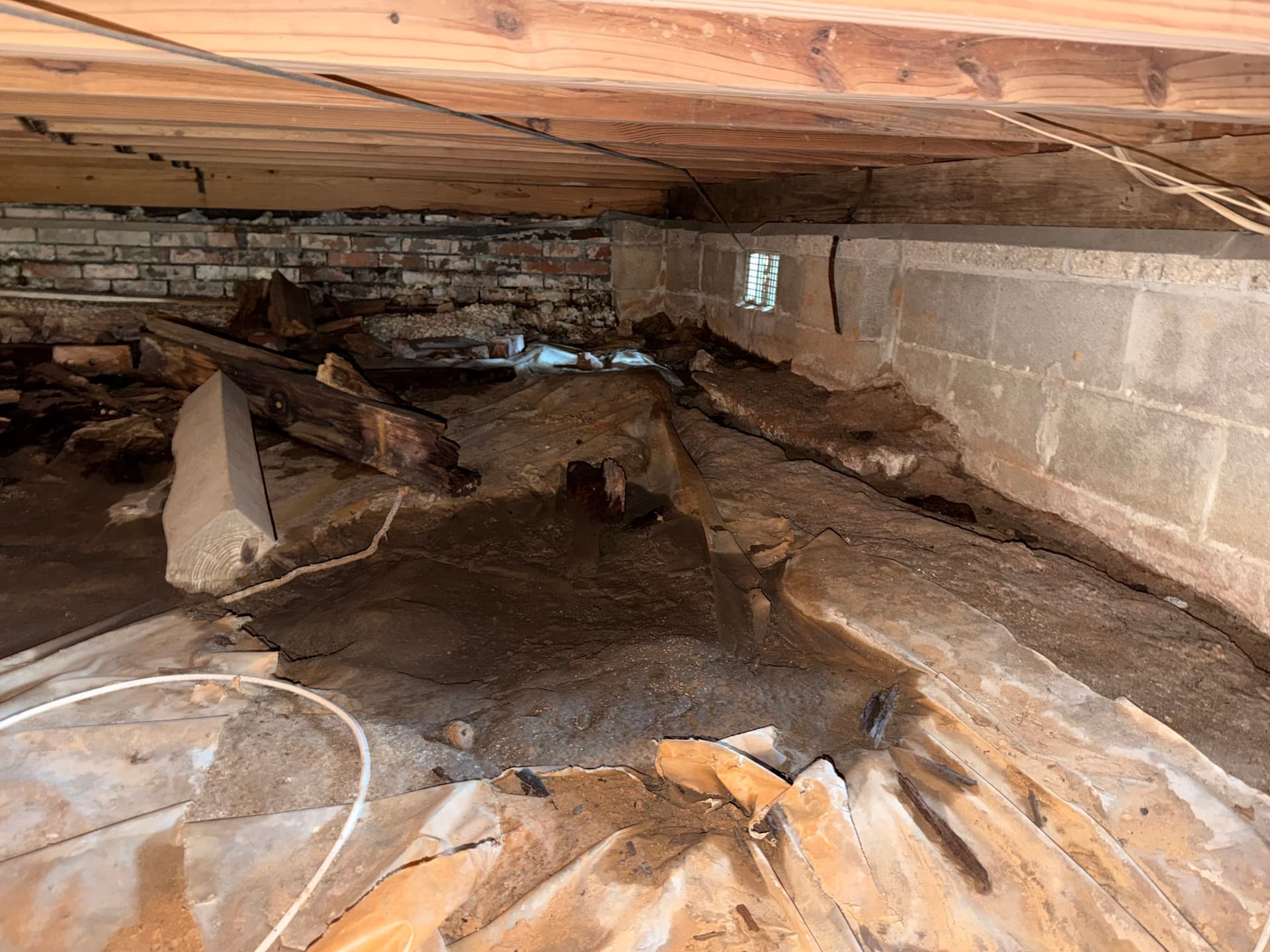
The vapor barrier situation is just as bad. What was down there was old, torn apart, and completely failing - bunched up, covered in debris, and doing basically nothing to stop ground moisture from rising up into the framing. A failed vapor barrier is one of the biggest culprits behind wood rot and fungal growth in crawl spaces across the Gulf Coast. The humidity down here is relentless, and a compromised barrier lets it win.
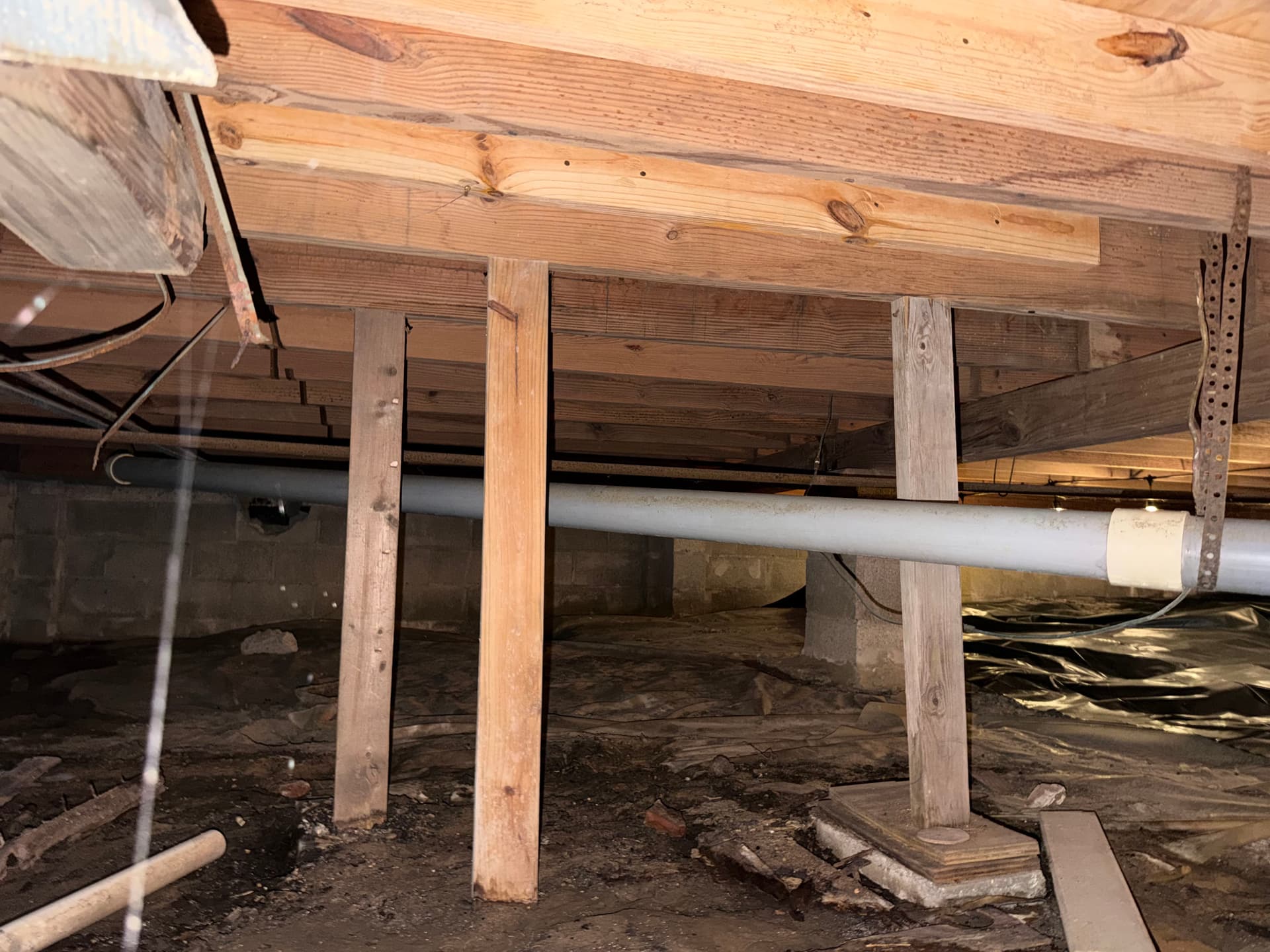
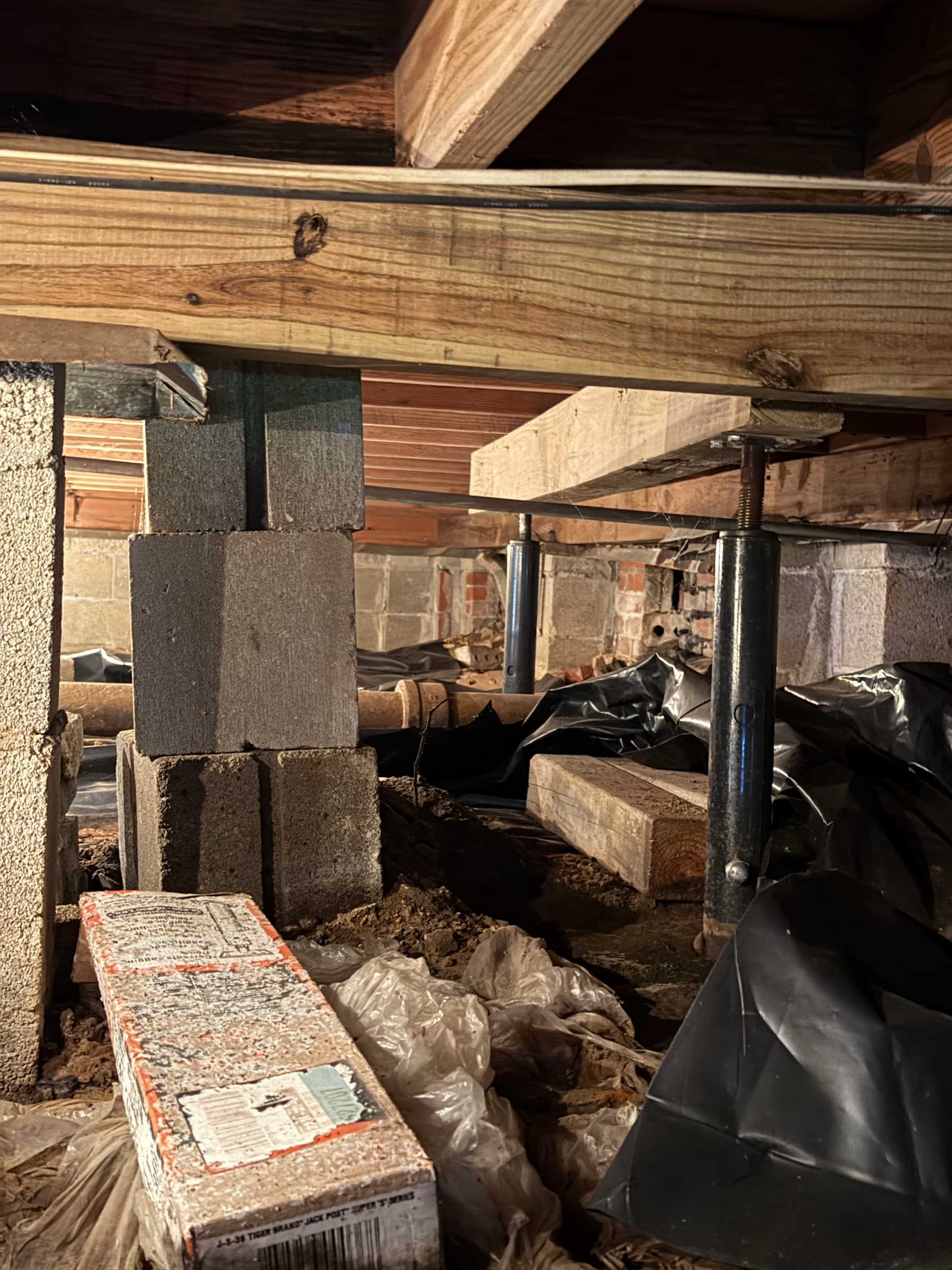
We also spotted areas where temporary screw jacks had been left in place under beams - a sign that structural support issues had been identified at some point but never properly addressed. That is a red flag. Screw jacks are not a long-term solution. The debris, scattered framing material, and deteriorated old vapor barrier pieces scattered across the crawl floor all point to a space that has been neglected for a long time and patched instead of fixed.
An assessment like this gives us the full picture. Every section of this crawl told a different part of the same story - moisture got in, stayed in, and did damage. Now we know exactly what a proper remediation plan needs to include.