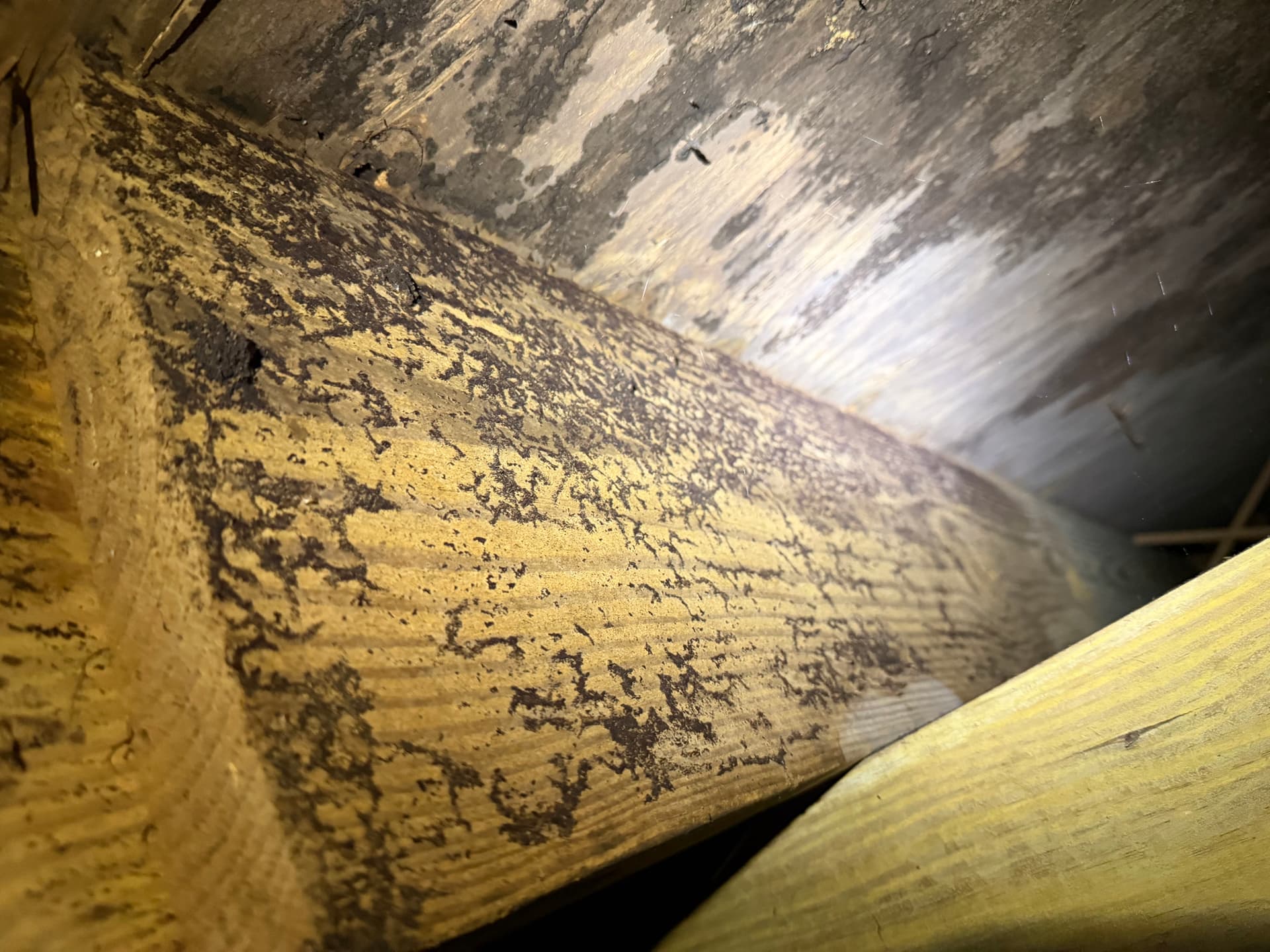
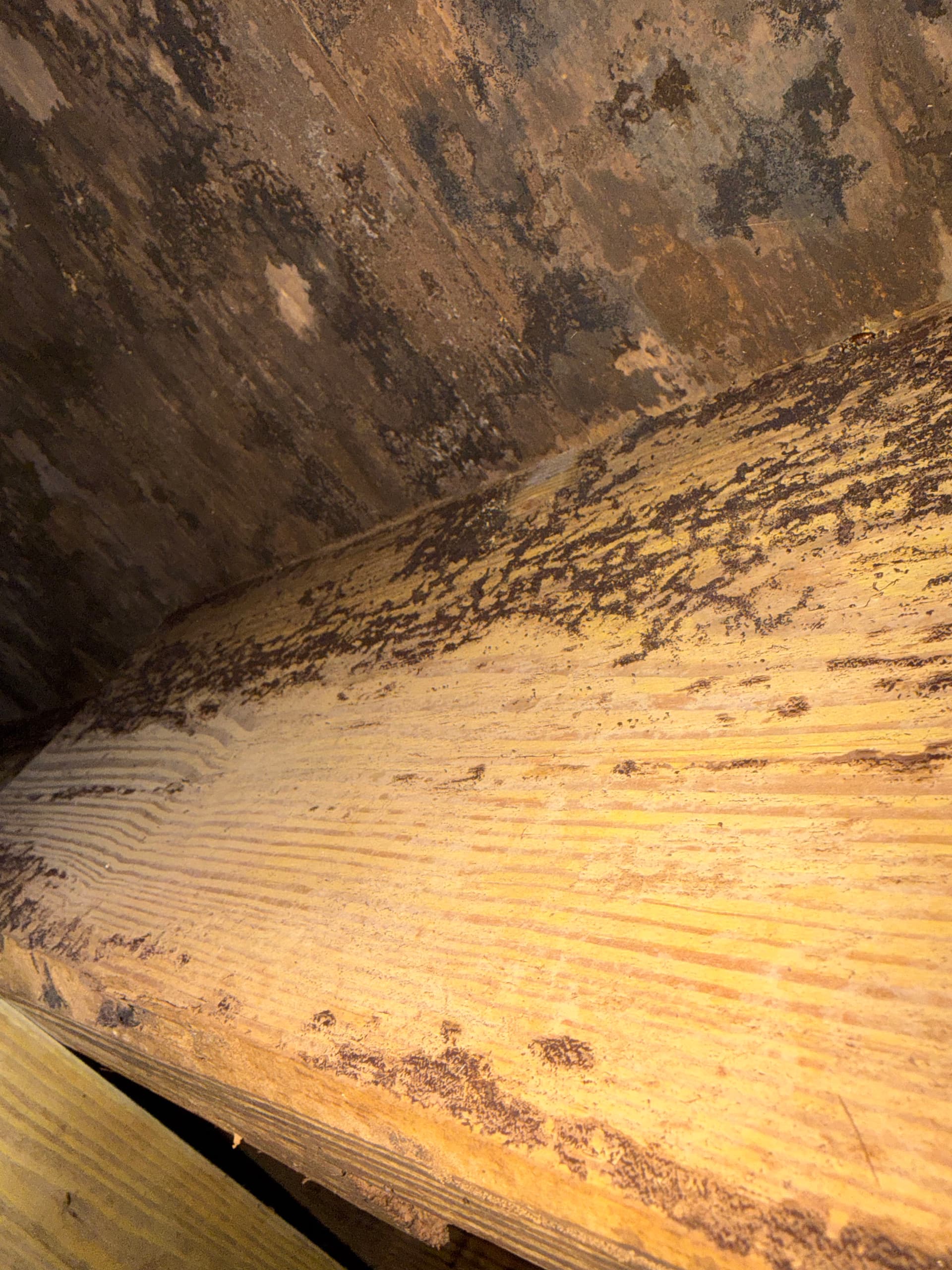
We got into a crawlspace in Tallahassee recently and found a lot going on. Drainage problems, active wood decay fungus, and some improper carpentry work - all packed into one space. This is the kind of assessment that reminds us why a thorough inspection matters so much.
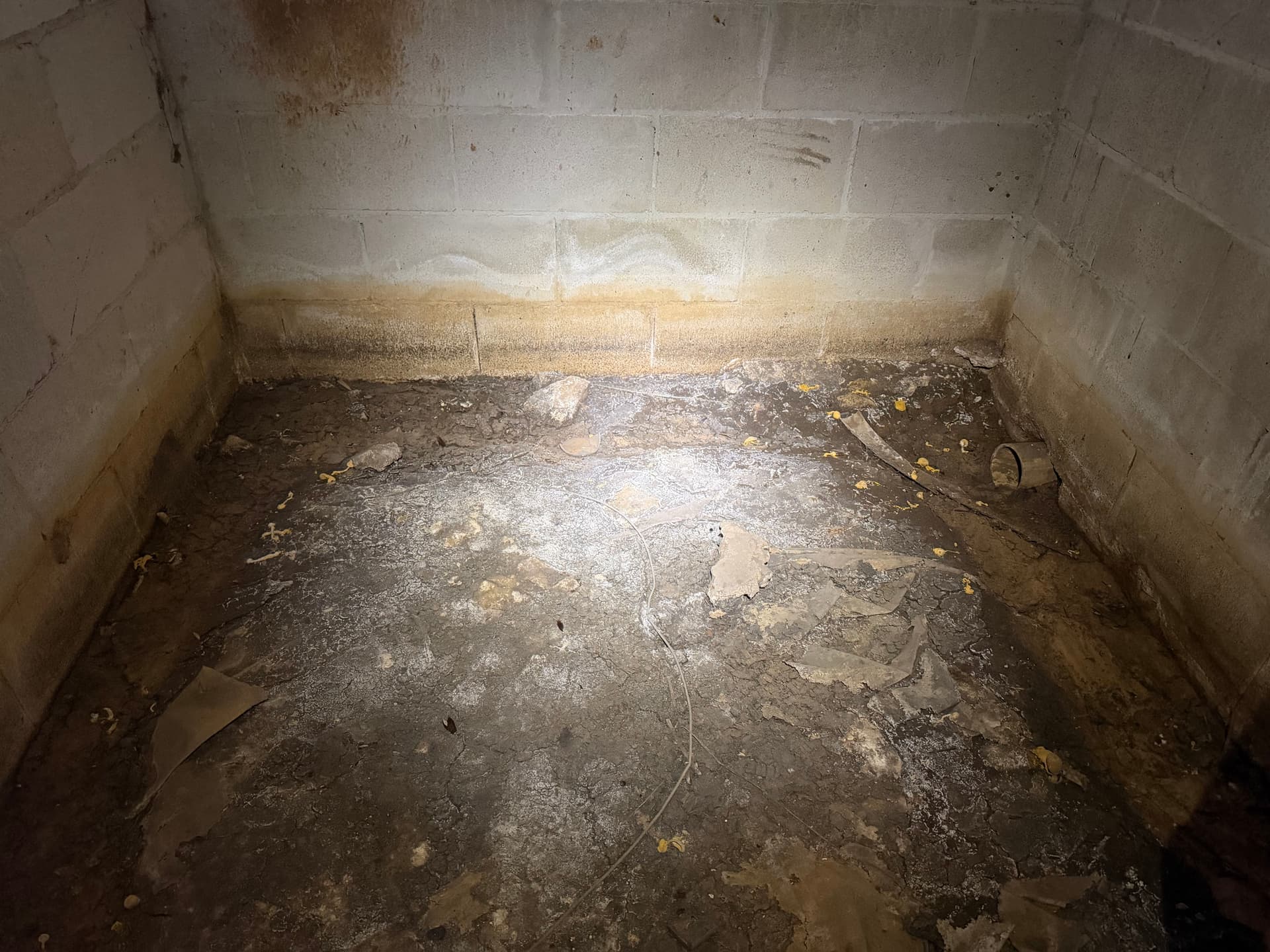
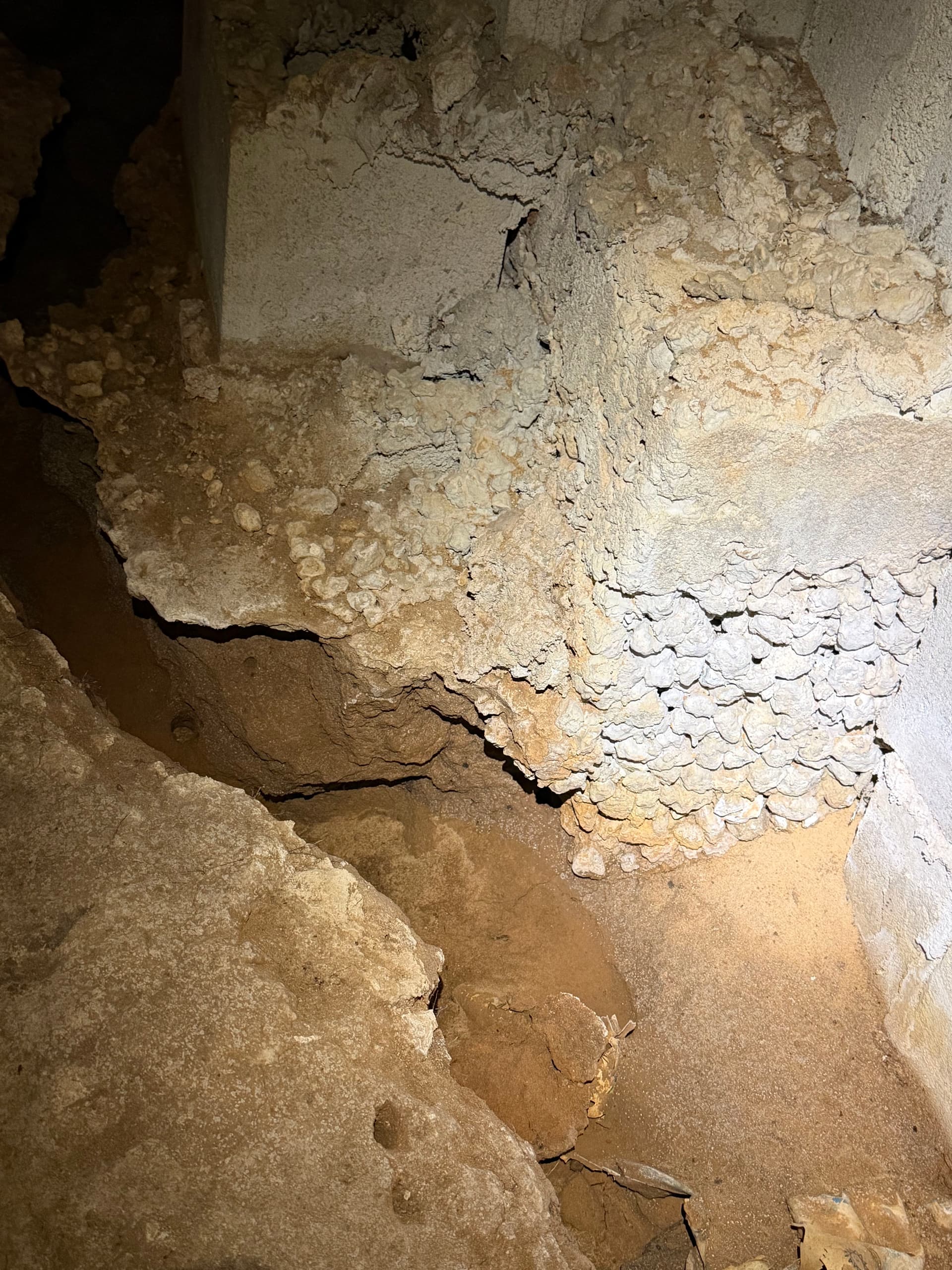
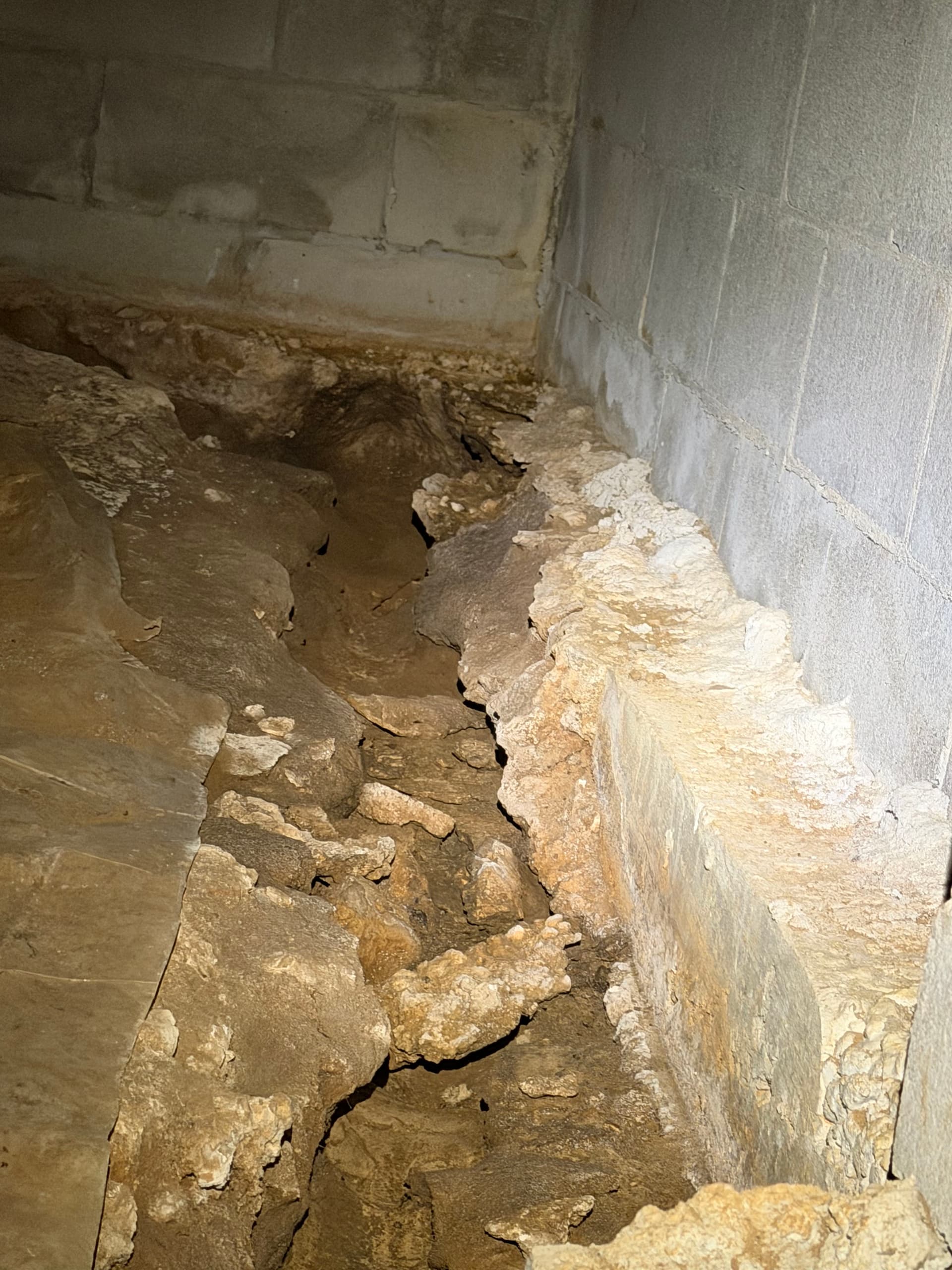
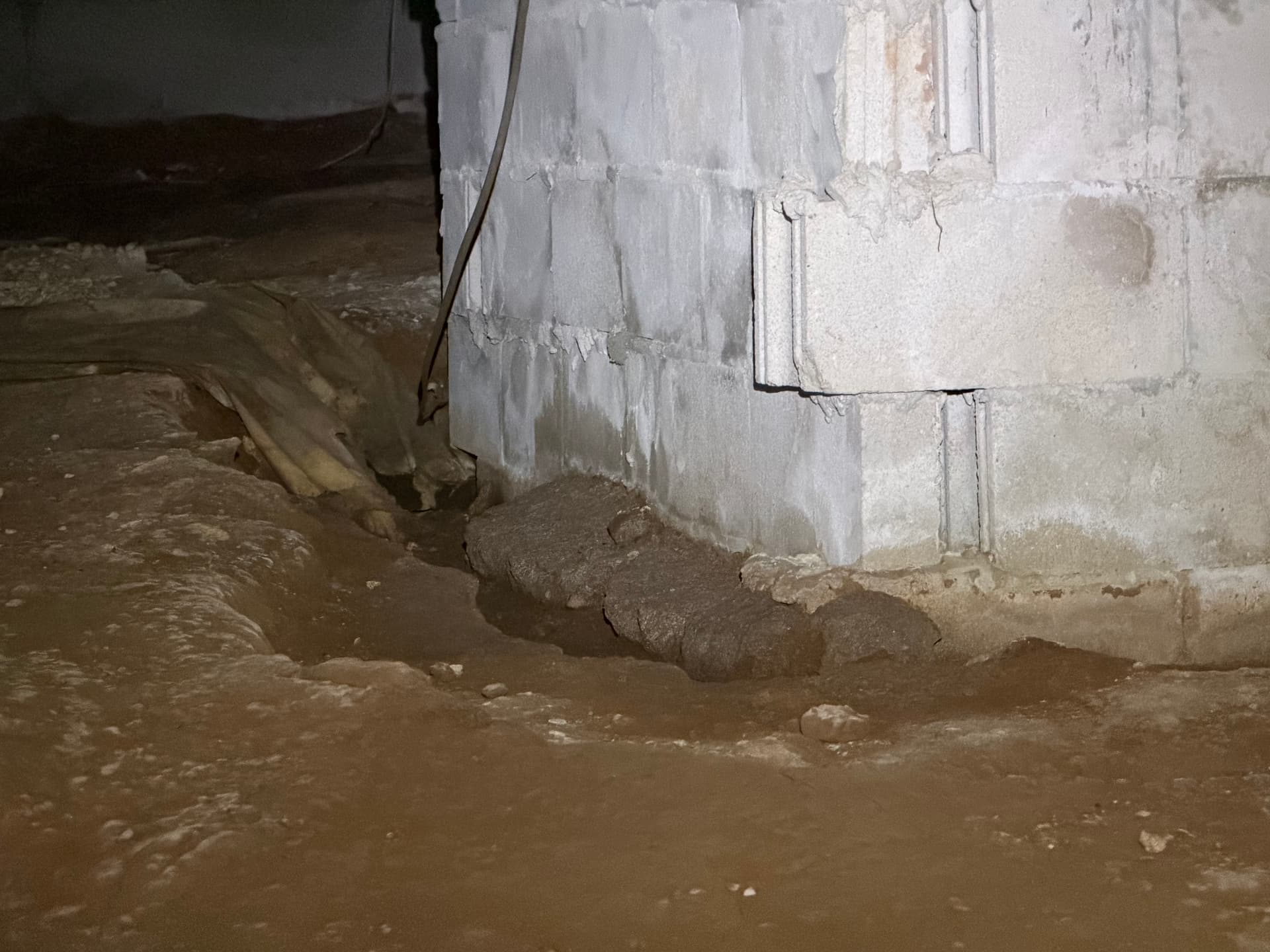
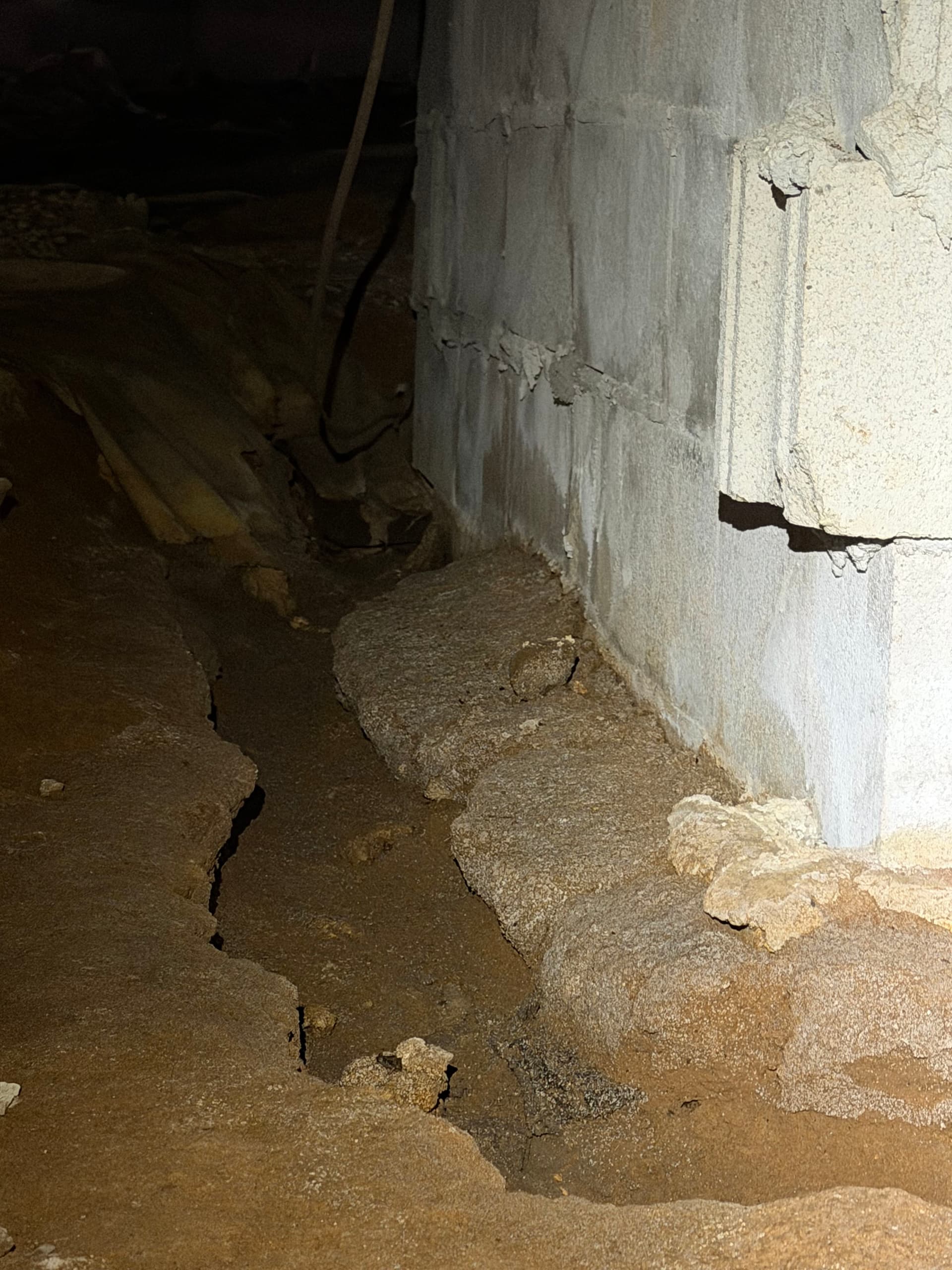
Starting with the foundation walls - you can see heavy efflorescence and moisture staining along the block walls, along with serious deterioration at the footing level. The concrete is breaking apart in sections, and there is clear evidence of standing water having been present repeatedly over time. That is a drainage problem that does not fix itself. Without a proper drainage system in place, water keeps finding its way in and keeps doing damage.
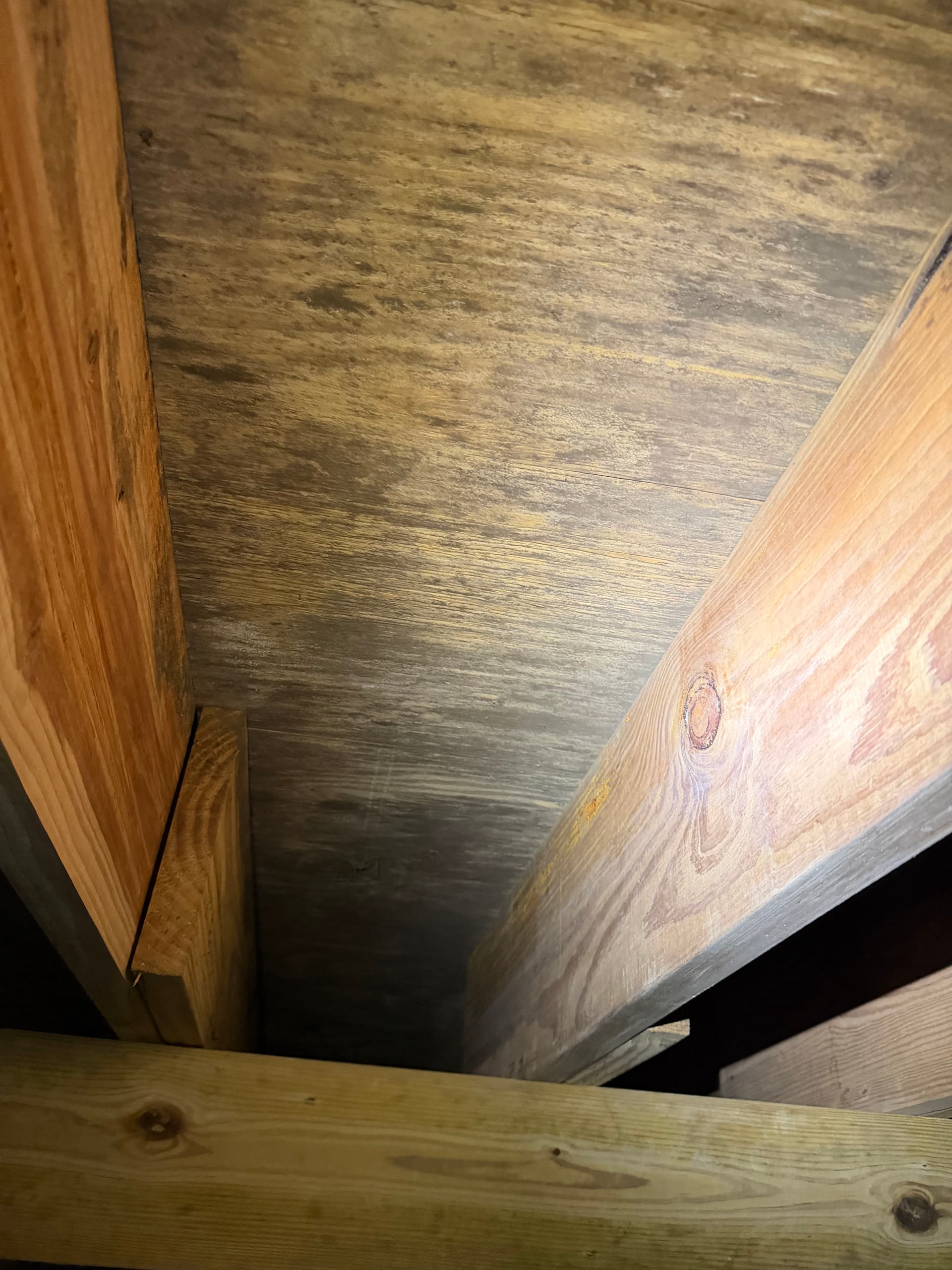
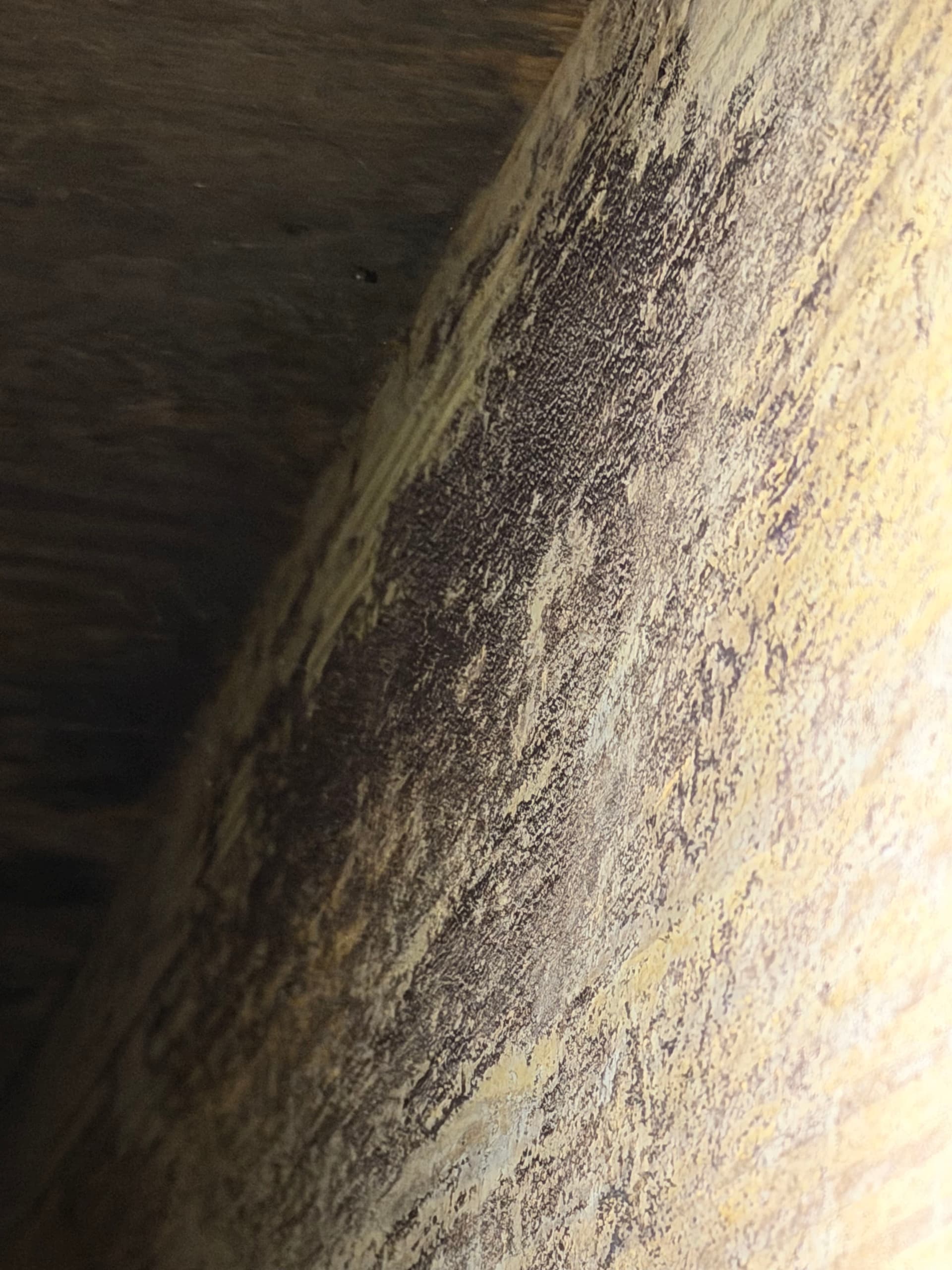
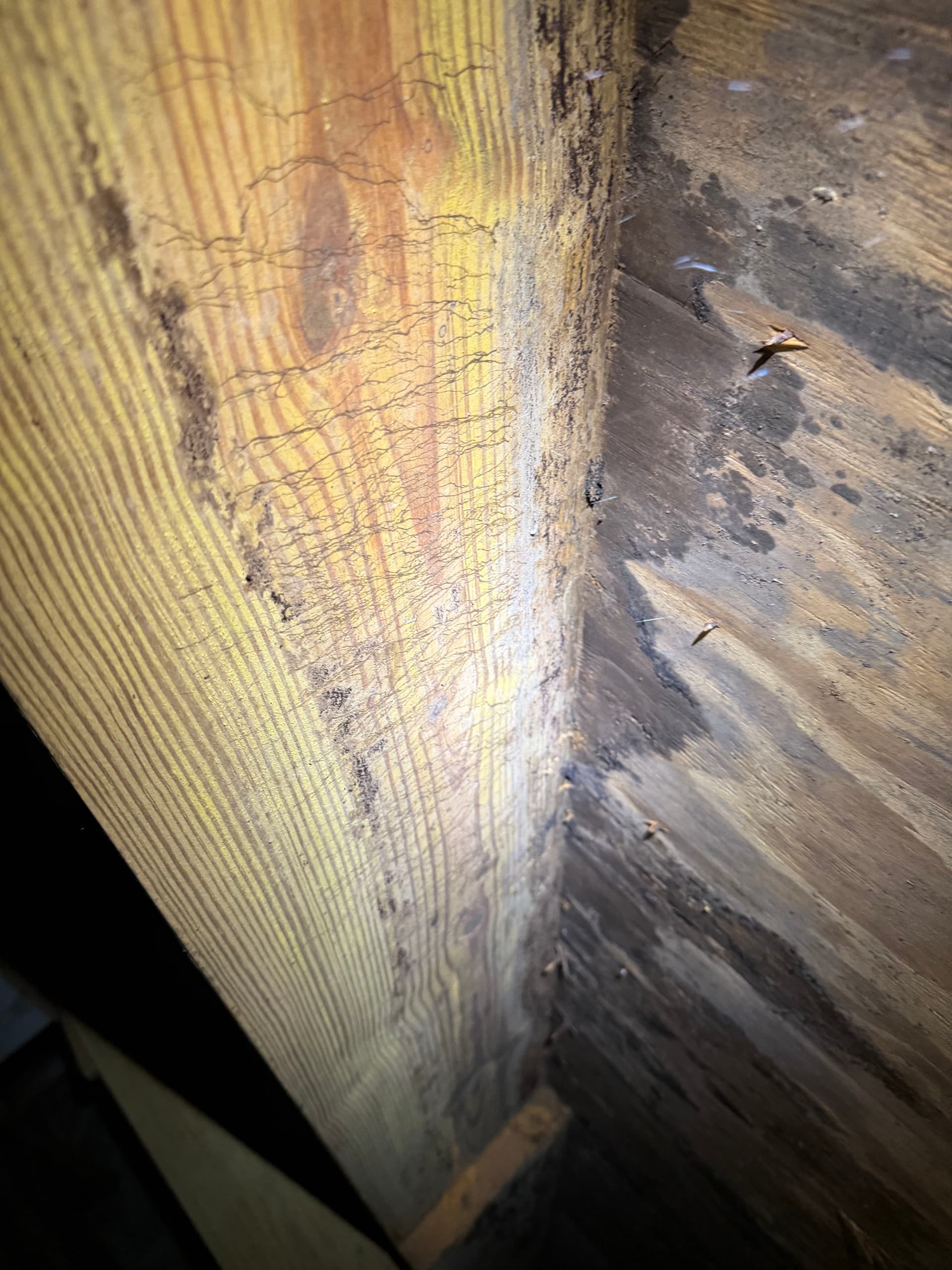
Then there is the wood. The floor joists and subfloor decking are covered in wood decay fungus. We are talking about dark, dense fungal growth spreading across multiple structural members. This is not surface discoloration - it is active biological decay that compromises the integrity of the wood over time. Left alone, it works its way deeper into the structure. Fungus removal paired with moisture remediation is the only way to actually stop the cycle, not just treat the symptom.
What makes this crawlspace worth talking about is that none of this was visible from inside the home. The floors above probably feel fine. The homeowner had no reason to suspect anything was wrong. That is how crawlspace damage works - it hides. By the time you notice something upstairs, the problem has usually been going on for a long time underneath.
A full assessment like this gives homeowners a clear picture of what they are dealing with before small problems become expensive ones. Drainage, fungus removal, moisture remediation, and structural support are all on the table here - and catching it at the inspection stage means there is still time to address it the right way.