Crawl Space Assessment Uncovers Major Issues in Irvington Alabama
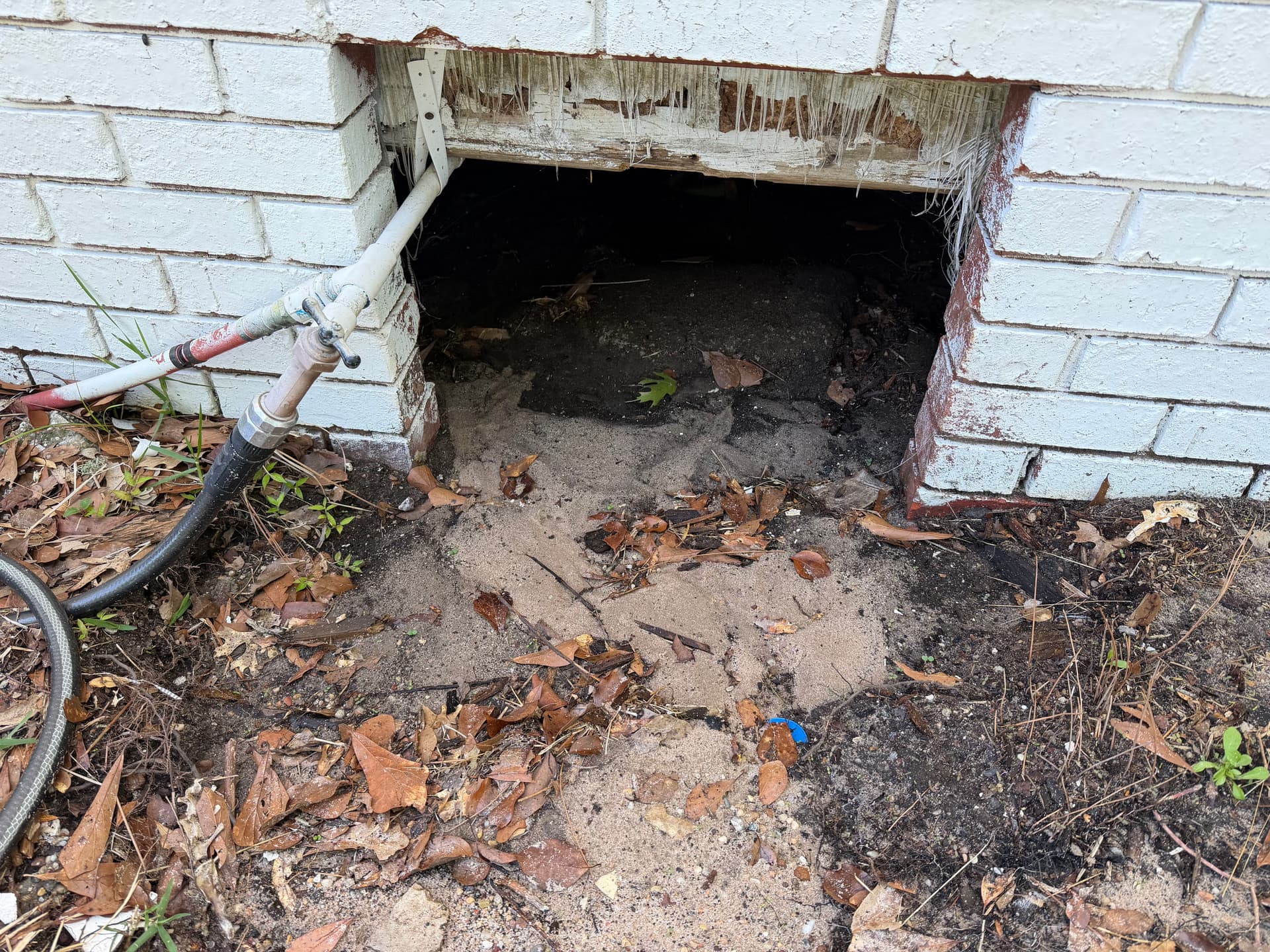
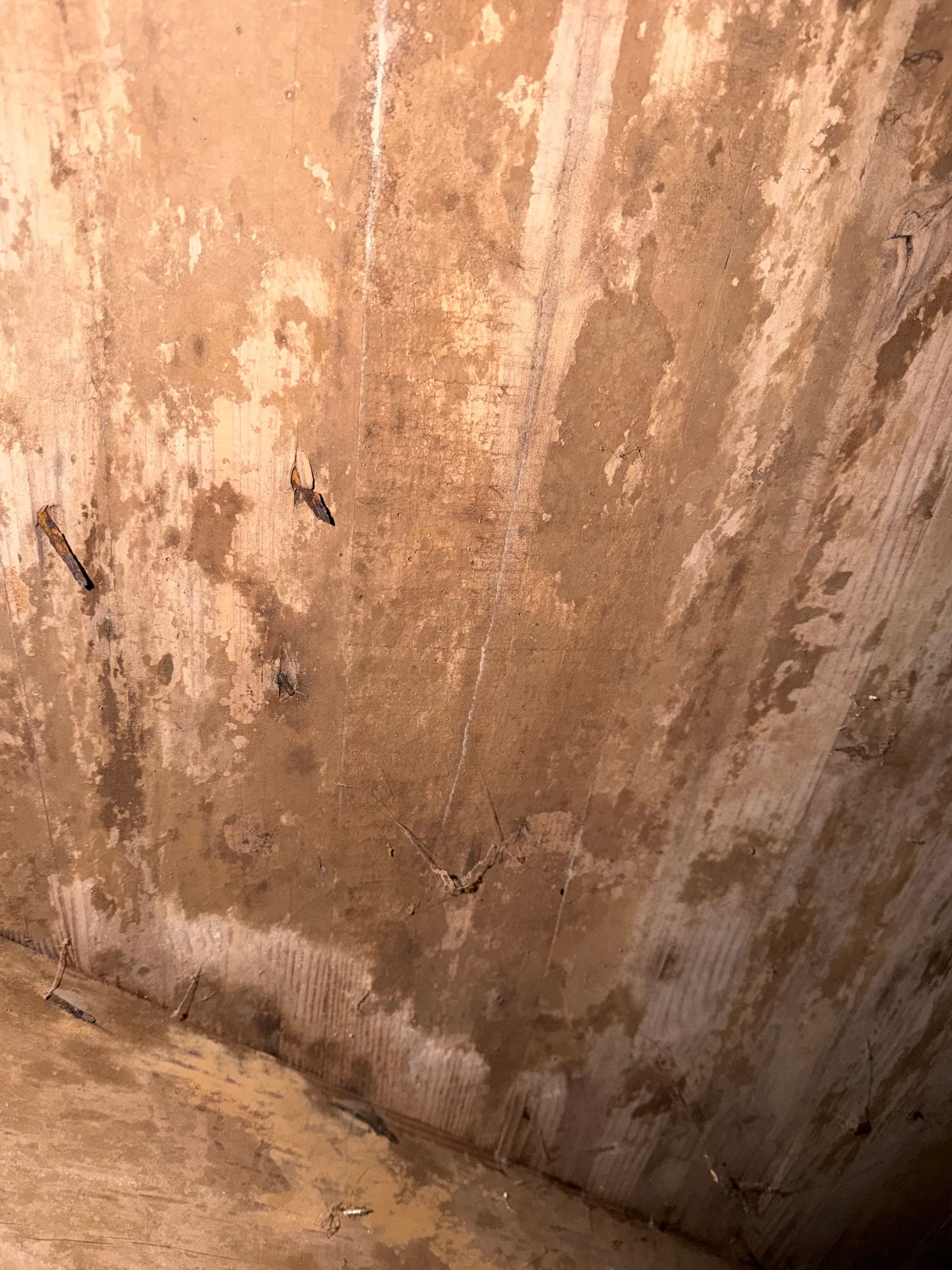
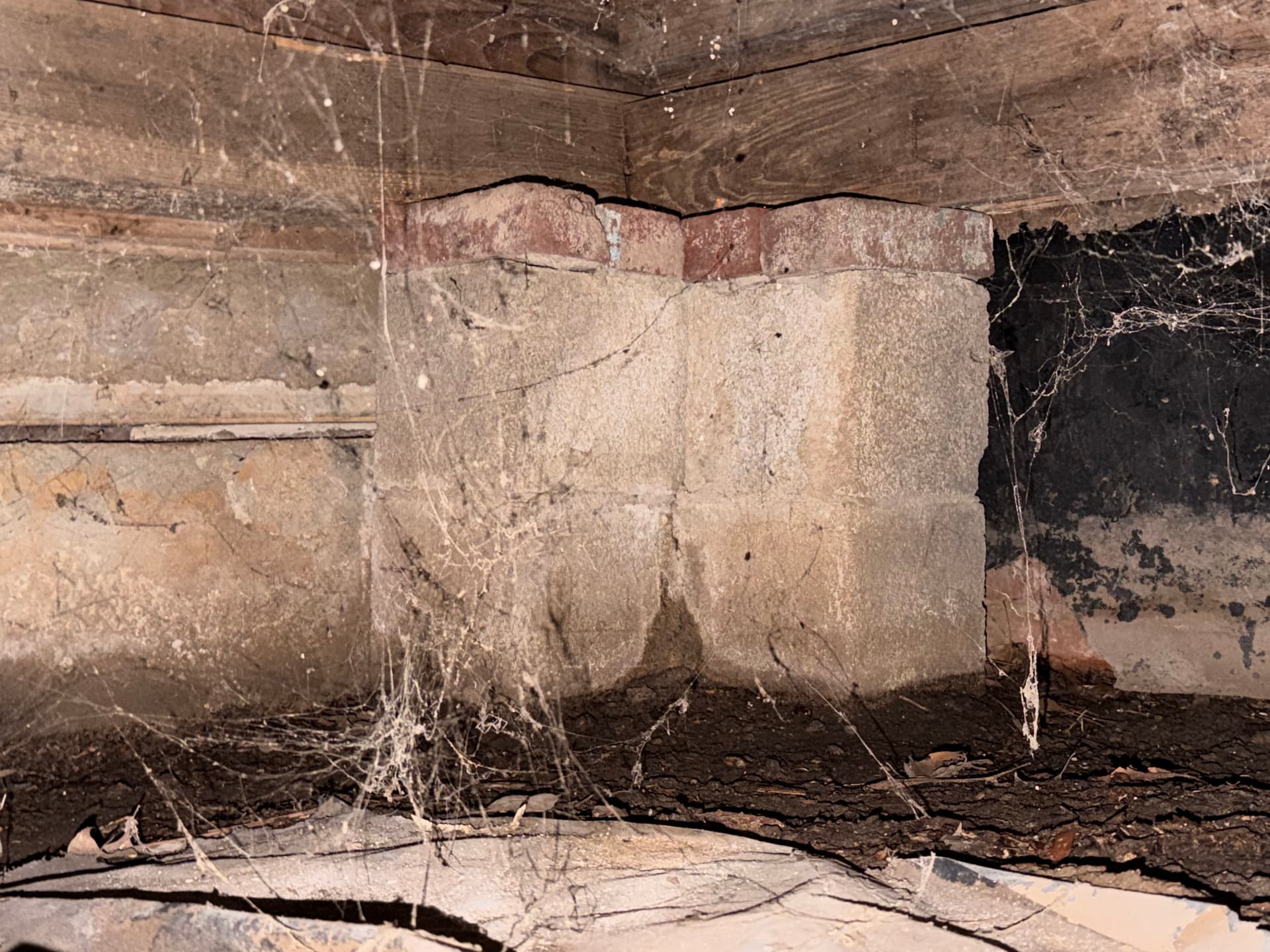
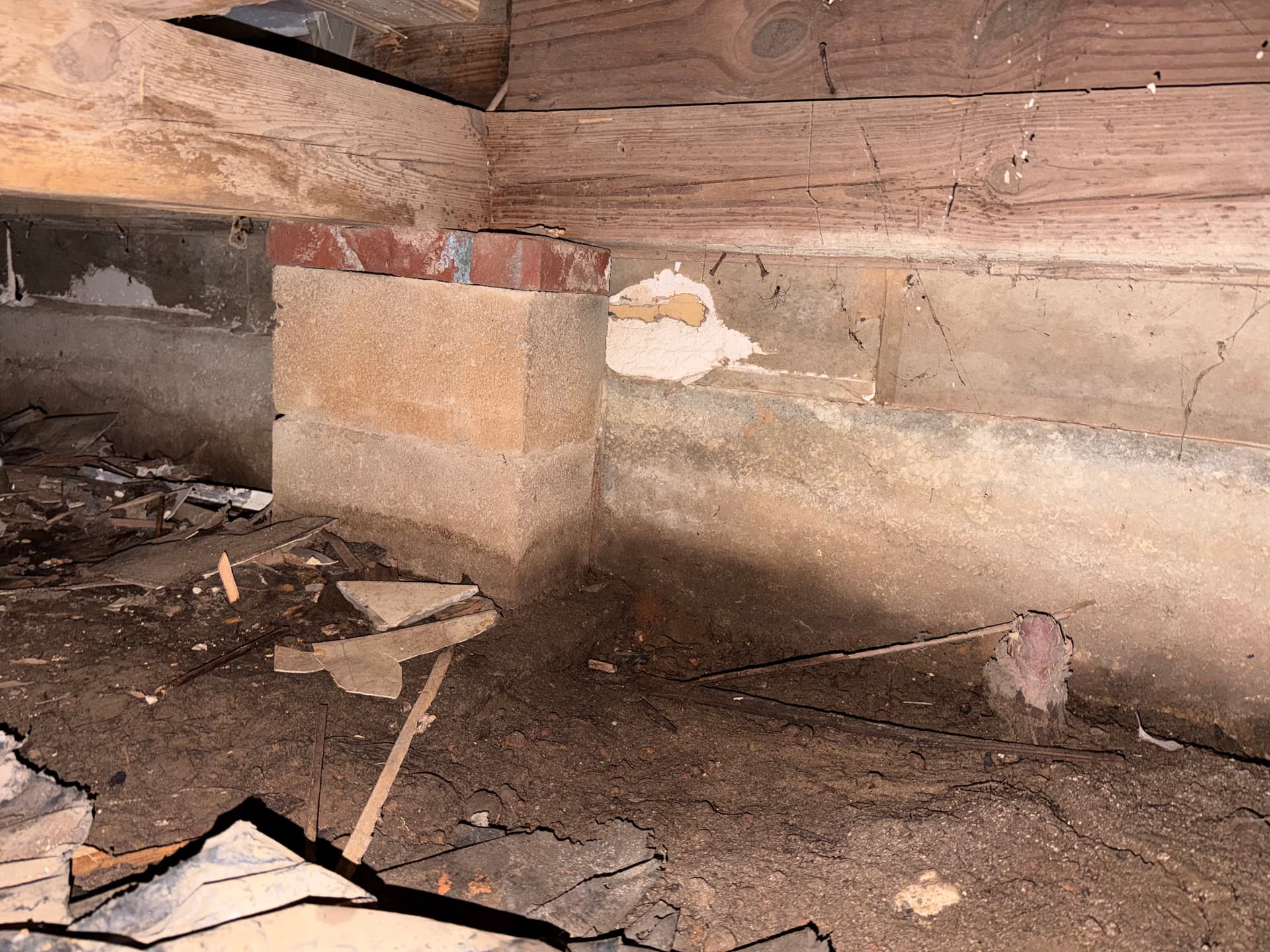
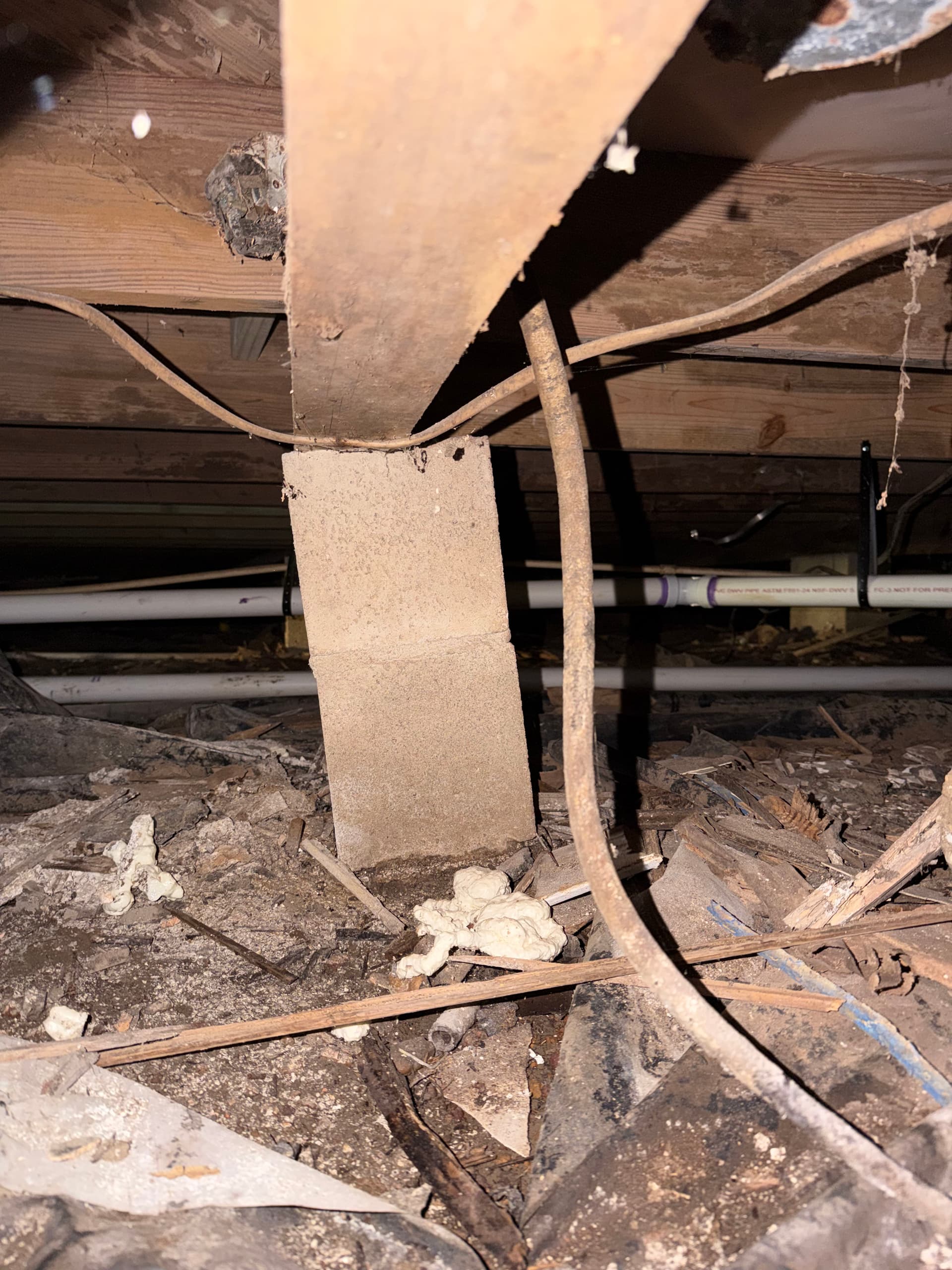
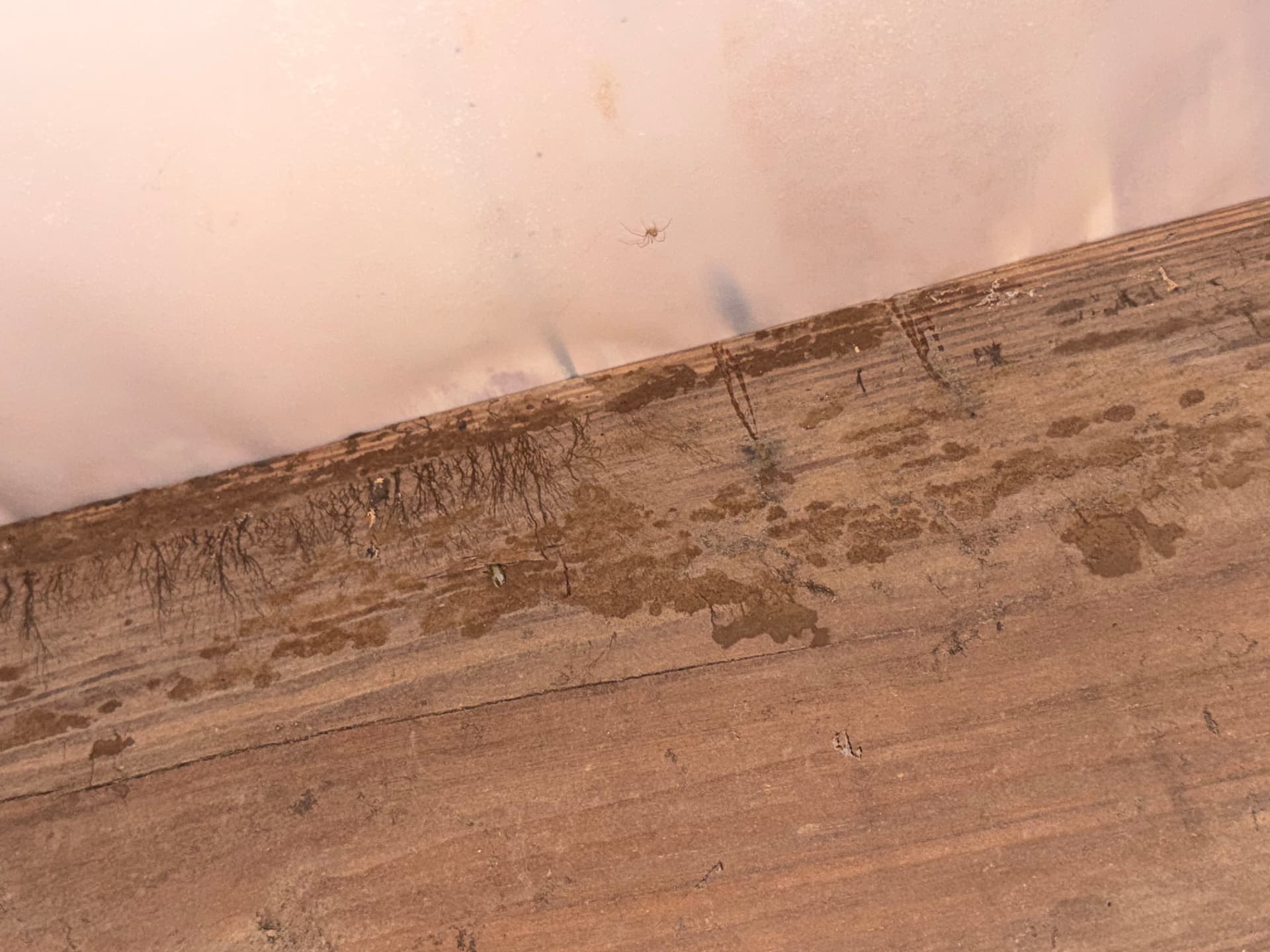
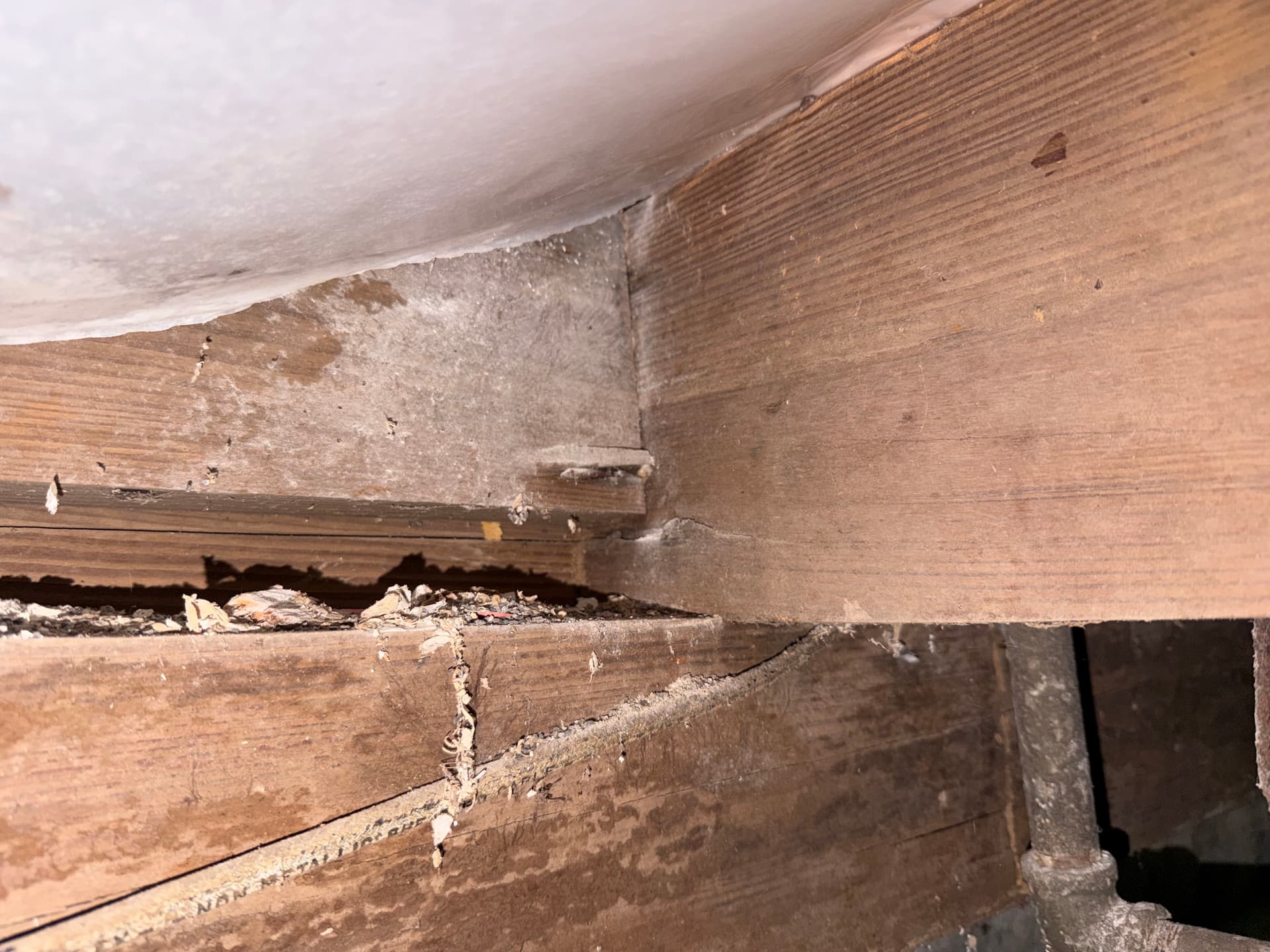
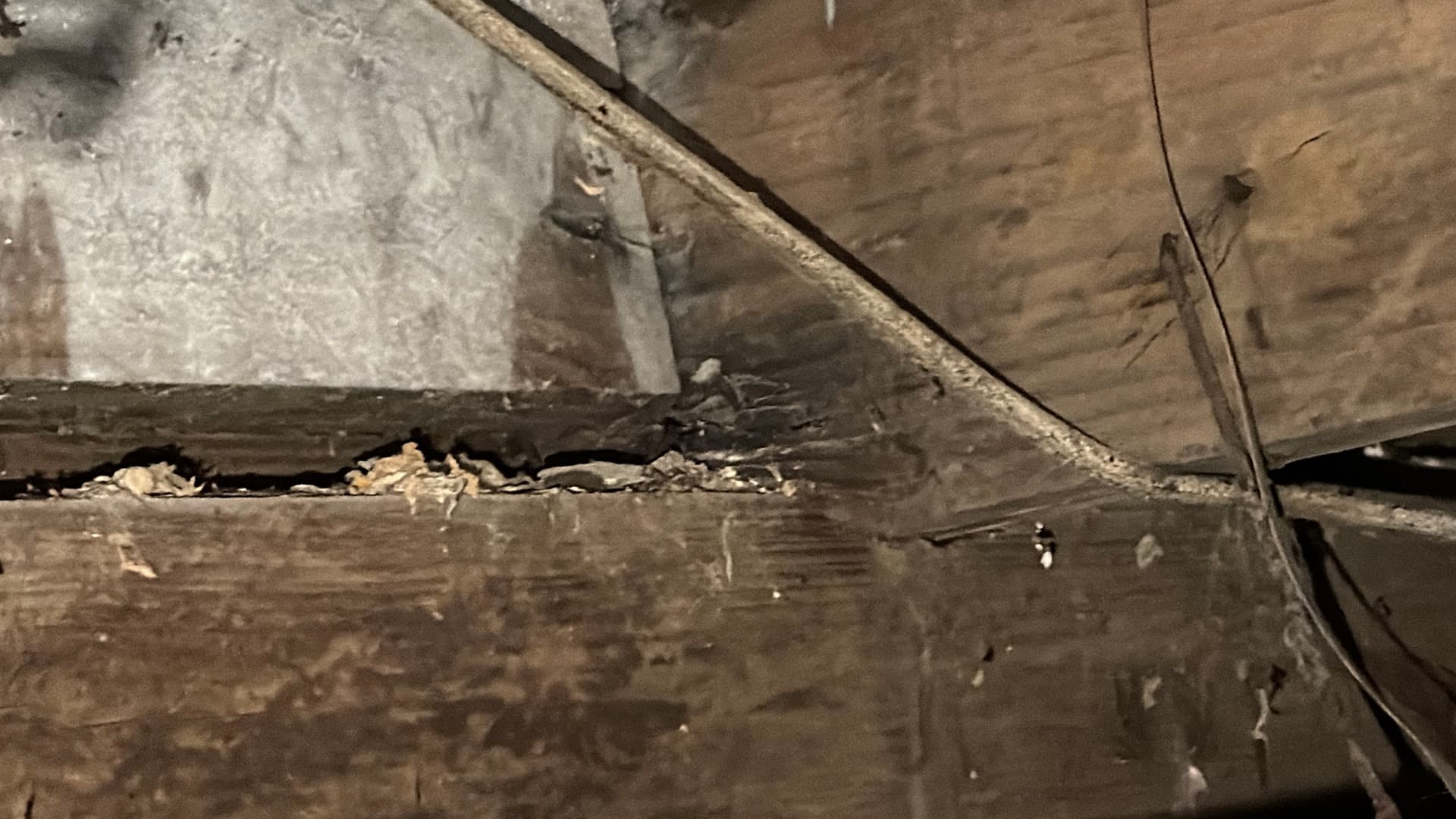
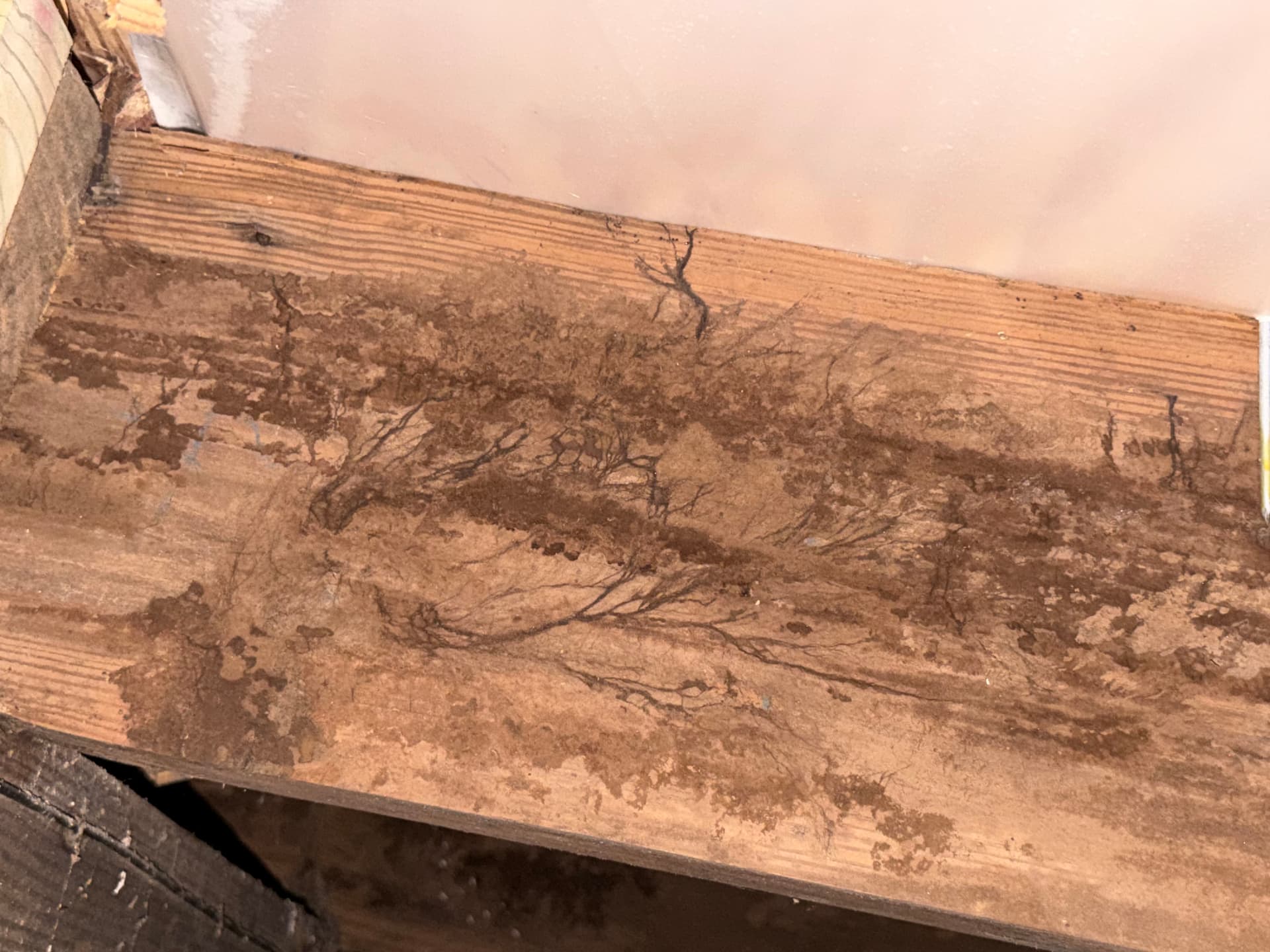
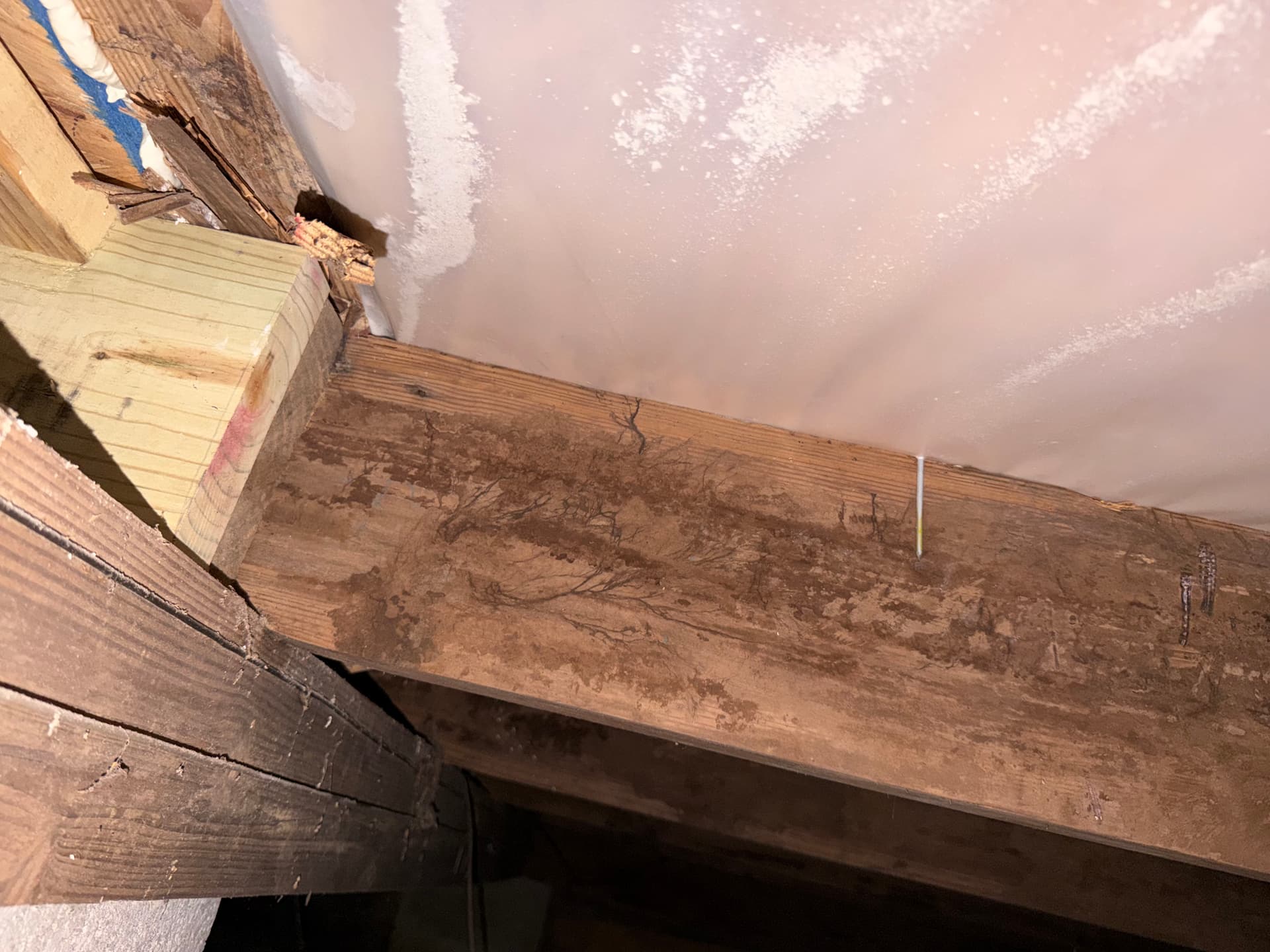
We did an assessment on a home in Irvington, Alabama recently - and what we found under that house was a lot to take in. Moisture damage, wood decay, growth, and signs of pest activity. Not one problem. Multiple. And none of them visible from inside the home.
That's the thing about crawl spaces. The damage builds up quietly, out of sight, until it starts affecting the structure above it. Floors start to feel soft. There's a musty smell you can't locate. A door that used to close fine suddenly sticks. By the time those signs show up, the issues underneath have usually been going on for a while.
If your home has a crawl space and you haven't had it checked in a few years - or ever - this is a good reminder that what you can't see can still hurt you. Problems like these don't get better on their own.