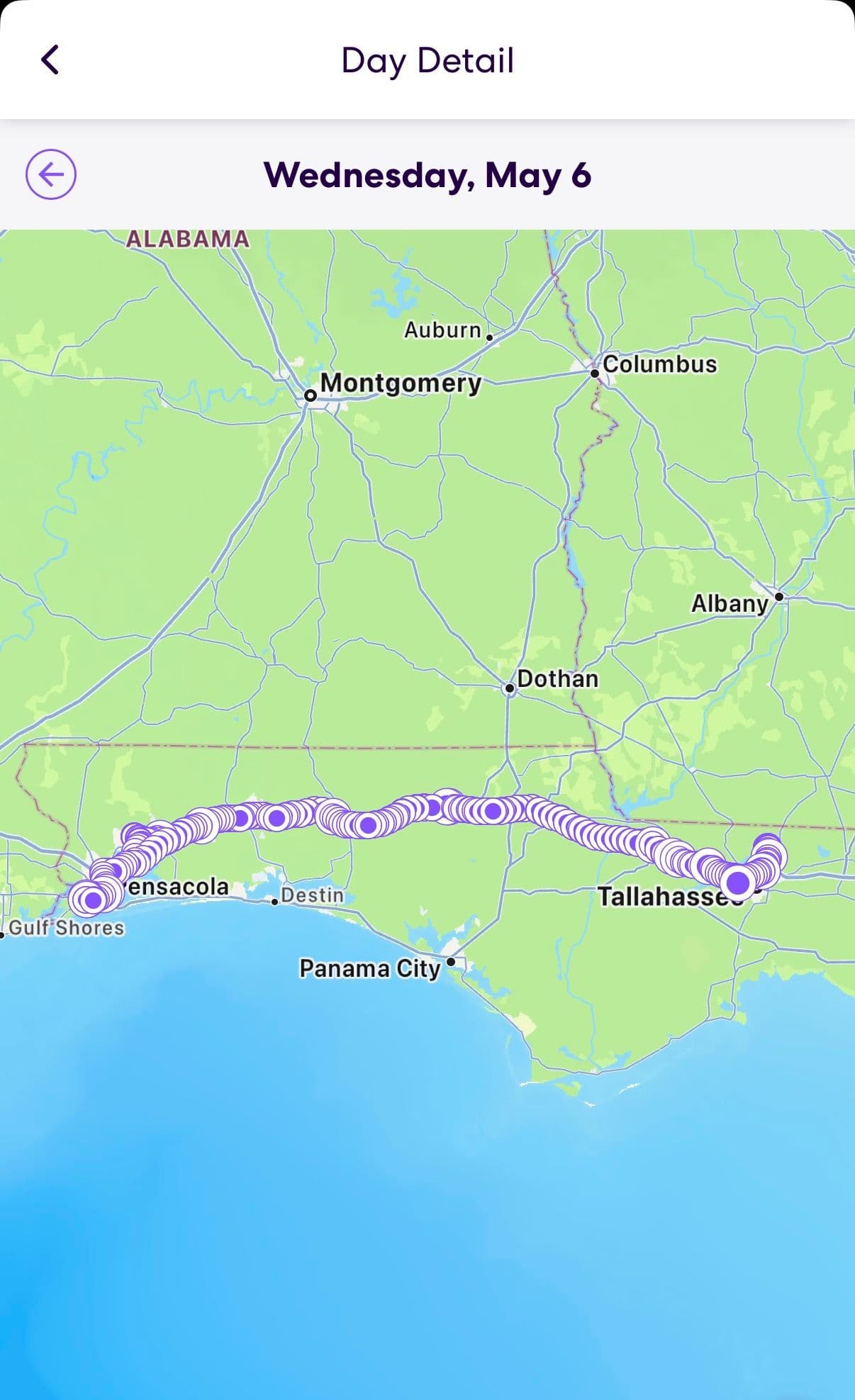
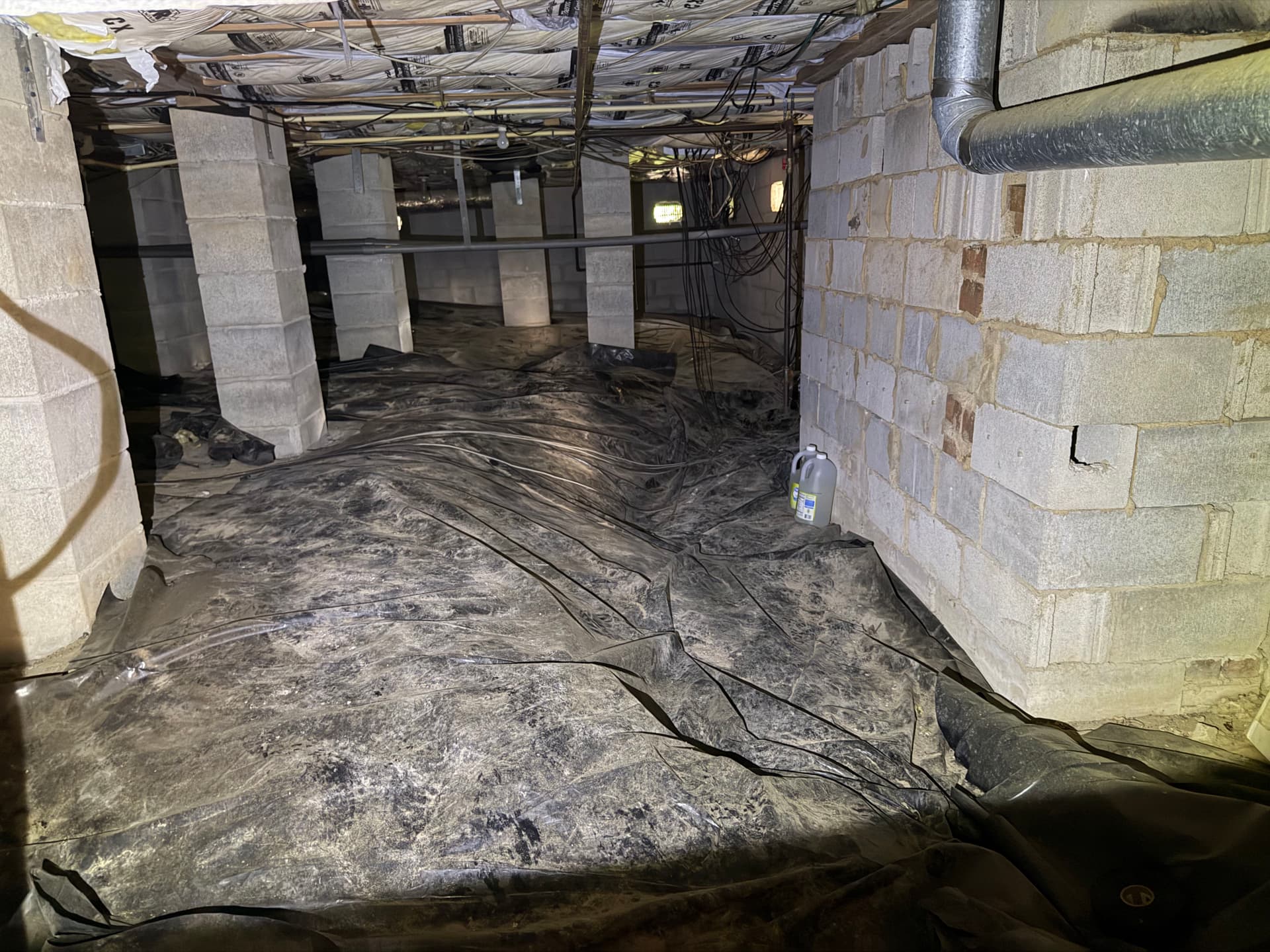
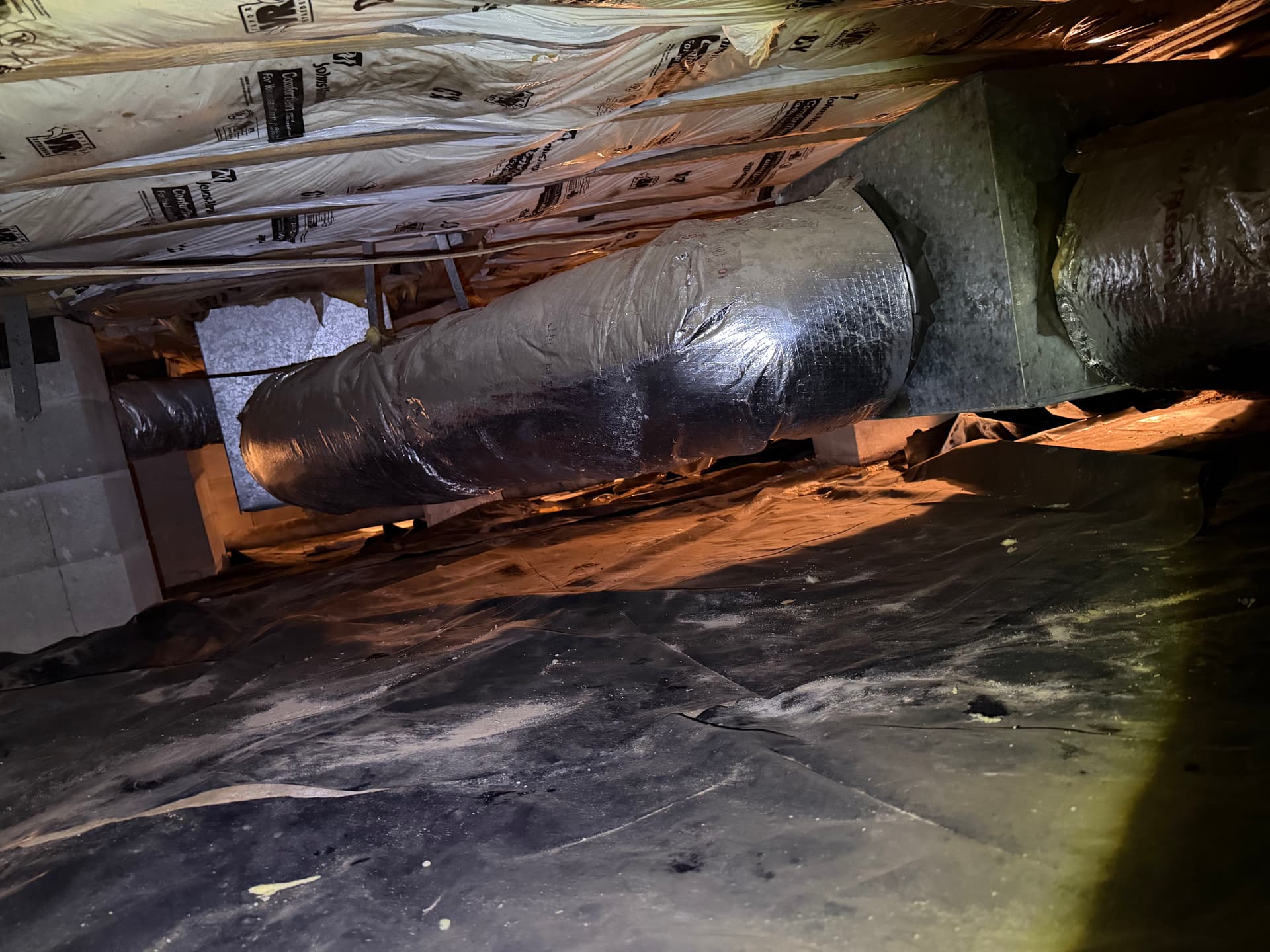
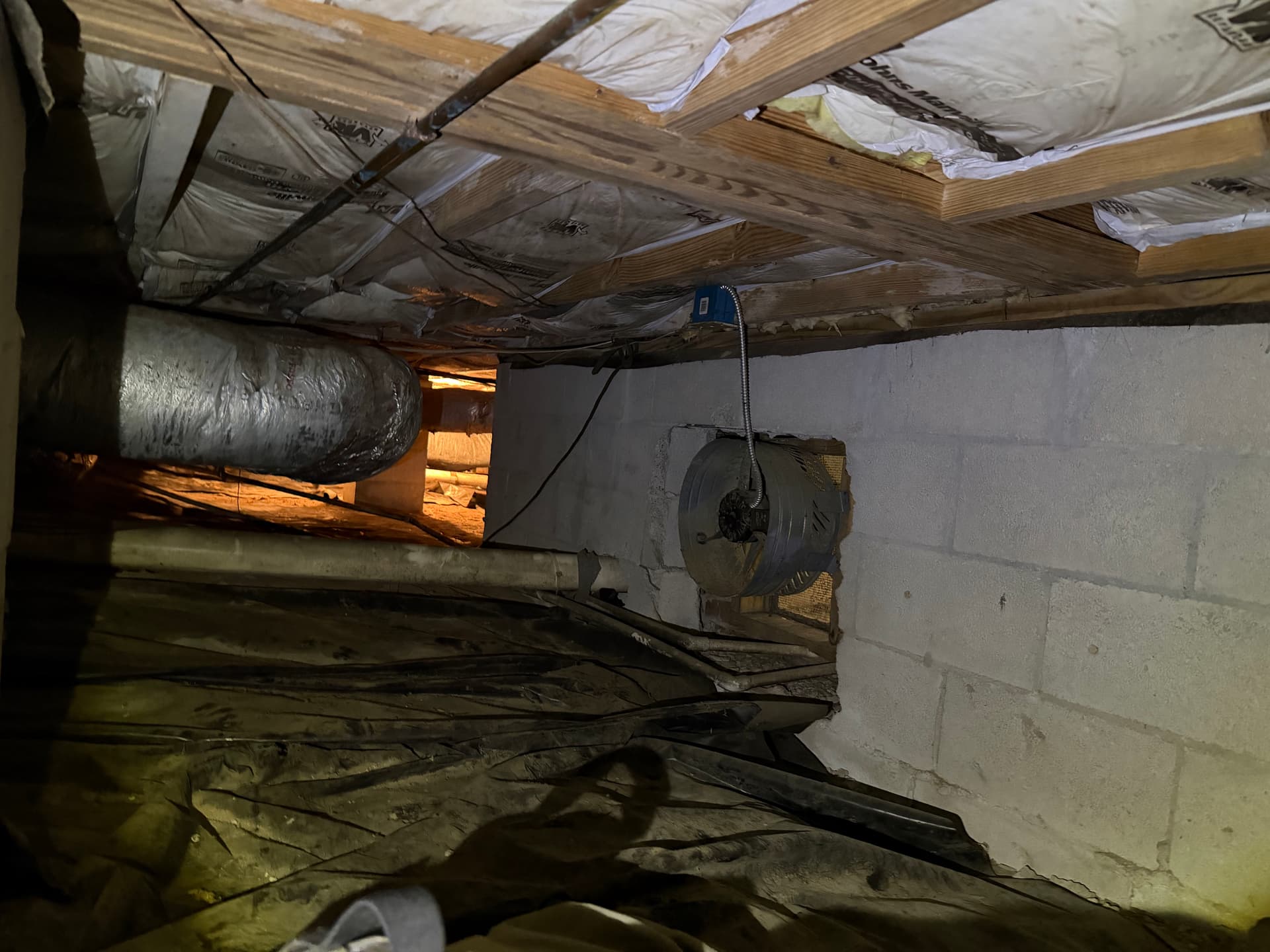
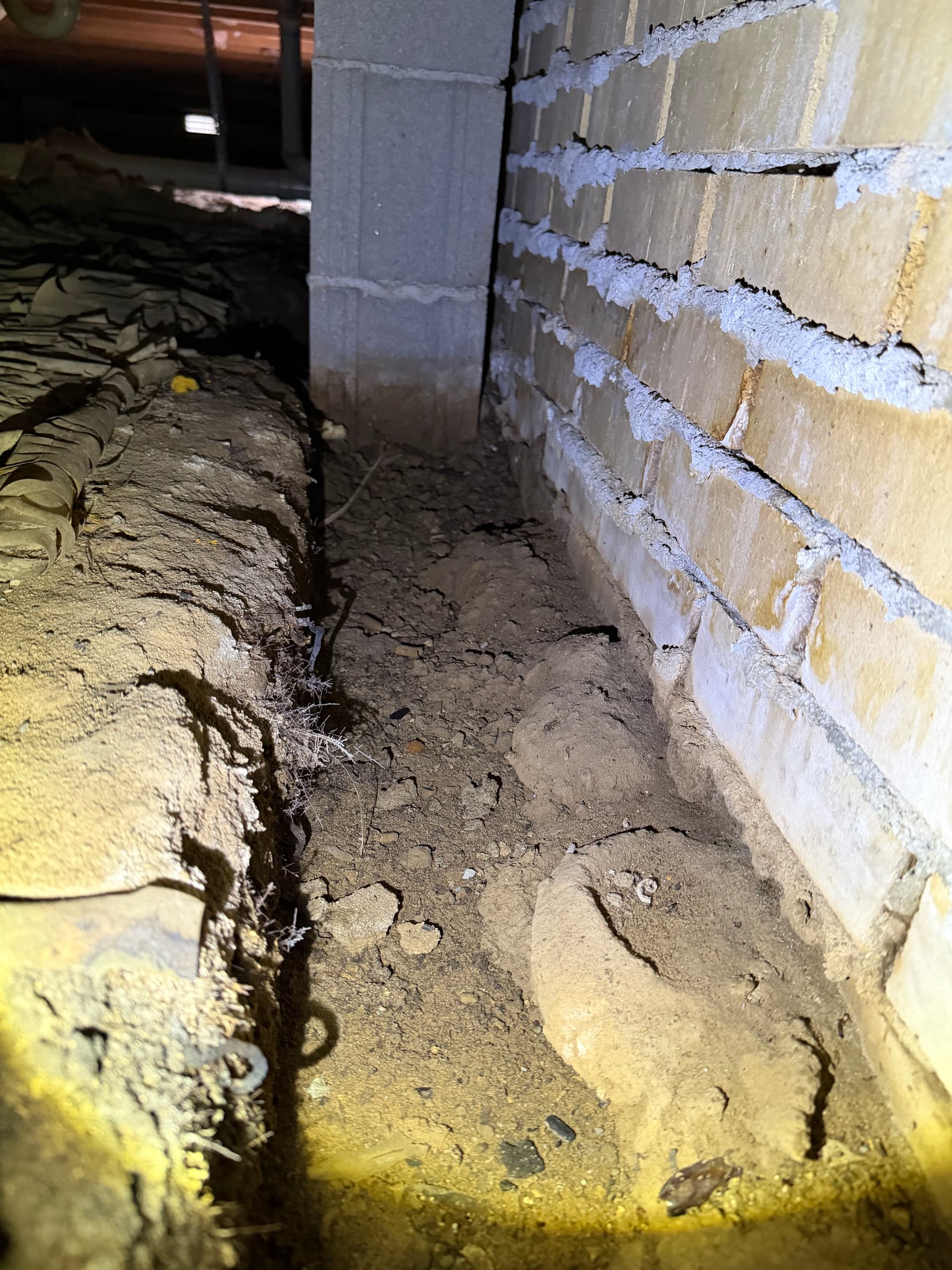
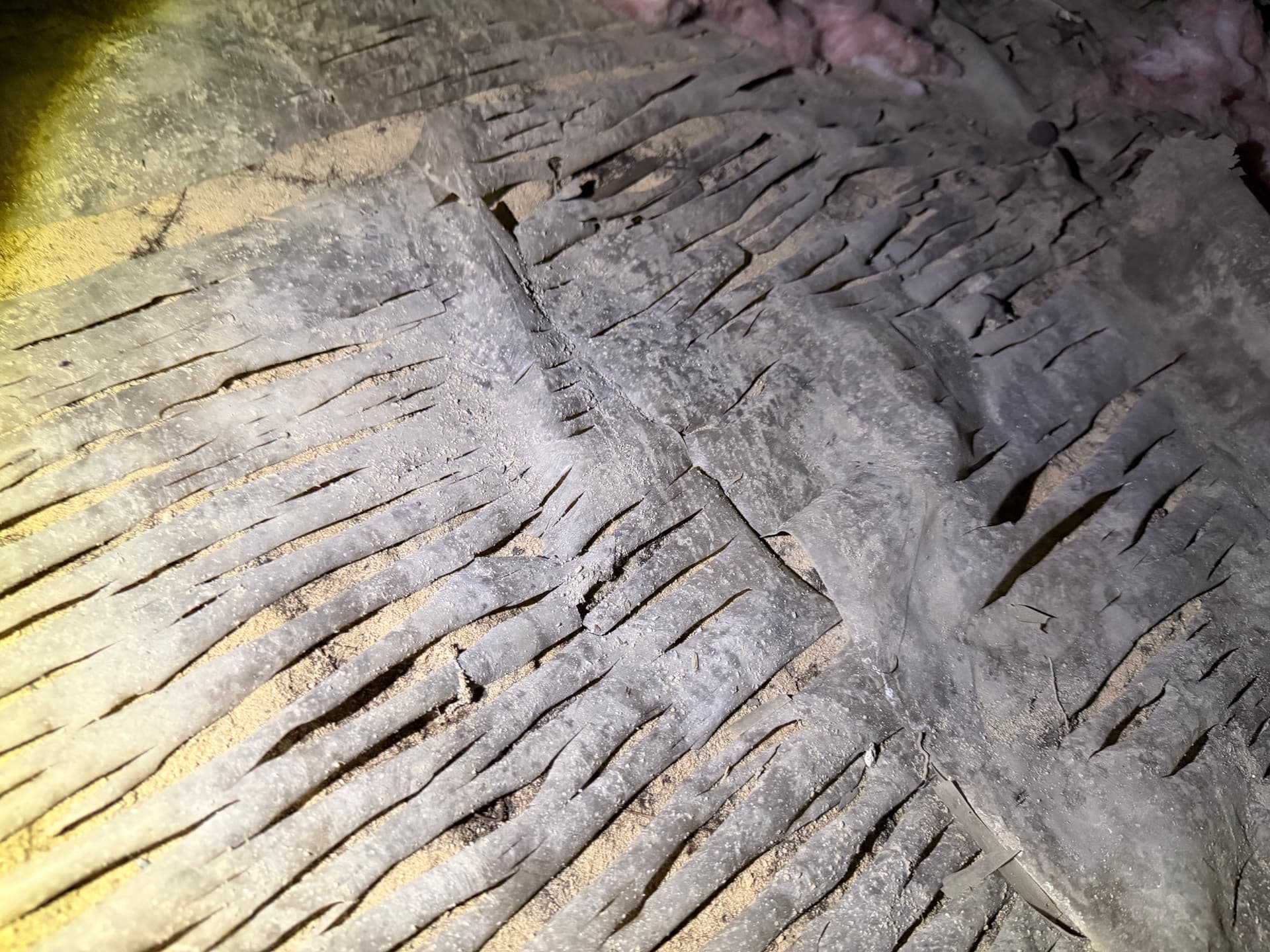
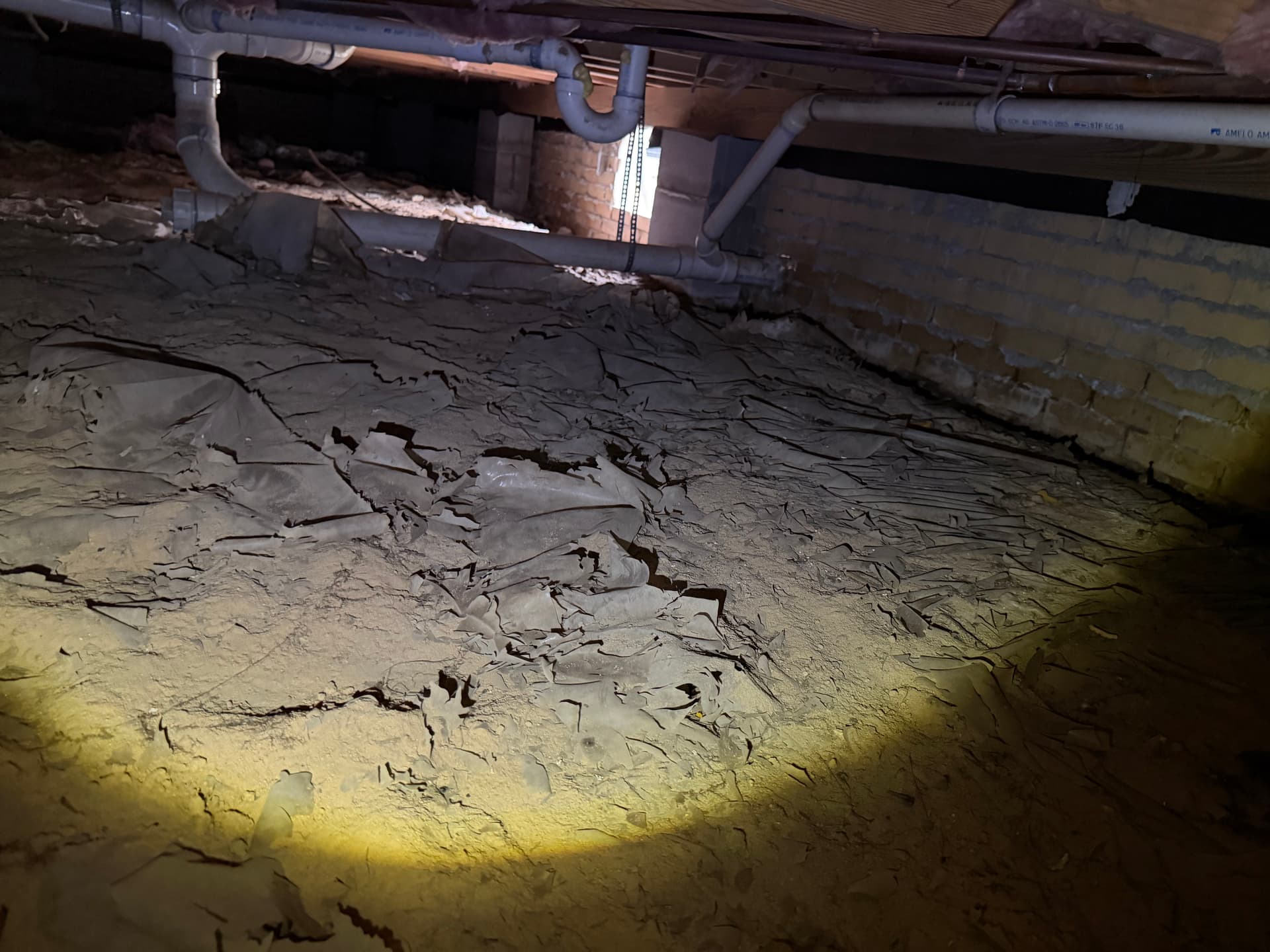
We put in a long day on the road running crawl space assessments across two different homes - one in Tallahassee, one in Milton. Different houses, different owners, but what we found underneath was remarkably similar. That happens more than you'd think out here.
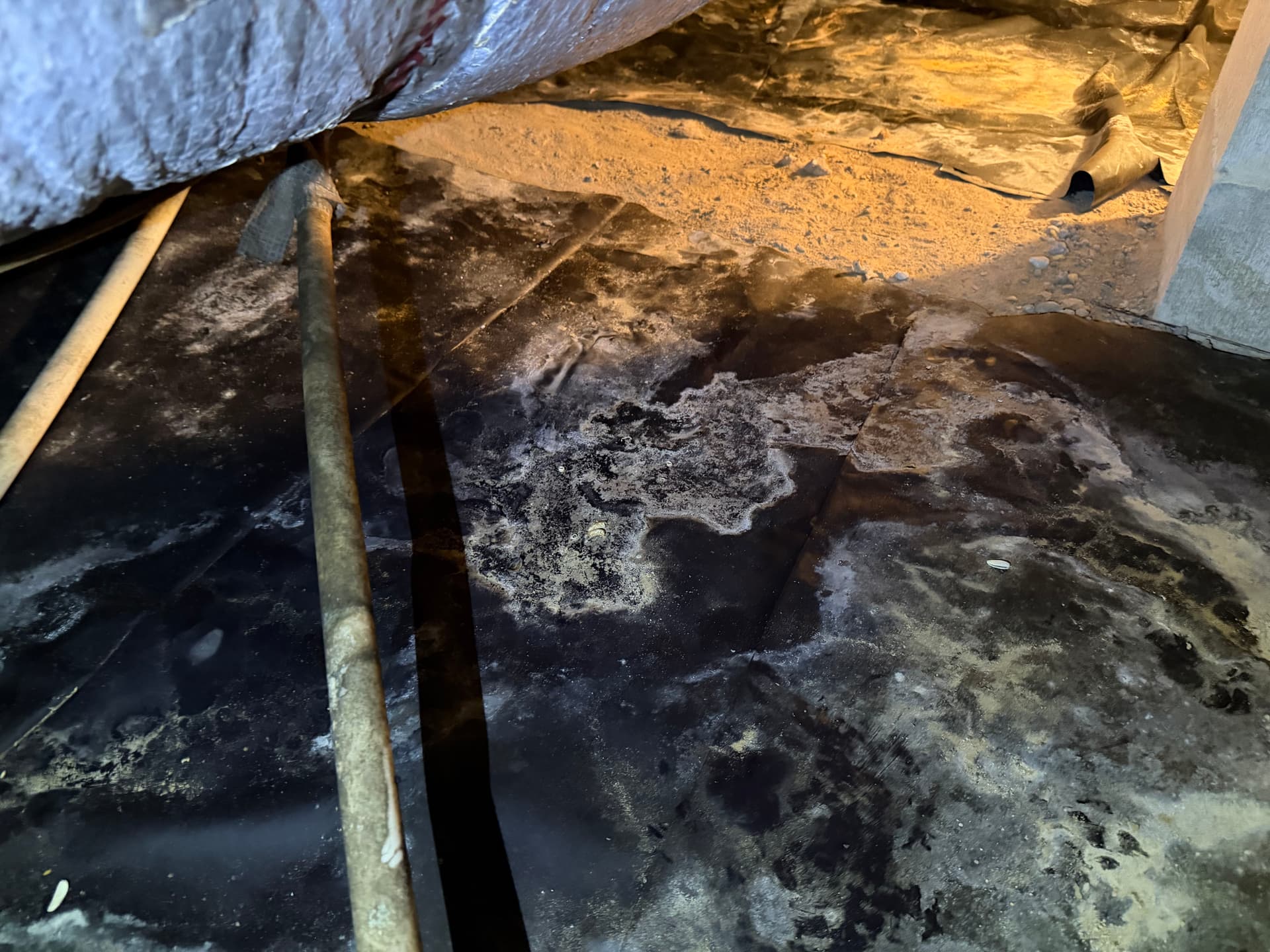
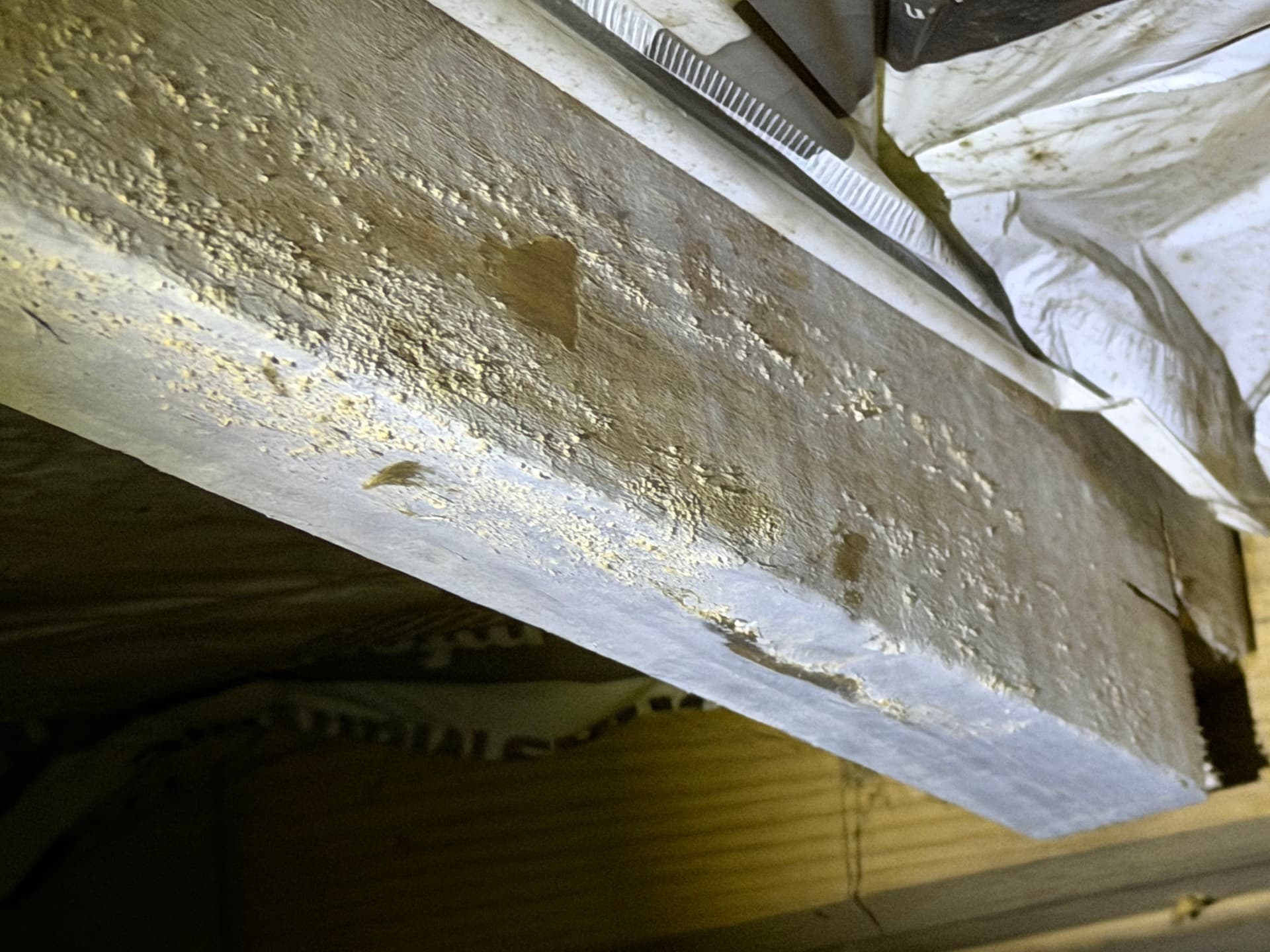
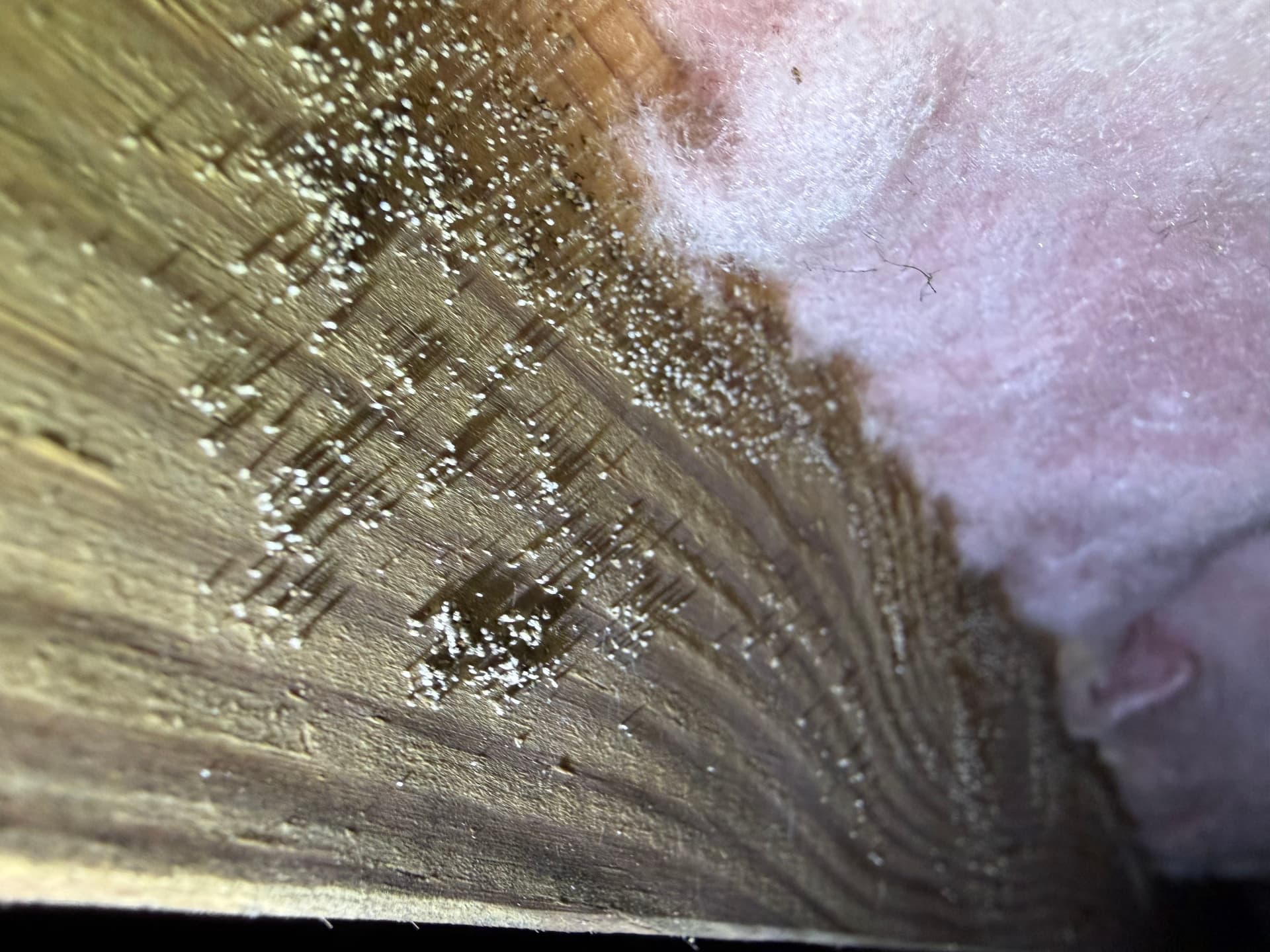
Damaged vapor barriers were a common thread at both stops. When a vapor barrier breaks down - whether it's torn, crumpled, or just deteriorated over time - it stops doing its job. Moisture from the ground has a direct path up into the wood structure above it. That's where things start going sideways. We also spotted early signs of wood trouble at both homes, including fungal growth starting to take hold on framing members. That stuff doesn't stop on its own.
Here's the thing about crawl space problems: they're almost never dramatic at first. No alarms go off. You don't notice anything from inside the house. But down below, moisture is building up, the vapor barrier is failing, and wood that's been sitting in a humid environment long enough starts showing signs of fungal activity. By the time a homeowner feels a soft spot in the floor or notices a musty smell, the problem has usually been going on for a while.
Early detection is the whole point of an assessment like this. Catching moisture issues and early-stage fungus growth before they spread is a completely different situation than dealing with extensive wood damage that needs structural repair. The scope of work - and the cost - is night and day. A failing vapor barrier that gets addressed early is a fraction of what it costs to remediate wood rot that's had a year or two to do its thing.
If something feels off under your house - musty odors, soft flooring, higher-than-normal humidity inside - it's worth having someone get eyes on it. Most people are surprised by what's actually going on down there.